

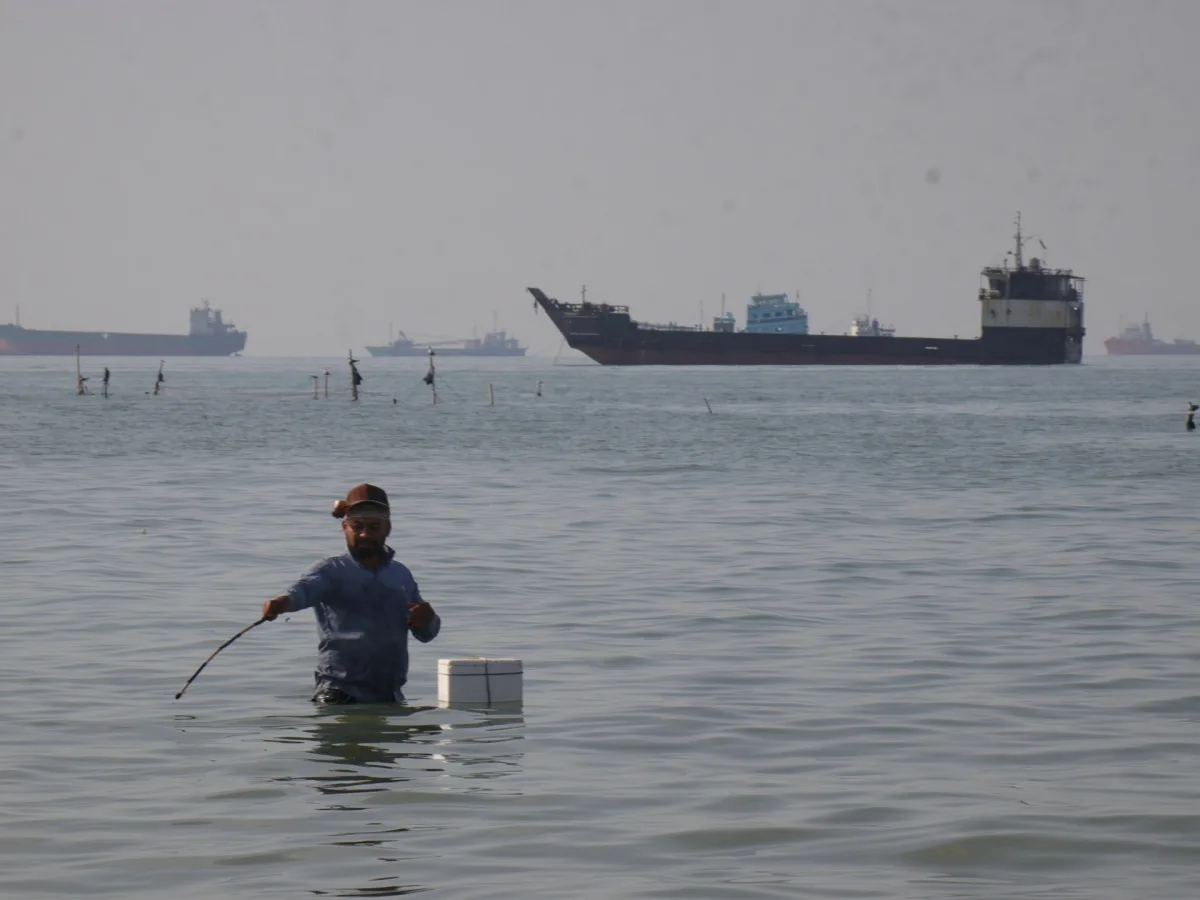
The Strait of Hormuz, a vital waterway connecting the Persian Gulf to the Arabian Sea, has been a flashpoint for tensions between Iran and the US. On Monday, an Iranian commander alleged that the US military attacked two passenger boats in the strait, killing five civilians. The incident has sparked outrage in Iran, with many calling for retaliation against the US. The US has not commented on the incident, but it's likely to escalate tensions between the two nations. The Strait of Hormuz is a critical route for oil tankers, and any disruption to shipping in the area could have significant economic implications.
The Iranian commander, who was not named, said the US military had mistaken the passenger boats for vessels belonging to the Islamic Revolutionary Guard Corps (IRGC), a powerful military organization in Iran. The IRGC has been involved in several confrontations with the US military in the region, and it's possible that the US may have been trying to target IRGC vessels. However, the Iranian commander insisted that the boats were civilian vessels, and that the US had made a grave mistake. The incident is likely to be investigated by both nations, and it's possible that the US may face international criticism for its actions.
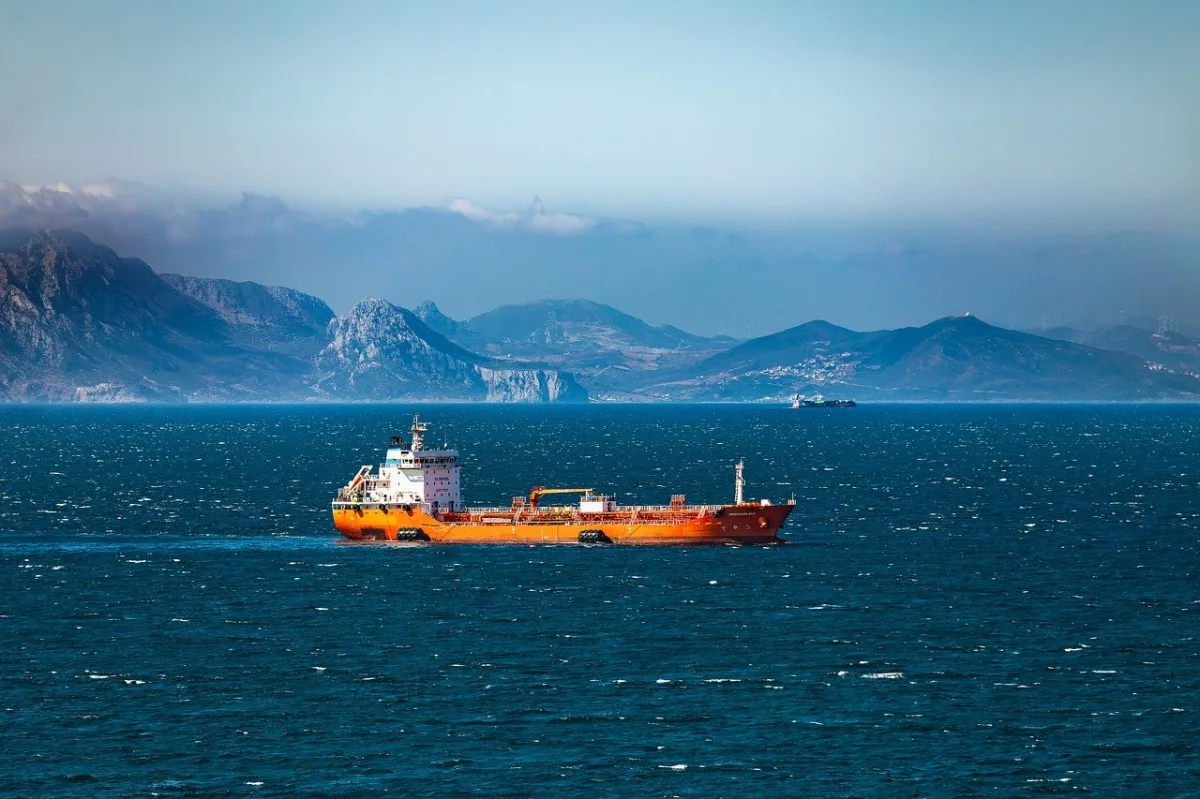
The US and Iran have a long and complex history, with tensions between the two nations dating back to the 1979 Iranian Revolution. The US has imposed several rounds of sanctions on Iran, citing concerns over its nuclear program and human rights record. Iran, on the other hand, has accused the US of trying to destabilize its government and undermine its economy. The two nations have also clashed over issues such as terrorism and regional security, with the US accusing Iran of supporting militant groups in the Middle East. The latest incident in the Strait of Hormuz is likely to further exacerbate tensions between the two nations.
The Strait of Hormuz is a narrow waterway, just 21 miles wide at its narrowest point, and it's a critical route for oil tankers and other ships. Any disruption to shipping in the area could have significant economic implications, as it would affect the global supply of oil and other commodities. The US has a significant military presence in the region, with several bases in countries such as Bahrain and the United Arab Emirates. Iran, on the other hand, has a powerful military and a network of allies in the region, including the IRGC and several militant groups. The latest incident in the Strait of Hormuz is a reminder of the volatility of the region and the potential for conflict between the US and Iran.
Key Facts
- The incident occurred on Monday in the Strait of Hormuz
- Five civilians were killed in the attack
- The US military allegedly attacked two passenger boats
- The Iranian commander said the US had mistaken the boats for IRGC vessels
- The Strait of Hormuz is a critical route for oil tankers and other ships
- The US and Iran have a long and complex history of tensions
- The US has imposed several rounds of sanctions on Iran
- Iran has accused the US of trying to destabilize its government and undermine its economy
Background to the Incident
The US and Iran have been at odds for decades, with tensions between the two nations dating back to the 1979 Iranian Revolution. The US has imposed several rounds of sanctions on Iran, citing concerns over its nuclear program and human rights record. Iran, on the other hand, has accused the US of trying to destabilize its government and undermine its economy. The two nations have also clashed over issues such as terrorism and regional security, with the US accusing Iran of supporting militant groups in the Middle East. The latest incident in the Strait of Hormuz is a reminder of the volatility of the region and the potential for conflict between the US and Iran.
The US has a significant military presence in the region, with several bases in countries such as Bahrain and the United Arab Emirates. Iran, on the other hand, has a powerful military and a network of allies in the region, including the IRGC and several militant groups. The IRGC is a powerful military organization in Iran, and it has been involved in several confrontations with the US military in the region. The IRGC has also been accused of supporting militant groups in the Middle East, which has further exacerbated tensions between the US and Iran.
The Strait of Hormuz is a critical route for oil tankers and other ships, and any disruption to shipping in the area could have significant economic implications. The US has a significant interest in maintaining the free flow of oil through the strait, and it has a number of military assets in the region to protect its interests. Iran, on the other hand, has threatened to close the strait in response to US sanctions and other forms of pressure. The latest incident in the Strait of Hormuz is a reminder of the potential for conflict between the US and Iran, and the need for both nations to exercise restraint and diplomacy.
The US Military Presence in the Region
The US has a significant military presence in the region, with several bases in countries such as Bahrain and the United Arab Emirates. The US military has a number of assets in the region, including warships, fighter jets, and special operations forces. The US has also deployed several thousand troops to the region, including in countries such as Iraq and Afghanistan. The US military presence in the region is a reminder of the country's commitment to maintaining stability and security in the area.
The US military has been involved in several confrontations with Iranian forces in the region, including in the Strait of Hormuz. The US has also accused Iran of supporting militant groups in the Middle East, which has further exacerbated tensions between the two nations. The US has a number of military assets in the region that it can use to respond to Iranian aggression, including warships and fighter jets. The US has also developed a number of strategies for dealing with Iranian forces, including the use of special operations forces and cyber warfare.
The US military presence in the region is not without controversy, however. Many countries in the region are wary of the US military presence, and some have accused the US of trying to exert too much influence over the area. The US has also faced criticism for its use of military force in the region, including in countries such as Iraq and Afghanistan. The US has a number of challenges to navigate in the region, including the need to balance its own interests with those of its allies and partners.
The Iranian Perspective
The Iranian government has accused the US of trying to destabilize its government and undermine its economy. Iran has faced significant economic challenges in recent years, including a sharp decline in oil prices and a series of US sanctions. The Iranian government has responded to these challenges by increasing its military spending and developing its nuclear program. The Iranian government has also accused the US of supporting militant groups in the Middle East, which has further exacerbated tensions between the two nations.
The Iranian government has a number of allies in the region, including the IRGC and several militant groups. The IRGC is a powerful military organization in Iran, and it has been involved in several confrontations with the US military in the region. The IRGC has also been accused of supporting militant groups in the Middle East, which has further exacerbated tensions between the US and Iran. The Iranian government has also developed a number of strategies for dealing with the US, including the use of cyber warfare and proxy forces.
The US is trying to destabilize our government and undermine our economy, but we will not be intimidated. We will continue to develop our military and our nuclear program, and we will not be deterred by US sanctions or other forms of pressure. We are a proud and independent nation, and we will not be bullied by the US or any other country.
The Global Implications
The latest incident in the Strait of Hormuz has significant implications for the global economy. The strait is a critical route for oil tankers and other ships, and any disruption to shipping in the area could have significant economic implications. The US has a significant interest in maintaining the free flow of oil through the strait, and it has a number of military assets in the region to protect its interests. Iran, on the other hand, has threatened to close the strait in response to US sanctions and other forms of pressure.
The global economy is heavily dependent on oil, and any disruption to the supply of oil could have significant implications for the price of gasoline and other commodities. The US is one of the largest consumers of oil in the world, and it has a significant interest in maintaining the free flow of oil through the Strait of Hormuz. The US has also developed a number of strategies for dealing with disruptions to the oil supply, including the use of strategic reserves and alternative sources of energy.
The latest incident in the Strait of Hormuz is a reminder of the volatility of the region and the potential for conflict between the US and Iran. The two nations have a long and complex history of tensions, and it's likely that the latest incident will further exacerbate tensions between them. The global community has a significant interest in maintaining stability and security in the region, and it's likely that the UN and other international organizations will play a role in mediating the conflict.
The Role of the International Community
The international community has a significant interest in maintaining stability and security in the region. The UN and other international organizations have a number of tools at their disposal for mediating conflicts and promoting diplomacy, including sanctions and other forms of pressure. The international community has also developed a number of strategies for dealing with the US and Iran, including the use of diplomatic channels and multilateral organizations.
The EU has been a key player in mediating the conflict between the US and Iran, and it has developed a number of strategies for promoting diplomacy and stability in the region. The EU has also imposed its own sanctions on Iran, but it has been more cautious than the US in its approach to the conflict. The EU has a significant interest in maintaining stability and security in the region, and it's likely that it will continue to play a key role in mediating the conflict.
The international community has a number of challenges to navigate in the region, including the need to balance the interests of the US and Iran with those of other countries in the region. The international community has also faced criticism for its handling of the conflict, including accusations that it has been too slow to respond to Iranian aggression. The international community has a number of opportunities to promote diplomacy and stability in the region, however, and it's likely that it will continue to play a key role in mediating the conflict.
The Future of US-Iran Relations
The latest incident in the Strait of Hormuz is a reminder of the volatility of the region and the potential for conflict between the US and Iran. The two nations have a long and complex history of tensions, and it's likely that the latest incident will further exacerbate tensions between them. The US and Iran have a number of challenges to navigate in the coming months and years, including the need to balance their own interests with those of other countries in the region.
The US has a number of options for dealing with Iran, including the use of military force and diplomacy. The US has also developed a number of strategies for promoting stability and security in the region, including the use of special operations forces and cyber warfare. Iran, on the other hand, has a number of options for dealing with the US, including the use of proxy forces and cyber warfare.
The future of US-Iran relations is uncertain, but it's likely that the two nations will continue to be at odds for the foreseeable future. The US and Iran have a number of differences, including disagreements over issues such as terrorism and regional security. The two nations have also faced criticism for their handling of the conflict, including accusations that they have been too slow to respond to each other's aggression. The US and Iran have a number of opportunities to promote diplomacy and stability in the region, however, and it's likely that they will continue to play a key role in shaping the future of the Middle East.