

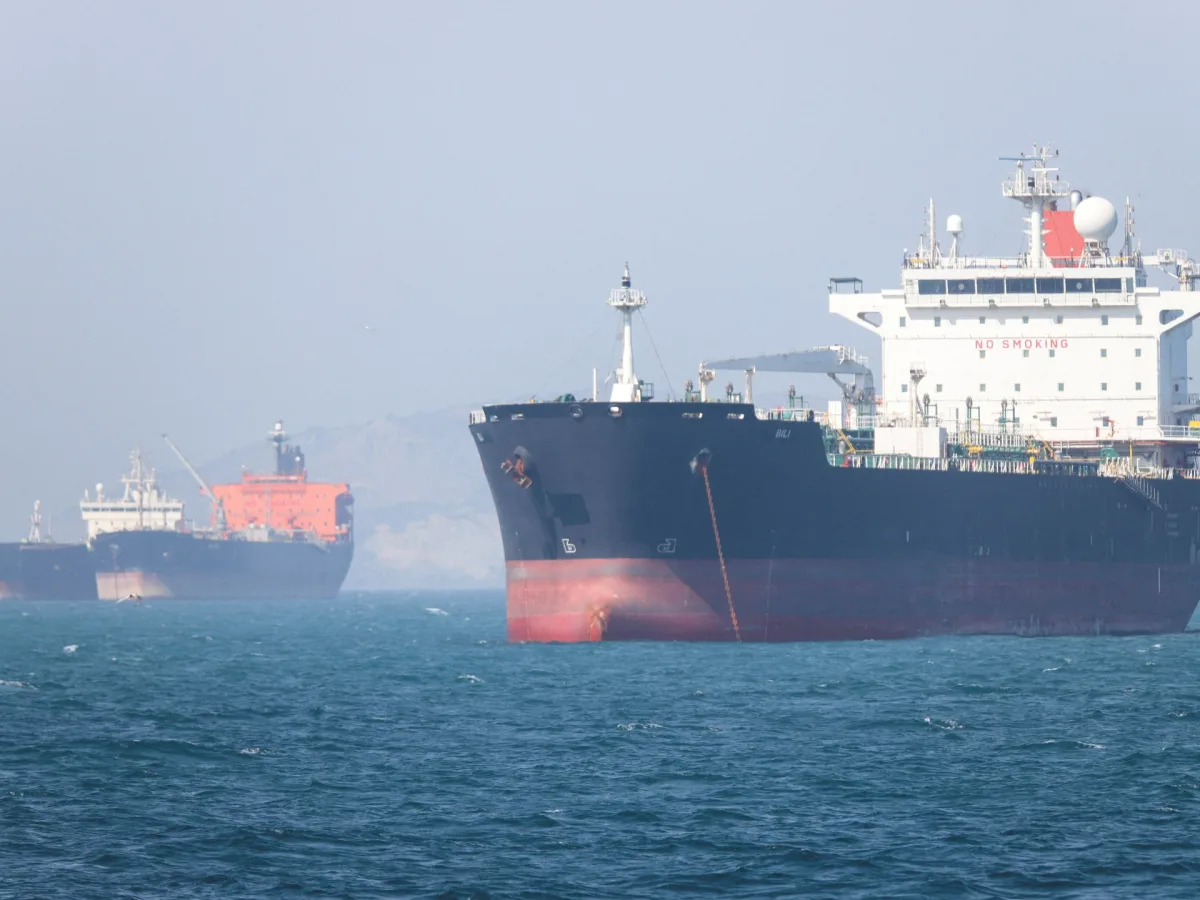
The Hormuz Strait, a narrow waterway connecting the Persian Gulf to the Gulf of Oman, has become a flashpoint in the escalating tensions between the US and Iran. The US military says it is encouraging ships to pass through the strait, but Iran claims it is in full control of the waterway. This situation is a recipe for disaster, as any miscalculation could lead to a conflict that would have far-reaching consequences. The Hormuz Strait is a critical oil shipping route, with nearly 20% of the world's oil passing through it every day. Any disruption to the flow of oil through the strait could have significant global economic implications.
The current tensions between the US and Iran are the result of a long-standing dispute over Iran's nuclear program. The US withdrew from the Iran nuclear deal in 2018, and since then, the two countries have been engaged in a war of words, with each side blaming the other for the tensions. The situation escalated in recent weeks, with the US deploying additional troops to the region and Iran threatening to retaliate if its interests are threatened. The US has also imposed sanctions on Iran, which have had a devastating impact on the country's economy. Iran's economy is heavily reliant on oil exports, and the sanctions have made it difficult for the country to sell its oil.
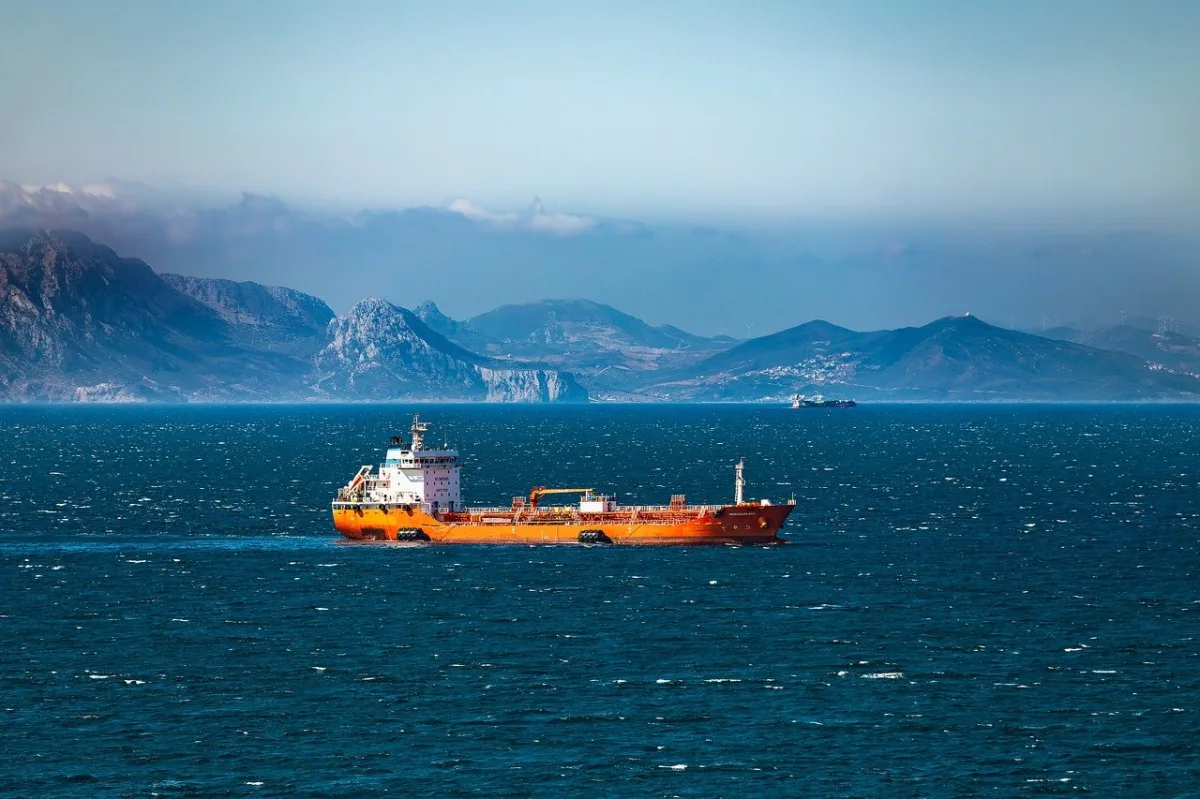
The US and Iran have a long and complex history, with the two countries having been at odds for decades. The US supported the Shah of Iran, who was overthrown in the 1979 revolution, and since then, the two countries have had limited diplomatic relations. The US has imposed sanctions on Iran, which have had a significant impact on the country's economy. Iran, on the other hand, has been accused of supporting terrorist groups and developing its nuclear program. The current tensions between the two countries are just the latest chapter in a long and complex history.
The situation in the Hormuz Strait is not just about the US and Iran; it also involves other countries in the region. The United Arab Emirates, Saudi Arabia, and other Gulf states are all concerned about the situation and are working to find a way to reduce the tensions. The European Union has also been involved, with several countries calling for a diplomatic solution to the crisis. The situation is complex, with multiple countries and interests involved, and it will require a careful and nuanced approach to resolve.
Key Facts
- The Hormuz Strait is a narrow waterway connecting the Persian Gulf to the Gulf of Oman.
- Nearly 20% of the world's oil passes through the strait every day.
- The US military is encouraging ships to pass through the strait.
- Iran claims it is in full control of the waterway.
- The US and Iran have been engaged in a war of words, with each side blaming the other for the tensions.
- The US withdrew from the Iran nuclear deal in 2018.
- The US has imposed sanctions on Iran, which have had a devastating impact on the country's economy.
- Iran's economy is heavily reliant on oil exports.
- The situation in the Hormuz Strait involves multiple countries, including the United Arab Emirates, Saudi Arabia, and other Gulf states.
History of US-Iran Relations
The US and Iran have a long and complex history, with the two countries having been at odds for decades. The US supported the Shah of Iran, who was overthrown in the 1979 revolution, and since then, the two countries have had limited diplomatic relations. The US has imposed sanctions on Iran, which have had a significant impact on the country's economy. Iran, on the other hand, has been accused of supporting terrorist groups and developing its nuclear program. The current tensions between the two countries are just the latest chapter in a long and complex history.
The US and Iran have had several major conflicts over the years, including the 1979 hostage crisis, in which a group of Iranian students stormed the US embassy in Tehran and held American diplomats hostage for 444 days. The US has also been involved in several military interventions in the region, including the 2003 invasion of Iraq, which had a significant impact on the balance of power in the region. Iran has been accused of supporting terrorist groups, including Hezbollah and Hamas, and has been involved in several proxy wars in the region.
The US and Iran have also had several periods of relative calm, including the 1990s, when the two countries had a series of diplomatic talks. However, the relationship between the two countries has always been complex and tense, with each side having significant differences and competing interests. The current tensions between the two countries are just the latest chapter in a long and complex history.
Economic Implications
The situation in the Hormuz Strait has significant economic implications, not just for the US and Iran, but for the entire world. The strait is a critical oil shipping route, with nearly 20% of the world's oil passing through it every day. Any disruption to the flow of oil through the strait could have significant global economic implications, including higher oil prices and reduced economic growth. The US and other countries are working to find alternative oil supplies, but it will be difficult to replace the oil that passes through the Hormuz Strait.
The economic implications of the situation in the Hormuz Strait are not just limited to oil prices. The situation could also have a significant impact on global trade, as the strait is an important shipping route for goods. The US and other countries are working to find alternative shipping routes, but it will be difficult to replace the Hormuz Strait. The situation could also have a significant impact on the global economy, as it could lead to higher prices and reduced economic growth.
The US and other countries are working to reduce the economic implications of the situation in the Hormuz Strait. The US has been working to increase oil production, and other countries are working to find alternative oil supplies. The US and other countries are also working to find alternative shipping routes, and to reduce the impact of the situation on global trade. However, it will be difficult to completely eliminate the economic implications of the situation, and it will require a careful and nuanced approach to resolve.
Regional Implications
The situation in the Hormuz Strait has significant regional implications, not just for the US and Iran, but for other countries in the region. The United Arab Emirates, Saudi Arabia, and other Gulf states are all concerned about the situation and are working to find a way to reduce the tensions. The European Union has also been involved, with several countries calling for a diplomatic solution to the crisis. The situation is complex, with multiple countries and interests involved, and it will require a careful and nuanced approach to resolve.
The regional implications of the situation in the Hormuz Strait are not just limited to the countries in the region. The situation could also have a significant impact on the balance of power in the region, as it could lead to a shift in the balance of power between the US and Iran. The US has been working to increase its military presence in the region, and Iran has been working to increase its influence in the region. The situation could also have a significant impact on the stability of the region, as it could lead to increased tensions and conflict.
The US and other countries are working to reduce the regional implications of the situation in the Hormuz Strait. The US has been working to increase its diplomatic efforts in the region, and other countries are working to find a way to reduce the tensions. The US and other countries are also working to find a way to resolve the crisis, and to reduce the impact of the situation on the region. However, it will be difficult to completely eliminate the regional implications of the situation, and it will require a careful and nuanced approach to resolve.
Diplomatic Efforts
The US and other countries are working to find a diplomatic solution to the crisis in the Hormuz Strait. The US has been working to increase its diplomatic efforts in the region, and other countries are working to find a way to reduce the tensions. The European Union has also been involved, with several countries calling for a diplomatic solution to the crisis. The situation is complex, with multiple countries and interests involved, and it will require a careful and nuanced approach to resolve.
The diplomatic efforts to resolve the crisis in the Hormuz Strait are not just limited to the US and Iran. The United Arab Emirates, Saudi Arabia, and other Gulf states are all involved, and are working to find a way to reduce the tensions. The European Union has also been involved, with several countries calling for a diplomatic solution to the crisis. The diplomatic efforts are complex, with multiple countries and interests involved, and it will require a careful and nuanced approach to resolve.
The situation in the Hormuz Strait is a complex and challenging one, and it will require a careful and nuanced approach to resolve. The US and Iran have a long and complex history, and the situation is not just about the two countries, but about the entire region. The diplomatic efforts to resolve the crisis will require a deep understanding of the complex history and interests of the region, and a careful and nuanced approach to resolve.
Military Implications
The situation in the Hormuz Strait has significant military implications, not just for the US and Iran, but for other countries in the region. The US has been working to increase its military presence in the region, and Iran has been working to increase its military capabilities. The situation could lead to a military conflict, which would have significant implications for the region and the world.
The military implications of the situation in the Hormuz Strait are not just limited to the US and Iran. The United Arab Emirates, Saudi Arabia, and other Gulf states are all concerned about the situation and are working to find a way to reduce the tensions. The European Union has also been involved, with several countries calling for a diplomatic solution to the crisis. The military implications are complex, with multiple countries and interests involved, and it will require a careful and nuanced approach to resolve.
The US and other countries are working to reduce the military implications of the situation in the Hormuz Strait. The US has been working to increase its diplomatic efforts in the region, and other countries are working to find a way to reduce the tensions. The US and other countries are also working to find a way to resolve the crisis, and to reduce the impact of the situation on the region. However, it will be difficult to completely eliminate the military implications of the situation, and it will require a careful and nuanced approach to resolve.
Future Prospects
The future prospects for the situation in the Hormuz Strait are uncertain, as the situation is complex and involves multiple countries and interests. The US and Iran have a long and complex history, and the situation is not just about the two countries, but about the entire region. The diplomatic efforts to resolve the crisis will require a deep understanding of the complex history and interests of the region, and a careful and nuanced approach to resolve.
The future prospects for the situation in the Hormuz Strait will depend on the actions of the US and Iran, as well as other countries in the region. The US has been working to increase its diplomatic efforts in the region, and other countries are working to find a way to reduce the tensions. The US and other countries are also working to find a way to resolve the crisis, and to reduce the impact of the situation on the region. However, it will be difficult to completely eliminate the tensions, and it will require a careful and nuanced approach to resolve.
The situation in the Hormuz Strait is a complex and challenging one, and it will require a careful and nuanced approach to resolve. The US and Iran have a long and complex history, and the situation is not just about the two countries, but about the entire region. The diplomatic efforts to resolve the crisis will require a deep understanding of the complex history and interests of the region, and a careful and nuanced approach to resolve. The future prospects for the situation in the Hormuz Strait are uncertain, but one thing is clear: the situation will require a careful and nuanced approach to resolve.