

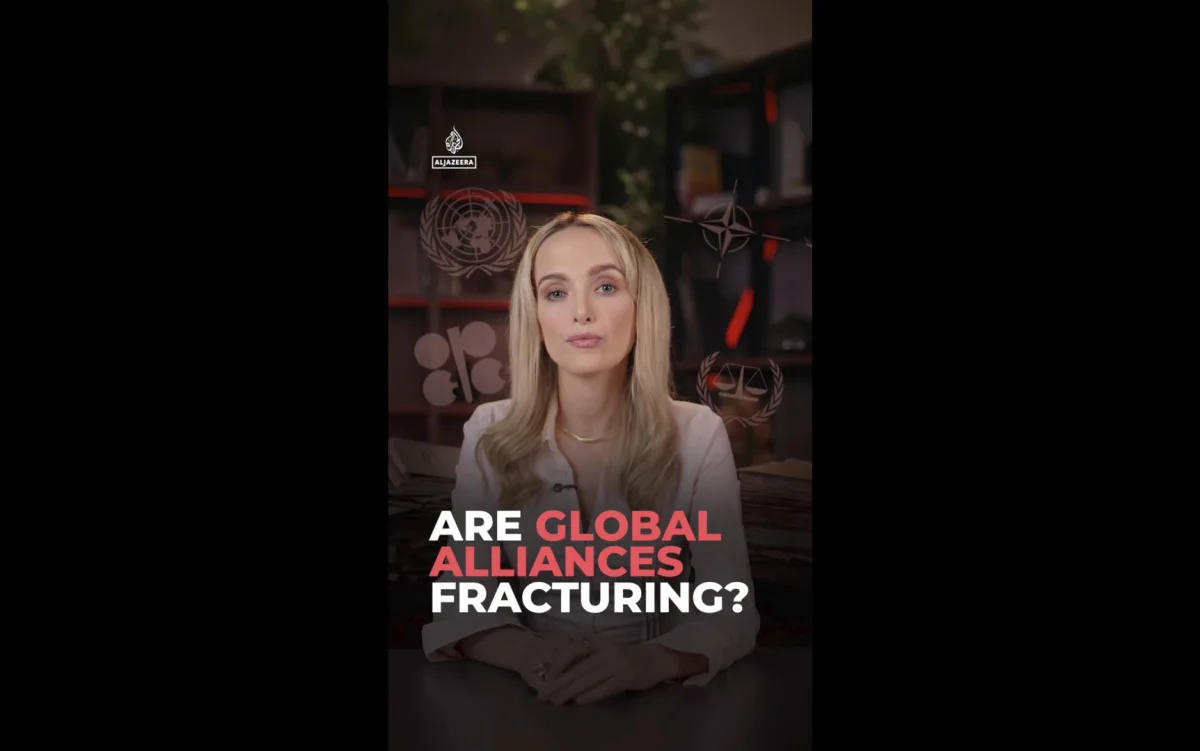
NATO, the North Atlantic Treaty Organization, has been a cornerstone of global alliances since its formation in 1949. However, recent events have put a strain on the alliance, with some members questioning its relevance in today's world. The organization's purpose is to provide a collective defense against potential security threats, but with the rise of new global powers and shifting international relations, some are wondering if it's still effective. NATO's membership includes many European countries, as well as the United States and Canada, and its decisions have a significant impact on global security. The current tensions within NATO are largely due to differences in opinion on how to handle emerging security threats, such as terrorism and cyber attacks.
And yet, NATO isn't the only global alliance facing challenges. OPEC, the Organization of the Petroleum Exporting Countries, is also experiencing internal conflicts. OPEC's primary goal is to coordinate the production and sale of oil among its member countries, which include many major oil-producing nations. However, with the rise of alternative energy sources and shifting global demand, some members are questioning the organization's relevance. OPEC's decisions have a significant impact on the global economy, and any changes to the organization could have far-reaching consequences.
The current tensions within OPEC are largely due to disagreements over production levels and pricing strategies.
But what's behind these fractures in global alliances? One major factor is the rise of new global powers, such as China and India. These countries are increasingly asserting their influence on the world stage, which is challenging the existing balance of power. Additionally, the shift towards more nationalist policies in some countries is leading to a decrease in international cooperation. This shift is driven in part by a desire to protect domestic interests and industries, but it's also leading to increased tensions between nations.
As global alliances continue to evolve, it's unclear what the future holds for international relations.
So, what does this mean for global stability? The fracturing of global alliances has significant implications for international relations and global security. Without strong alliances, countries may be more likely to pursue their own interests, which could lead to increased conflict. Additionally, the lack of cooperation on global issues, such as climate change and pandemics, could have devastating consequences. It's essential for countries to work together to address these challenges, but the current state of global alliances makes it unclear if this will be possible.
Key Facts
- NATO was formed in 1949
- OPEC was formed in 1960
- The rise of new global powers, such as China and India, is challenging the existing balance of power
- The shift towards more nationalist policies in some countries is leading to a decrease in international cooperation
- Global alliances have a significant impact on international relations and global stability
- The fracturing of global alliances has significant implications for global security
- Climate change and pandemics are major global challenges that require international cooperation
History of Global Alliances
Global alliances have been a cornerstone of international relations for decades. NATO, for example, was formed in response to the Soviet Union's rise to power after World War II. The alliance provided a collective defense against the Soviet threat, and its membership included many European countries, as well as the United States and Canada. Over the years, NATO has played a significant role in maintaining global security, and its decisions have had far-reaching consequences. However, with the end of the Cold War, some began to question the alliance's relevance in the modern world.
And yet, NATO has continued to evolve, expanding its membership to include many Eastern European countries. This expansion has been driven in part by a desire to promote stability and security in the region, but it's also been met with resistance from some countries, such as Russia. The current tensions within NATO are largely due to differences in opinion on how to handle emerging security threats, such as terrorism and cyber attacks. Despite these challenges, NATO remains a vital component of global alliances, and its continued relevance is essential for maintaining international stability.
But what about OPEC? The organization was formed in 1960, with the primary goal of coordinating the production and sale of oil among its member countries. Over the years, OPEC has played a significant role in shaping the global energy market, and its decisions have had far-reaching consequences. However, with the rise of alternative energy sources and shifting global demand, some members are questioning the organization's relevance. OPEC's current tensions are largely due to disagreements over production levels and pricing strategies, which has led to a decrease in international cooperation.
Impact on Global Security
The fracturing of global alliances has significant implications for global security. Without strong alliances, countries may be more likely to pursue their own interests, which could lead to increased conflict. Additionally, the lack of cooperation on global issues, such as terrorism and cyber attacks, could have devastating consequences. It's essential for countries to work together to address these challenges, but the current state of global alliances makes it unclear if this will be possible. The rise of new global powers, such as China and India, is also challenging the existing balance of power, which could lead to increased tensions between nations.
And yet, there are still many reasons to be optimistic about the future of global alliances. Despite the current challenges, many countries are still committed to working together to address global challenges. The United Nations, for example, provides a platform for countries to come together and address pressing issues, such as climate change and pandemics. Additionally, many countries are still dedicated to maintaining strong alliances, such as NATO, which remains a vital component of global security.
But what does the future hold for global alliances? It's unclear, but one thing is certain - the current state of global alliances is fragile. As countries continue to pursue their own interests, it's essential for them to remember the importance of international cooperation. Without it, the consequences could be devastating. As Jens Stoltenberg, the Secretary-General of NATO, has said:
The security of our nations is not just about military strength, it's about our ability to work together to address the challenges we face.
The Rise of New Global Powers
The rise of new global powers, such as China and India, is challenging the existing balance of power. These countries are increasingly asserting their influence on the world stage, which is leading to a shift in the global landscape. China, for example, has become a major player in international trade, and its economic influence is being felt around the world. India, on the other hand, has become a major player in the tech industry, and its companies are competing with some of the world's largest corporations.
And yet, the rise of these new global powers is not without its challenges. Many countries are concerned about the impact of China's growing influence, and some are worried about the potential for conflict. The current tensions between the United States and China, for example, are largely due to disagreements over trade and security issues. Despite these challenges, the rise of new global powers is also creating new opportunities for international cooperation. As countries continue to work together to address global challenges, it's essential for them to recognize the importance of inclusivity and diversity.
But what does this mean for global alliances? The rise of new global powers is challenging the existing balance of power, which could lead to a shift in the global landscape. As countries continue to pursue their own interests, it's essential for them to remember the importance of international cooperation. Without it, the consequences could be devastating. The fracturing of global alliances is a significant challenge, but it's also an opportunity for countries to come together and create a more inclusive and diverse global community.
The Shift Towards Nationalism
The shift towards more nationalist policies in some countries is leading to a decrease in international cooperation. This shift is driven in part by a desire to protect domestic interests and industries, but it's also leading to increased tensions between nations. Many countries are prioritizing their own interests over international cooperation, which is challenging the existing global order. The current tensions between the United States and Europe, for example, are largely due to disagreements over trade and security issues.
And yet, the shift towards nationalism is not without its challenges. Many countries are concerned about the impact of nationalist policies on global trade and security. The rise of protectionism, for example, is leading to a decrease in international trade, which could have devastating consequences for the global economy. Despite these challenges, many countries are still committed to maintaining strong alliances and promoting international cooperation.
But what does this mean for global alliances? The shift towards nationalism is challenging the existing global order, which could lead to a decrease in international cooperation. As countries continue to pursue their own interests, it's essential for them to remember the importance of working together to address global challenges. Without it, the consequences could be devastating. The fracturing of global alliances is a significant challenge, but it's also an opportunity for countries to come together and create a more inclusive and diverse global community.
Conclusion
The fracturing of global alliances is a significant challenge, but it's also an opportunity for countries to come together and create a more inclusive and diverse global community. As countries continue to pursue their own interests, it's essential for them to remember the importance of international cooperation. Without it, the consequences could be devastating. The rise of new global powers, the shift towards nationalism, and the current tensions within global alliances are all significant challenges, but they're also opportunities for growth and development. As the world continues to evolve, it's essential for countries to work together to address global challenges and promote international cooperation.
And yet, the future of global alliances is uncertain. As countries continue to pursue their own interests, it's unclear if they will be able to come together and address global challenges. The current state of global alliances is fragile, and it's essential for countries to recognize the importance of international cooperation. Without it, the consequences could be devastating. As the world continues to evolve, it's essential for countries to work together to create a more inclusive and diverse global community.
But what does this mean for the future of global alliances? It's unclear, but one thing is certain - the current state of global alliances is fragile. As countries continue to pursue their own interests, it's essential for them to remember the importance of international cooperation. Without it, the consequences could be devastating. The fracturing of global alliances is a significant challenge, but it's also an opportunity for countries to come together and create a more inclusive and diverse global community.
As Jens Stoltenberg has said, the security of our nations is not just about military strength, it's about our ability to work together to address the challenges we face.