

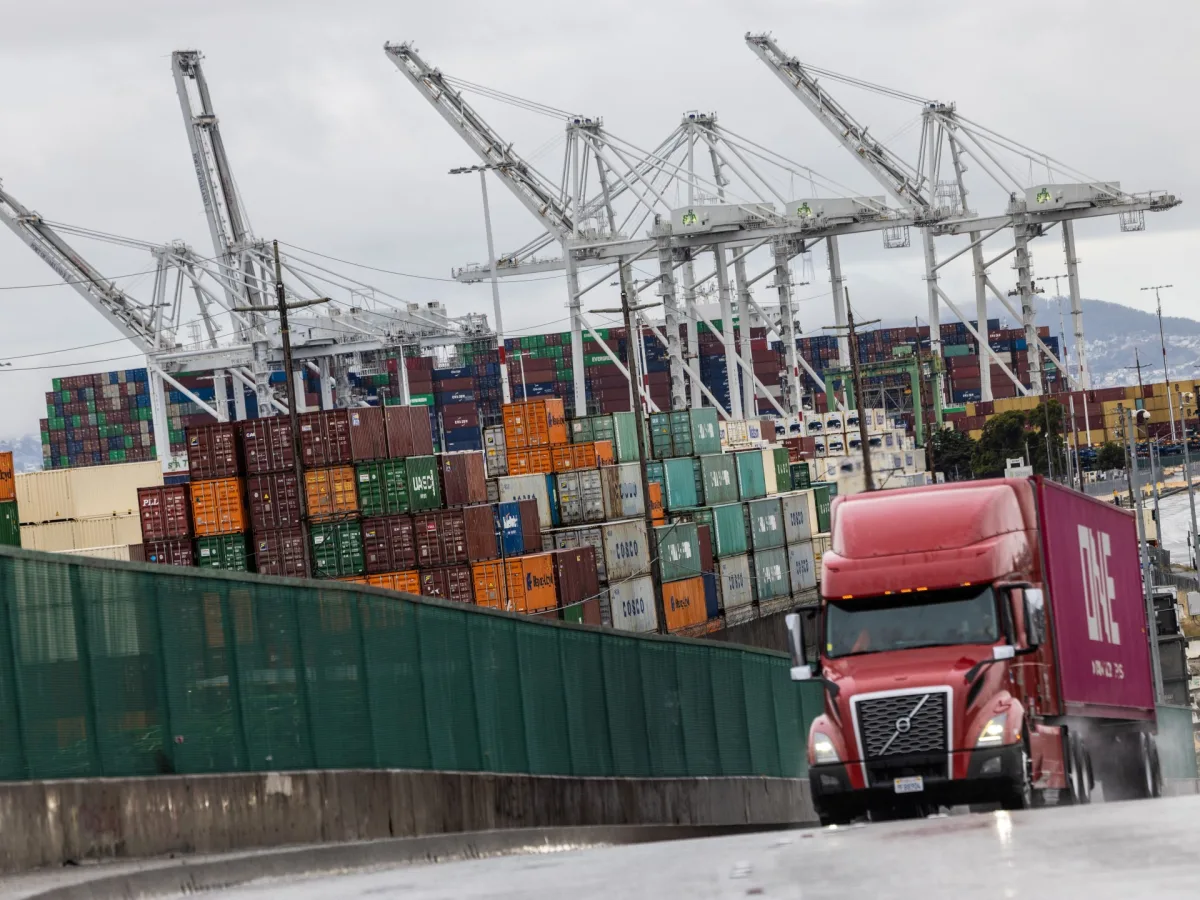
The US trade court's ruling against Donald Trump's 10 percent global tariffs is a significant development in the world of international trade. The court's decision, announced on May 7, 2026, is a major victory for small businesses that challenged the tariffs. These businesses argued that the tariffs, imposed in February, were unfair and would harm their operations. The court agreed, ruling in favor of the small businesses. This decision is a blow to Trump's trade policies, which have been a hallmark of his presidency.
The tariffs, which were imposed on a range of goods, were intended to protect American industries from foreign competition. However, many businesses argued that the tariffs would actually hurt them, by increasing the cost of imports and making it harder for them to compete in the global market. The small businesses that challenged the tariffs argued that they were unfair and would lead to job losses and economic hardship. The court's decision is a vindication of their arguments. It's not clear what Trump's next move will be, but it's likely that he will appeal the decision.
The US trade court's ruling is also significant because it highlights the ongoing debate about the role of tariffs in international trade. Tariffs, which are taxes on imported goods, can be used to protect domestic industries and raise revenue for governments. However, they can also lead to trade wars and hurt consumers by increasing the cost of goods. The World Trade Organization (WTO), which is the international body responsible for regulating global trade, has rules in place to prevent countries from imposing unfair tariffs. The WTO defines tariffs as taxes on imported goods, which can be used to protect domestic industries and raise revenue for governments.
The US trade court's decision is a complex one, and it's not clear what the full implications will be. However, it's likely that the decision will have far-reaching consequences for businesses and consumers alike. The tariffs, which were imposed on a range of goods, including steel and aluminum, were intended to protect American industries from foreign competition. However, many businesses argued that the tariffs would actually hurt them, by increasing the cost of imports and making it harder for them to compete in the global market.
Key Facts
- The US trade court ruled against Donald Trump's 10 percent global tariffs on May 7, 2026.
- The tariffs were imposed in February 2026.
- The tariffs affected a range of goods, including steel and aluminum.
- The small businesses that challenged the tariffs argued that they were unfair and would lead to job losses and economic hardship.
- The court's decision is a significant blow to Trump's trade policies.
- The WTO has rules in place to prevent countries from imposing unfair tariffs.
- Tariffs are taxes on imported goods, which can be used to protect domestic industries and raise revenue for governments.
- The US trade court's decision is a major victory for small businesses that challenged the tariffs.
Background to the Tariffs
The US trade court's ruling against Trump's tariffs is not the first time that the Trump administration has faced challenges to its trade policies. In 2018, Trump imposed tariffs on steel and aluminum imports, citing national security concerns. The move was widely criticized by other countries, which argued that the tariffs were unfair and would lead to a trade war. The WTO has rules in place to prevent countries from imposing unfair tariffs, and it's likely that the organization will be watching the US trade court's decision closely.
The Trump administration has argued that the tariffs are necessary to protect American industries from foreign competition. However, many businesses have argued that the tariffs will actually hurt them, by increasing the cost of imports and making it harder for them to compete in the global market. The small businesses that challenged the tariffs argued that they were unfair and would lead to job losses and economic hardship. The court's decision is a vindication of their arguments. It's not clear what Trump's next move will be, but it's likely that he will appeal the decision.
The US trade court's ruling is also significant because it highlights the ongoing debate about the role of tariffs in international trade. Tariffs can be used to protect domestic industries and raise revenue for governments. However, they can also lead to trade wars and hurt consumers by increasing the cost of goods. The WTO has rules in place to prevent countries from imposing unfair tariffs, and it's likely that the organization will be watching the US trade court's decision closely. The WTO defines tariffs as taxes on imported goods, which can be used to protect domestic industries and raise revenue for governments.
The Impact on Small Businesses
The US trade court's ruling against Trump's tariffs is a major victory for small businesses that challenged the tariffs. These businesses argued that the tariffs were unfair and would lead to job losses and economic hardship. The court's decision is a vindication of their arguments. It's not clear what Trump's next move will be, but it's likely that he will appeal the decision. The small businesses that challenged the tariffs are likely to be relieved by the court's decision, but they may still face challenges in the coming months.
The tariffs, which were imposed on a range of goods, including steel and aluminum, were intended to protect American industries from foreign competition. However, many businesses argued that the tariffs would actually hurt them, by increasing the cost of imports and making it harder for them to compete in the global market. The small businesses that challenged the tariffs argued that they were unfair and would lead to job losses and economic hardship. The court's decision is a vindication of their arguments. It's not clear what Trump's next move will be, but it's likely that he will appeal the decision.
The Role of the WTO
The US trade court's ruling against Trump's tariffs is also significant because it highlights the ongoing debate about the role of tariffs in international trade. The WTO, which is the international body responsible for regulating global trade, has rules in place to prevent countries from imposing unfair tariffs. The WTO defines tariffs as taxes on imported goods, which can be used to protect domestic industries and raise revenue for governments. However, the organization also has rules in place to prevent countries from imposing tariffs that are unfair or discriminatory.
The WTO has been watching the US trade court's decision closely, and it's likely that the organization will take action if it determines that the tariffs are unfair or discriminatory. The WTO has a dispute settlement body, which is responsible for resolving trade disputes between countries. The body can impose sanctions on countries that are found to be in breach of WTO rules. It's not clear what the WTO's next move will be, but it's likely that the organization will be closely monitoring the situation.
Reaction to the Ruling
The US trade court's ruling against Trump's tariffs has been welcomed by many businesses and organizations. The National Federation of Independent Business, which represents small businesses, has praised the court's decision. The organization's president, Brad Close, said that the ruling is a major victory for small businesses. He argued that the tariffs were unfair and would have led to job losses and economic hardship.
The ruling is a major victory for small businesses, which have been disproportionately affected by the tariffs. We are pleased that the court has recognized the harm that the tariffs would cause and has taken action to prevent it.
The US trade court's ruling has also been welcomed by other countries, which have argued that the tariffs are unfair and would lead to a trade war. The European Union, which is one of the US's largest trading partners, has praised the court's decision. The EU's trade commissioner, Valdis Dombrovskis, said that the ruling is a positive development. He argued that the tariffs were unfair and would have led to a trade war.
What Happens Next
The US trade court's ruling against Trump's tariffs is a significant development, but it's not clear what the full implications will be. Trump is likely to appeal the decision, and it's possible that the case could end up in the Supreme Court. The Supreme Court has the final say on matters of federal law, and it's possible that the court could overturn the US trade court's decision. However, it's also possible that the Supreme Court could uphold the decision, which would be a major blow to Trump's trade policies.
The US trade court's ruling is also significant because it highlights the ongoing debate about the role of tariffs in international trade. The WTO has rules in place to prevent countries from imposing unfair tariffs, and it's likely that the organization will be watching the US trade court's decision closely. The WTO defines tariffs as taxes on imported goods, which can be used to protect domestic industries and raise revenue for governments. However, the organization also has rules in place to prevent countries from imposing tariffs that are unfair or discriminatory.
The US trade court's ruling against Trump's tariffs is a complex one, and it's not clear what the full implications will be. However, it's likely that the decision will have far-reaching consequences for businesses and consumers alike. The tariffs, which were imposed on a range of goods, including steel and aluminum, were intended to protect American industries from foreign competition. However, many businesses argued that the tariffs would actually hurt them, by increasing the cost of imports and making it harder for them to compete in the global market. The small businesses that challenged the tariffs argued that they were unfair and would lead to job losses and economic hardship.
The court's decision is a vindication of their arguments. It's not clear what Trump's next move will be, but it's likely that he will appeal the decision.