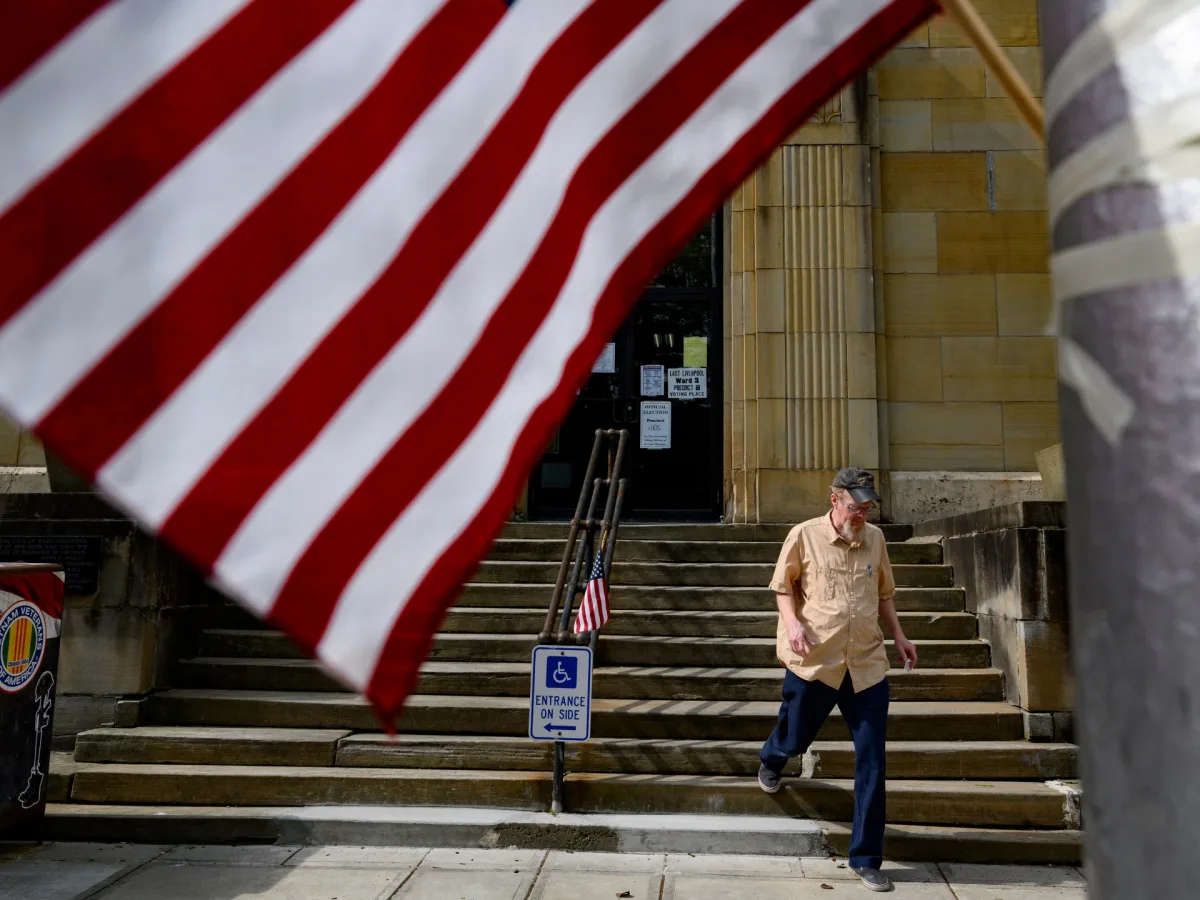
The primary elections in Indiana and Ohio have sent a clear message: Donald Trump's influence over the Republican Party is still very much alive. Trump-endorsed candidates swept the board, winning key races and setting up a fascinating showdown for the Senate in the midterms. The results have left many wondering what the future holds for the party and the country. Trump's enduring popularity among Republican voters is a testament to his ability to connect with the grassroots, and his endorsement is still the most coveted in the party. Yet, the results also raise questions about the direction of the party and whether it can broaden its appeal beyond Trump's loyal base.
The elections in Indiana and Ohio were seen as a bellwether for the midterms, and the results have significant implications for the balance of power in Congress. The Senate race in Ohio, in particular, is shaping up to be one of the most closely watched contests of the year, with Trump-endorsed candidate J.D. Vance facing off against Democratic Representative Tim Ryan. The race is expected to be fiercely competitive, with both sides pouring in resources and talent to win. The outcome will have a major impact on the Senate, where Democrats currently hold a slim majority.

And with the House of Representatives also up for grabs, the stakes are high for both parties.
The primary elections also highlighted the ongoing struggle between the establishment and populist wings of the Republican Party. Trump's endorsement was a major factor in the success of many candidates, but it also underscored the deep divisions within the party. Some establishment Republicans, such as Governor Mike DeWine of Ohio, struggled to gain traction, while others, like Senator Todd Young of Indiana, managed to navigate the treacherous waters of Trump's endorsement. The results have left many wondering whether the party can reconcile its warring factions and present a united front for the midterms. It's a challenge that will require careful navigation and a deep understanding of the party's complexities.
The elections in Indiana and Ohio were also notable for the strong showing of Democratic candidates, particularly in Ohio, where Governor Mike DeWine's approval ratings have taken a hit. The results suggest that Democrats may have an opportunity to pick up seats in the state, which has traditionally been a bellwether for the national mood. Yet, the party still faces significant challenges, including a difficult Senate map and a potentially tough environment for incumbent Democrats. The party will need to mobilize its base and appeal to independents if it hopes to hold onto its majority in the Senate.

Key Facts
- The primary elections in Indiana and Ohio were held on May 3, 2022.
- Trump-endorsed candidates won key races in both states.
- The Senate race in Ohio is expected to be one of the most closely watched contests of the year.
- The elections highlighted the ongoing struggle between the establishment and populist wings of the Republican Party.
- Democratic candidates had a strong showing in Ohio, particularly in the governor's race.
- The results have significant implications for the balance of power in Congress.
- The Senate currently has a slim Democratic majority.
- The House of Representatives is also up for grabs in the midterms.
- Trump's endorsement is still the most coveted in the Republican Party.
- The party will need to reconcile its warring factions and present a united front for the midterms.
The Trump Factor
The primary elections in Indiana and Ohio were a stark reminder of Donald Trump's enduring influence over the Republican Party. Trump's endorsement was a major factor in the success of many candidates, and his popularity among Republican voters remains high. Yet, the results also raised questions about the direction of the party and whether it can broaden its appeal beyond Trump's loyal base. Trump's ability to connect with the grassroots is undeniable, but his divisive style and polarizing personality have also alienated many moderate voters. The party will need to navigate this complex landscape if it hopes to win back the Senate and hold onto its majority in the House.
The Trump factor was particularly evident in the Senate race in Ohio, where Trump-endorsed candidate J.D. Vance won a crowded primary. Vance's victory was seen as a major upset, and it underscored the power of Trump's endorsement in the party. Yet, it also raised questions about the party's ability to attract moderate voters, who may be turned off by Vance's hardline stance on issues like immigration and trade. The party will need to find a way to balance its appeal to the base with its need to attract independents and moderates if it hopes to win the Senate.
The Trump factor will continue to play a major role in the midterms, particularly in states like Ohio and Indiana, where Trump's popularity remains high. The party will need to navigate the complex landscape of Trump's endorsement, which can be both a blessing and a curse. While Trump's endorsement can mobilize the base and bring in new voters, it can also alienate moderates and independents, who may be turned off by Trump's divisive style and polarizing personality. The party will need to find a way to balance its appeal to the base with its need to attract a broader coalition of voters if it hopes to win the Senate and hold onto its majority in the House.
The Establishment vs. The Populists
The primary elections in Indiana and Ohio highlighted the ongoing struggle between the establishment and populist wings of the Republican Party. The results showed that Trump's endorsement was a major factor in the success of many candidates, but it also underscored the deep divisions within the party. Establishment Republicans, such as Governor Mike DeWine of Ohio, struggled to gain traction, while populists, such as J.D. Vance, rode the wave of Trump's endorsement to victory. The results have left many wondering whether the party can reconcile its warring factions and present a united front for the midterms.
The establishment vs. the populists is a battle that has been raging within the Republican Party for years. The establishment wing, which includes politicians like Governor Mike DeWine and Senator Todd Young, is seen as more moderate and pragmatic, while the populist wing, which includes politicians like J.D. Vance and Donald Trump, is seen as more ideological and divisive. The struggle between the two wings has created a complex landscape, with many politicians trying to navigate the treacherous waters of Trump's endorsement. The party will need to find a way to reconcile its warring factions if it hopes to present a united front for the midterms.
The establishment vs. the populists is not just a battle for control of the party; it's also a battle for the soul of the party. The establishment wing sees itself as the guardian of the party's traditional values and principles, while the populist wing sees itself as the champion of the party's base and the grassroots. The struggle between the two wings has created a deep divide within the party, with many politicians struggling to find a way to bridge the gap. The party will need to find a way to reconcile its warring factions if it hopes to win the Senate and hold onto its majority in the House.
The Democratic Opportunity
The primary elections in Indiana and Ohio also presented an opportunity for Democratic candidates to make gains in the states. The results showed that Democratic candidates had a strong showing in Ohio, particularly in the governor's race, where Governor Mike DeWine's approval ratings have taken a hit. The results suggest that Democrats may have an opportunity to pick up seats in the state, which has traditionally been a bellwether for the national mood. Yet, the party still faces significant challenges, including a difficult Senate map and a potentially tough environment for incumbent Democrats.
The Democratic opportunity in Ohio is significant, but it's not without its challenges. The party will need to mobilize its base and appeal to independents if it hopes to win the Senate seat. The party will also need to find a way to attract moderate voters, who may be turned off by the party's more progressive policies. The party will need to navigate the complex landscape of Ohio politics, where voters are often split between the two parties. Yet, the party has a strong candidate in Representative Tim Ryan, who has a proven track record of winning in tough districts.
The Democratic opportunity in Indiana is less clear, but the party still has a chance to make gains in the state. The party will need to find a way to appeal to moderate voters, who may be turned off by the party's more progressive policies. The party will also need to mobilize its base and attract independents if it hopes to win the Senate seat. The party has a strong candidate in Senator Todd Young's opponent, but the party will need to find a way to overcome the state's traditionally Republican lean.
The Road Ahead
The primary elections in Indiana and Ohio have set the stage for a fascinating showdown in the midterms. The results have significant implications for the balance of power in Congress, and the party that wins the Senate will have a major impact on the country's policy agenda. The road ahead will be challenging for both parties, with many obstacles to overcome before the midterms.
The road ahead for the Republican Party will be particularly challenging. The party will need to find a way to reconcile its warring factions and present a united front for the midterms. The party will also need to navigate the complex landscape of Trump's endorsement, which can be both a blessing and a curse. The party will need to find a way to balance its appeal to the base with its need to attract a broader coalition of voters if it hopes to win the Senate and hold onto its majority in the House.
The Republican Party is at a crossroads, and the road ahead will be challenging. The party will need to find a way to reconcile its warring factions and present a united front for the midterms. The party will also need to navigate the complex landscape of Trump's endorsement, which can be both a blessing and a curse. The party will need to find a way to balance its appeal to the base with its need to attract a broader coalition of voters if it hopes to win the Senate and hold onto its majority in the House, said Senator Todd Young.
The National Implications
The primary elections in Indiana and Ohio have significant implications for the national mood and the country's policy agenda. The results have underscored the deep divisions within the Republican Party and the ongoing struggle between the establishment and populist wings. The results have also highlighted the challenges facing the Democratic Party, which will need to mobilize its base and appeal to independents if it hopes to win the Senate and hold onto its majority in the House.
The national implications of the primary elections in Indiana and Ohio are far-reaching. The results have significant implications for the balance of power in Congress, and the party that wins the Senate will have a major impact on the country's policy agenda. The results have also underscored the deep divisions within the Republican Party and the ongoing struggle between the establishment and populist wings. The party will need to find a way to reconcile its warring factions and present a united front for the midterms if it hopes to win the Senate and hold onto its majority in the House.
The national implications of the primary elections in Indiana and Ohio also have significant implications for the 2024 presidential election. The results have underscored the enduring influence of Donald Trump over the Republican Party, and the party will need to find a way to navigate the complex landscape of Trump's endorsement. The party will also need to find a way to appeal to a broader coalition of voters if it hopes to win the presidency in 2024. The results have set the stage for a fascinating showdown in the midterms, and the road ahead will be challenging for both parties.