

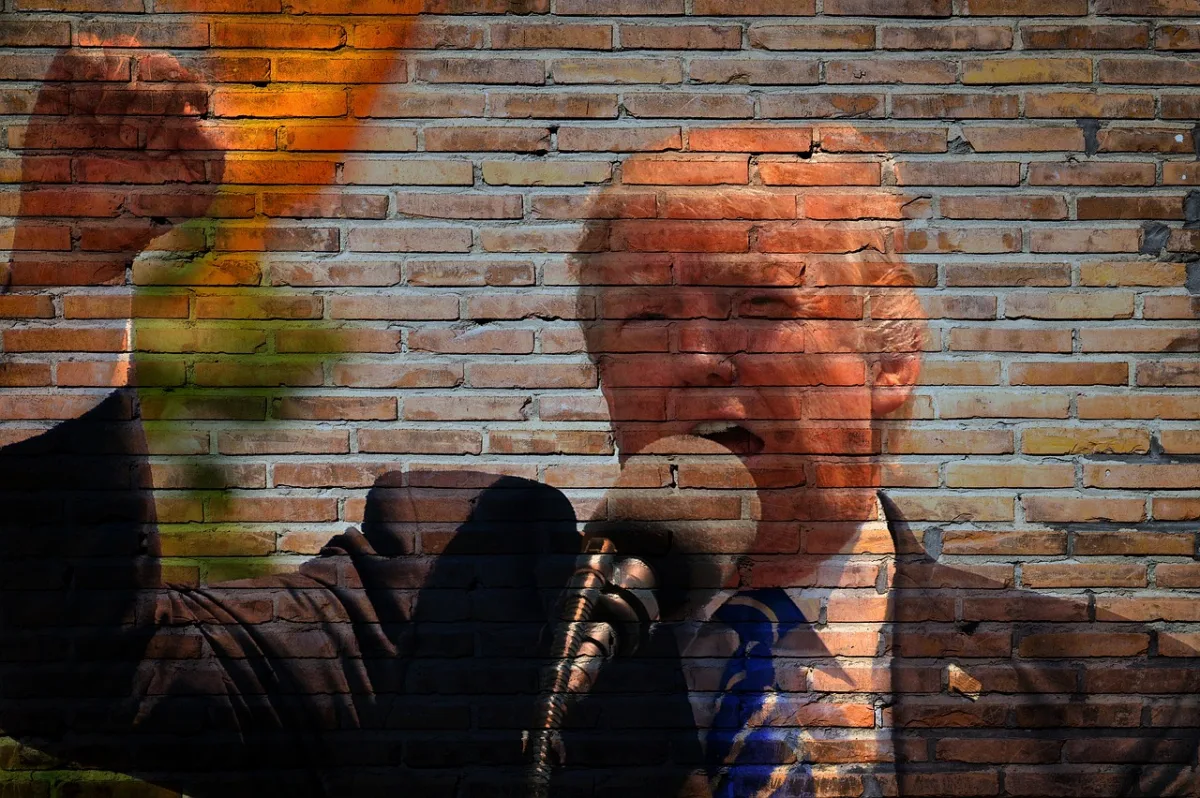
Donald Trump's popularity in the US is a phenomenon that continues to fascinate and perplex. Love him or hate him, Trump has an undeniable presence in American politics. His ability to connect with certain segments of the population has been a key factor in his enduring influence. Yet, despite his devoted fan base, Trump's overall approval ratings have been consistently low. This paradox raises important questions about the state of the US political system and the role of the Democrats in it.
The Democrats, in particular, are struggling to make sense of Trump's lasting impact. They're trying to understand why their message isn't resonating with voters who seem to be drawn to Trump's populist rhetoric. It's not just about policy; it's about the emotional connection that Trump has managed to establish with his supporters. The Democrats are grappling with how to counter this, and their lack of success so far is a major concern for the party. As they look to the future, they're realizing that they need to find a way to connect with voters on a deeper level, beyond just policy proposals.
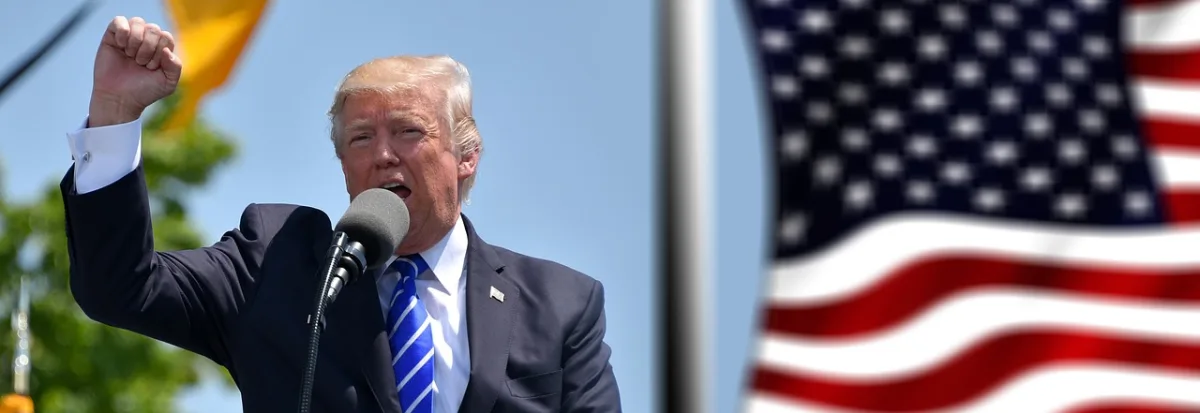
The context of Trump's popularity is complex and multifaceted. It's rooted in a mix of factors, including economic anxiety, cultural identity, and a sense of disillusionment with the political establishment. Trump has tapped into these feelings, often using divisive language and rhetoric to mobilize his base. This approach has been effective in galvanizing his supporters, but it's also alienated many others who are put off by his style and substance. The result is a deeply polarized political environment, where the middle ground seems to be shrinking.
The implications of Trump's popularity extend far beyond the US. His influence is felt globally, with many world leaders watching his every move and trying to make sense of his unpredictable approach to international relations. This has created a sense of uncertainty and instability, as countries try to navigate the shifting landscape of global politics. For the Democrats, the challenge is to find a way to counter Trump's influence, both at home and abroad. They're looking for a leader who can inspire and unite, rather than divide and polarize.
Key Facts
- Donald Trump is the 45th President of the United States
- He was elected in 2016, defeating Hillary Clinton in the presidential election
- Trump's approval ratings have been consistently low, with an average of around 40%
- The Democrats are struggling to gain traction, with their lack of support a major concern for the party
- The US is deeply polarized, with many voters feeling disillusioned with the political establishment
- Trump's influence is felt globally, with many world leaders watching his every move
The Trump Phenomenon
The Trump phenomenon is a complex and multifaceted issue, with many factors contributing to his enduring influence. One key aspect is his ability to connect with certain segments of the population, often using divisive language and rhetoric to mobilize his base. This approach has been effective in galvanizing his supporters, but it's also alienated many others who are put off by his style and substance. Trump's use of social media has also been a key factor in his success, allowing him to bypass traditional media outlets and connect directly with his followers.
Trump's popularity is also rooted in a sense of economic anxiety and cultural identity. Many of his supporters feel that the US is changing too quickly, and that their values and way of life are under threat. Trump has tapped into these feelings, often using rhetoric that is nostalgic for a bygone era. This approach has resonated with many voters, particularly in rural areas and among working-class Americans. Yet, it's also been criticized for being divisive and exclusionary, with many arguing that Trump's rhetoric has contributed to a rise in hate crimes and xenophobia.
The Trump phenomenon is also closely tied to the broader trends in US politics. The country is becoming increasingly polarized, with many voters feeling disillusioned with the political establishment. Trump has capitalized on this sense of disillusionment, often presenting himself as an outsider who can shake up the system. This approach has been effective in mobilizing his base, but it's also created a sense of uncertainty and instability. As the US navigates its complex political environment, one thing is clear: Trump's influence will continue to be felt for a long time to come.
The Democrats' Conundrum
The Democrats are struggling to make sense of Trump's lasting impact. They're trying to understand why their message isn't resonating with voters who seem to be drawn to Trump's populist rhetoric. It's not just about policy; it's about the emotional connection that Trump has managed to establish with his supporters. The Democrats are grappling with how to counter this, and their lack of success so far is a major concern for the party.
The Democrats' conundrum is also closely tied to their own internal divisions. The party is struggling to find a unified message and vision, with many different factions and interest groups vying for influence. This has created a sense of uncertainty and confusion, with many voters unsure of what the Democrats stand for. Trump, on the other hand, has been able to capitalize on this sense of uncertainty, often presenting himself as a strong and decisive leader. The Democrats need to find a way to counter this, and to present a clear and compelling vision for the future.
The Democrats' challenge is also closely tied to the broader trends in US politics. The country is becoming increasingly polarized, with many voters feeling disillusioned with the political establishment. The Democrats need to find a way to connect with these voters, and to inspire them with a sense of hope and optimism. This won't be easy, but it's essential if the party is to have any chance of success in the future. As the Democrats look to the future, they're realizing that they need to find a way to connect with voters on a deeper level, beyond just policy proposals.
The Role of Social Media
Social media has played a key role in Trump's success, allowing him to bypass traditional media outlets and connect directly with his followers. Trump's use of Twitter, in particular, has been highly effective, with many of his tweets generating widespread attention and controversy. This approach has allowed Trump to control the narrative and shape public opinion, often using social media to distract from criticism and controversy.
Social media has also changed the way that politicians communicate with voters. It's no longer just about giving speeches and holding press conferences; it's about creating a persona and building a brand. Trump has been highly effective in this regard, using social media to create a sense of intimacy and connection with his followers. This approach has been highly successful, with many of Trump's supporters feeling like they have a direct line to the President.
Yet, social media has also been criticized for its role in spreading misinformation and propaganda. Trump's use of Twitter, in particular, has been accused of being divisive and inflammatory, with many of his tweets generating widespread outrage and controversy. The Democrats need to find a way to counter this, and to use social media in a way that is positive and uplifting. This won't be easy, but it's essential if the party is to have any chance of success in the future.
The Future of US Politics
The future of US politics is highly uncertain, with many different factors and trends at play. One thing is clear, however: Trump's influence will continue to be felt for a long time to come. The Democrats need to find a way to counter this, and to present a clear and compelling vision for the future. This won't be easy, but it's essential if the party is to have any chance of success.
The future of US politics is also closely tied to the broader trends in global politics. The world is becoming increasingly interconnected, with many different countries and interest groups vying for influence. The US needs to find a way to navigate this complex landscape, and to present a clear and compelling vision for the future. This won't be easy, but it's essential if the country is to remain a major player on the world stage.
As Trump himself has said, "The future belongs to those who believe in the beauty of their dreams." This quote captures the essence of Trump's approach to politics, which is all about inspiring and motivating his supporters. The Democrats need to find a way to counter this, and to present a vision for the future that is positive and uplifting.
The Global Implications
The global implications of Trump's popularity are highly significant, with many different countries and interest groups watching his every move. Trump's approach to international relations has been highly unpredictable, with many of his decisions generating widespread controversy and concern. The Democrats need to find a way to counter this, and to present a clear and compelling vision for the future of US foreign policy.
The global implications of Trump's popularity are also closely tied to the broader trends in global politics. The world is becoming increasingly interconnected, with many different countries and interest groups vying for influence. The US needs to find a way to navigate this complex landscape, and to present a clear and compelling vision for the future. This won't be easy, but it's essential if the country is to remain a major player on the world stage.
The global implications of Trump's popularity are also highly significant for the Democrats. The party needs to find a way to connect with voters who are concerned about the future of US foreign policy, and to present a vision for the future that is positive and uplifting. This won't be easy, but it's essential if the party is to have any chance of success in the future. As the Democrats look to the future, they're realizing that they need to find a way to connect with voters on a deeper level, beyond just policy proposals.
Conclusion
In conclusion, Donald Trump's popularity in the US is a complex and multifaceted issue, with many different factors contributing to his enduring influence. The Democrats are struggling to make sense of this phenomenon, and to find a way to counter it. The party needs to find a way to connect with voters on a deeper level, beyond just policy proposals, and to present a clear and compelling vision for the future. This won't be easy, but it's essential if the party is to have any chance of success in the future.
The conclusion is also closely tied to the broader trends in US politics. The country is becoming increasingly polarized, with many voters feeling disillusioned with the political establishment. The Democrats need to find a way to connect with these voters, and to inspire them with a sense of hope and optimism. This won't be easy, but it's essential if the party is to have any chance of success in the future.
The conclusion is also highly significant for the future of US politics. The country is at a crossroads, with many different paths and possibilities ahead. The Democrats need to find a way to navigate this complex landscape, and to present a clear and compelling vision for the future. This won't be easy, but it's essential if the party is to have any chance of success in the future. As the Democrats look to the future, they're realizing that they need to find a way to connect with voters on a deeper level, beyond just policy proposals.