

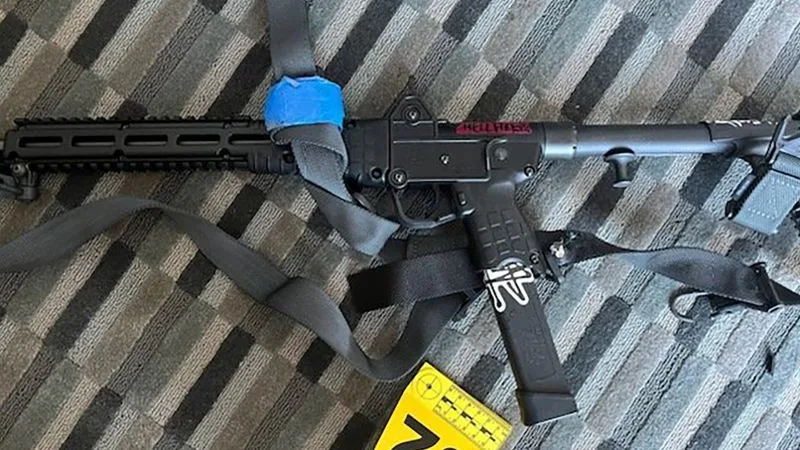
The streets of Washington, DC, are no stranger to corporate executives and elected officials meeting to discuss policy. But lately, these meetings have taken on a different tone. CEOs are tired of being held responsible for gun regulation, and they're speaking out about it. The issue has become a contentious one, with many Americans calling for stricter gun laws in the wake of recent mass shootings. Yet, CEOs argue that it's not their place to regulate firearms, and that elected officials should be taking the lead on this issue.
This shift in tone has sparked a heated debate about the role of businesses in regulating guns.
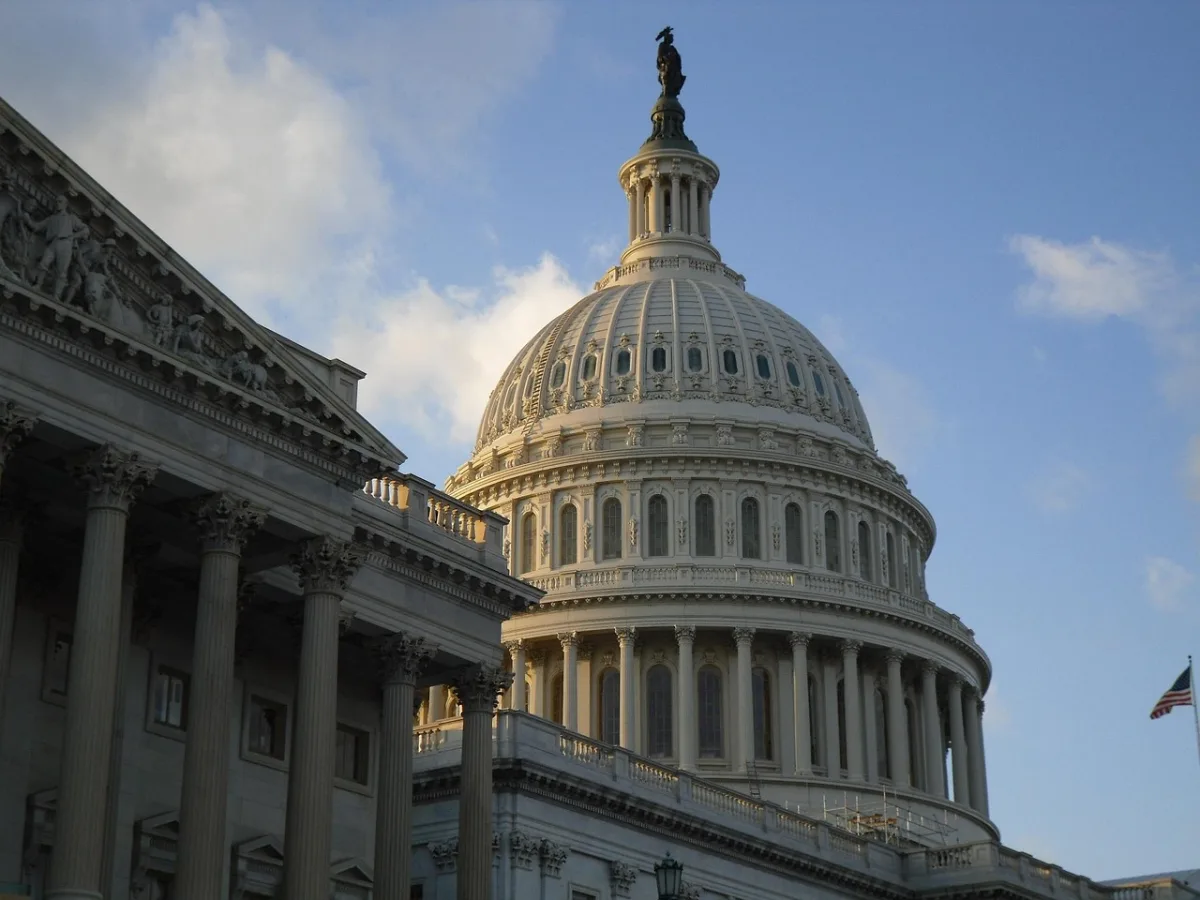
The debate has been ongoing for months, with many CEOs expressing frustration at being expected to take on a role that they feel is outside of their expertise. They argue that they're not equipped to handle the complex issues surrounding gun regulation, and that it's not their responsibility to do so. Instead, they're calling on elected officials to take action and pass meaningful gun laws. This has led to a standoff of sorts, with CEOs on one side and gun control advocates on the other. The issue has become a polarizing one, with many Americans taking a strong stance on either side.
So, what's behind this shift in tone from CEOs? Part of it has to do with the growing pressure from gun control advocates, who are calling on corporations to take a stand on the issue. Many companies have already taken steps to restrict gun sales or promote gun safety, but CEOs argue that this is not enough. They're calling for comprehensive gun laws that address the root causes of gun violence, rather than just treating the symptoms. This has put them at odds with gun control advocates, who argue that CEOs have a responsibility to use their influence to promote positive change.
And yet, despite the controversy surrounding the issue, there are signs that CEOs are starting to make a difference. Some companies have already taken steps to promote gun safety, such as restricting gun sales or promoting background checks. Others have spoken out against gun violence, using their platforms to raise awareness about the issue. While these efforts are laudable, they're not enough to satisfy gun control advocates, who argue that more needs to be done to address the root causes of gun violence.

Key Facts
- CEOs are growing tired of being held responsible for gun regulation
- The debate has sparked a heated discussion about the role of businesses in regulating firearms
- Many Americans are calling for stricter gun laws in the wake of recent mass shootings
- CEOs argue that it's not their place to regulate firearms, and that elected officials should be taking the lead on this issue
- The issue has become a polarizing one, with many Americans taking a strong stance on either side
- Some companies have already taken steps to restrict gun sales or promote gun safety
- CEOs are calling for comprehensive gun laws that address the root causes of gun violence
- Gun control advocates argue that CEOs have a responsibility to use their influence to promote positive change
The Role of Businesses in Gun Regulation
The role of businesses in regulating firearms is a complex one. On the one hand, companies have a responsibility to promote safety and well-being in their communities. This can involve taking steps to restrict gun sales or promote background checks, for example. On the other hand, CEOs argue that they're not equipped to handle the complex issues surrounding gun regulation, and that it's not their responsibility to do so. This has led to a debate about the limits of corporate responsibility, and what role businesses should play in promoting positive change.
The issue is further complicated by the fact that gun regulation is a highly politicized issue. Many Americans have strong feelings about gun control, and companies that take a stand on the issue risk alienating customers or facing backlash from gun rights advocates. This has made it difficult for CEOs to navigate the issue, and has led some to call for elected officials to take the lead on gun regulation instead. Yet, others argue that businesses have a unique opportunity to promote positive change, and that they should be using their influence to advocate for stricter gun laws.
So, what can businesses do to promote gun safety? One approach is to restrict gun sales or promote background checks. This can involve partnering with law enforcement or other organizations to promote safe and responsible gun ownership. Others have spoken out against gun violence, using their platforms to raise awareness about the issue. While these efforts are laudable, they're not enough to satisfy gun control advocates, who argue that more needs to be done to address the root causes of gun violence.
The Impact of Gun Violence on Communities
The impact of gun violence on communities is devastating. Mass shootings have become all too common in the US, leaving families and communities shattered in their wake. The trauma caused by these events can last for years, and can have a profound impact on mental health and well-being. And yet, despite the devastation caused by gun violence, many Americans remain polarized on the issue of gun control. This has made it difficult to pass meaningful gun laws, and has led to a sense of frustration and despair among those who are calling for change.
The impact of gun violence is not limited to mass shootings, however. Every day, families and communities are affected by gun violence, whether it's through homicides, suicides, or accidental shootings. This has led to a growing recognition of the need for comprehensive gun laws that address the root causes of gun violence. While CEOs are calling for elected officials to take the lead on this issue, many Americans are taking matters into their own hands. They're organizing protests, contacting their representatives, and advocating for stricter gun laws.
"The gun violence epidemic is a public health crisis that requires a comprehensive solution," said Sarah Kendzior, a gun control advocate. "We need to address the root causes of gun violence, rather than just treating the symptoms. This means passing meaningful gun laws that promote safe and responsible gun ownership, and addressing the social and economic factors that contribute to gun violence."
The History of Gun Regulation in the US
The history of gun regulation in the US is complex and multifaceted. The Second Amendment, which guarantees the right to bear arms, has been interpreted in many different ways over the years. While some argue that it guarantees an individual right to own guns, others argue that it only applies to militias. This has led to a long and contentious debate about the role of guns in American society, and the limits of gun regulation.
The debate has been shaped by a number of key events and court decisions over the years. The Gun Control Act of 1968, for example, imposed stricter regulations on gun sales and ownership. The Brady Handgun Violence Prevention Act of 1993, on the other hand, imposed a five-day waiting period on handgun purchases. More recently, the Supreme Court has weighed in on the issue, ruling in District of Columbia v. Heller that the Second Amendment guarantees an individual right to own guns.
And yet, despite these efforts, gun violence remains a major problem in the US. Mass shootings have become all too common, and the impact of gun violence on communities is devastating. This has led to a growing recognition of the need for comprehensive gun laws that address the root causes of gun violence. While CEOs are calling for elected officials to take the lead on this issue, many Americans are taking matters into their own hands. They're organizing protests, contacting their representatives, and advocating for stricter gun laws.
The Future of Gun Regulation
The future of gun regulation in the US is uncertain. While there is a growing recognition of the need for comprehensive gun laws, the issue remains highly polarized. Many Americans are calling for stricter gun laws, while others argue that such laws would infringe on their Second Amendment rights. This has made it difficult to pass meaningful gun laws, and has led to a sense of frustration and despair among those who are calling for change.
So, what's next for gun regulation in the US? One approach is to focus on promoting safe and responsible gun ownership. This can involve partnering with law enforcement or other organizations to promote background checks and gun safety. Others have spoken out against gun violence, using their platforms to raise awareness about the issue. While these efforts are laudable, they're not enough to satisfy gun control advocates, who argue that more needs to be done to address the root causes of gun violence.
And yet, despite the challenges, there are signs that progress is being made. Some companies have already taken steps to restrict gun sales or promote gun safety, for example. Others have spoken out against gun violence, using their platforms to raise awareness about the issue. While these efforts are not enough to satisfy gun control advocates, they represent an important step in the right direction. As the debate over gun regulation continues, it's clear that CEOs and other business leaders will play a critical role in shaping the conversation and promoting positive change.
Conclusion
In conclusion, the debate over gun regulation in the US is complex and multifaceted. CEOs are growing tired of being held responsible for gun regulation, and are calling on elected officials to take the lead on this issue. While the role of businesses in regulating firearms is a complex one, it's clear that companies have a responsibility to promote safety and well-being in their communities. As the debate continues, it's likely that we'll see more companies taking steps to promote gun safety and advocate for stricter gun laws. Whether this will be enough to satisfy gun control advocates remains to be seen, but one thing is certain: the issue of gun regulation will continue to be a major topic of conversation in the US for years to come.