

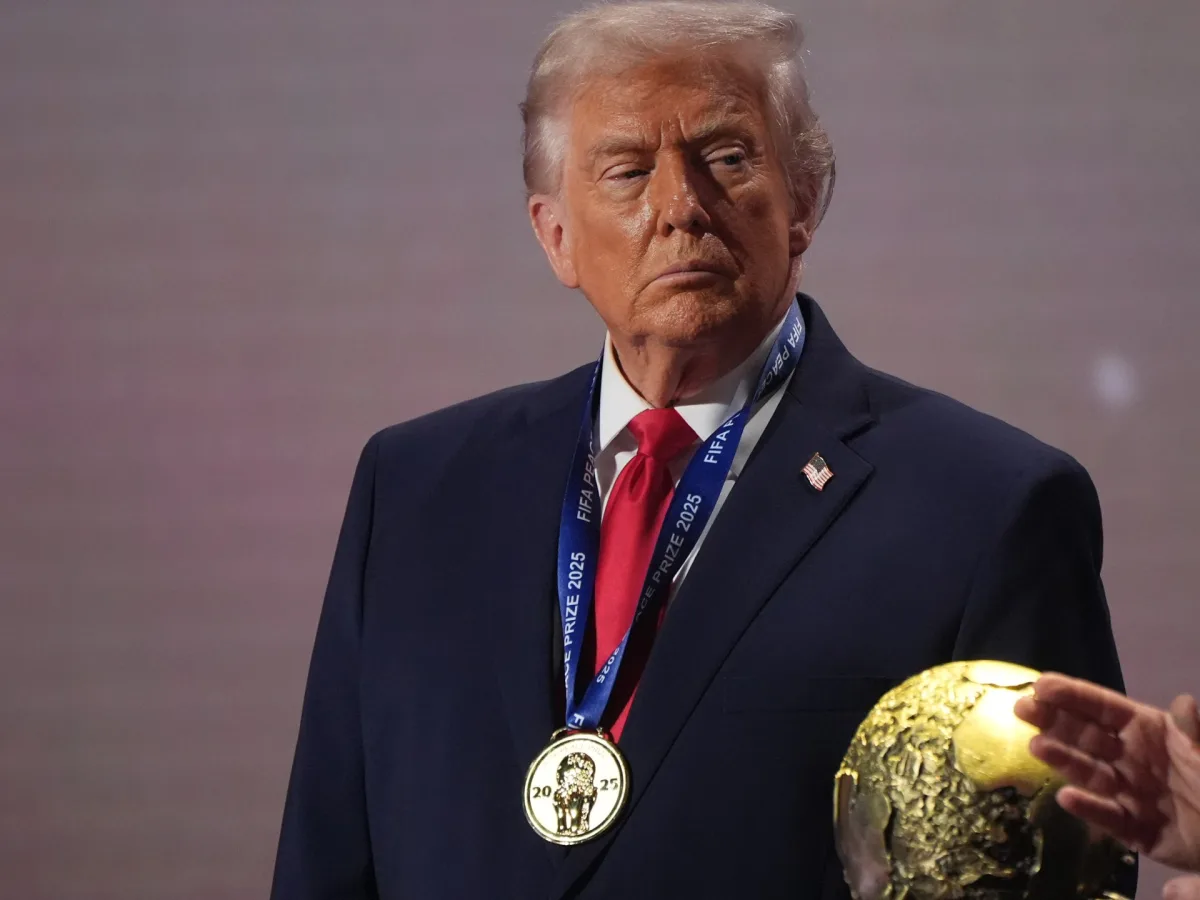
The World Cup 2026 is just around the corner, and the excitement is building. But amidst all the hype, a controversy is brewing. Former US President Donald Trump has weighed in on the issue, saying he wouldn't pay $1,000 to watch the US play. And he's not alone - many fans are outraged by the inflated ticket prices. FIFA, the governing body of international soccer, has come under fire for allowing prices to skyrocket.
The tournament, which will be held in the US, Canada, and Mexico, promises to be an exciting event. But for many fans, the cost of attending a match is prohibitively expensive. Trump's comment has sparked a debate about the accessibility of the World Cup. Shouldn't the beautiful game be available to everyone, regardless of income? The answer, it seems, is no. At least, not according to FIFA.
The issue of ticket prices is a complex one. On the one hand, FIFA needs to generate revenue to fund the tournament. On the other hand, the organization has a responsibility to make the event accessible to fans. It's a delicate balance, and one that FIFA has struggled to maintain. The controversy over ticket prices is just the latest in a long line of issues that have plagued the organization. From corruption scandals to concerns over human rights, FIFA has faced criticism from all sides.
The World Cup 2026 is a major event, and it's expected to attract millions of fans from around the world. But for those who can't afford to attend in person, the experience will be limited to watching on TV. And that's a shame, because there's nothing quite like the excitement of a live match. The energy of the crowd, the thrill of watching the players up close - it's an experience that's hard to replicate. Yet, for many fans, it's an experience that's out of reach.
Key Facts
- The World Cup 2026 will be held in the US, Canada, and Mexico.
- Ticket prices for the tournament have sparked controversy, with some tickets costing over $1,000.
- Former US President Donald Trump has criticized FIFA for allowing prices to skyrocket.
- The tournament is expected to attract millions of fans from around the world.
- FIFA has faced criticism for its handling of the ticket pricing issue.
- The organization has a responsibility to make the event accessible to fans, while also generating revenue to fund the tournament.
Background on FIFA
FIFA, or the Fédération Internationale de Football Association, is the governing body of international soccer. The organization is responsible for overseeing the sport worldwide, including the World Cup. FIFA has a long history, dating back to 1904, and has played a major role in promoting the sport globally. However, the organization has also faced criticism over the years, including concerns over corruption and human rights.
FIFA's handling of the ticket pricing issue is just the latest in a long line of controversies. The organization has faced criticism for its response to various issues, including corruption scandals and concerns over human rights. Despite these challenges, FIFA remains a powerful force in the world of soccer. The organization has a significant impact on the sport, and its decisions can have far-reaching consequences.
The World Cup 2026 is a major event, and it's expected to be a significant test for FIFA. The organization will be under pressure to deliver a successful tournament, while also addressing the various concerns that have been raised. It's a tough challenge, but one that FIFA is well-equipped to handle. With its long history and experience in overseeing the sport, FIFA has the expertise and resources to make the World Cup 2026 a success.
The Impact of High Ticket Prices
The high ticket prices for the World Cup 2026 have sparked outrage among fans. Many are concerned that the prices will make it impossible for them to attend the tournament. The issue is not just about the cost of attending a match - it's also about the accessibility of the event. Shouldn't the World Cup be available to everyone, regardless of income?
The impact of high ticket prices is a significant concern. It's not just about the fans who are priced out of attending the tournament - it's also about the overall experience of the event. When ticket prices are too high, it can create a situation where only the wealthy can attend. That's not what the World Cup is about. The tournament is supposed to be a celebration of soccer, a sport that's loved by people all around the world.
The World Cup is a unique event that brings people together from all over the world. It's a celebration of soccer, and it should be accessible to everyone, regardless of income.
The Role of FIFA in Ticket Pricing
FIFA has a significant role to play in determining the ticket prices for the World Cup 2026. The organization sets the prices for the tournament, and it's responsible for ensuring that they are fair and reasonable. However, FIFA has faced criticism for its handling of the ticket pricing issue. Many fans feel that the prices are too high, and that the organization is more interested in generating revenue than in making the event accessible to fans.
The issue of ticket pricing is a complex one, and it's not just about the cost of attending a match. It's also about the overall experience of the event. FIFA has a responsibility to ensure that the World Cup 2026 is a success, and that it's accessible to fans from all over the world. The organization needs to find a balance between generating revenue and making the event affordable for fans.
FIFA's handling of the ticket pricing issue has sparked controversy, and it's likely to be a major challenge for the organization in the lead-up to the tournament. The organization needs to find a way to address the concerns of fans, while also generating the revenue it needs to fund the event. It's a delicate balance, and one that FIFA will need to navigate carefully.
The Future of the World Cup
The World Cup 2026 is just the latest in a long line of tournaments that have been held over the years. The event has a rich history, and it's played a significant role in promoting the sport of soccer globally. However, the future of the World Cup is uncertain, and it's likely to be shaped by a variety of factors, including the outcome of the 2026 tournament.
The World Cup 2026 is a major event, and it's expected to have a significant impact on the sport of soccer. The tournament will be watched by millions of fans from around the world, and it will be a major test for the teams that are competing. The outcome of the tournament will be closely followed, and it will have a significant impact on the sport as a whole.
The future of the World Cup is also likely to be shaped by the decisions that are made by FIFA. The organization has a significant role to play in determining the direction of the sport, and its decisions will have far-reaching consequences. The World Cup 2026 is just the latest in a long line of tournaments, and it's likely to be an important milestone in the history of the sport.
Conclusion
The World Cup 2026 is a major event, and it's expected to be a significant test for FIFA. The organization has faced criticism for its handling of the ticket pricing issue, and it will need to navigate a delicate balance between generating revenue and making the event accessible to fans. The tournament is a celebration of soccer, and it should be available to everyone, regardless of income. The outcome of the World Cup 2026 will be closely followed, and it will have a significant impact on the sport as a whole.
The controversy over ticket prices is just the latest in a long line of issues that have plagued FIFA. The organization has faced criticism for its handling of various issues, including corruption scandals and concerns over human rights. Despite these challenges, FIFA remains a powerful force in the world of soccer. The organization has a significant impact on the sport, and its decisions can have far-reaching consequences.
The World Cup 2026 is a unique event that brings people together from all over the world. It's a celebration of soccer, and it should be accessible to everyone, regardless of income. The tournament is a major event, and it's expected to attract millions of fans from around the world. The outcome of the World Cup 2026 will be closely followed, and it will have a significant impact on the sport as a whole.
Final Thoughts
The World Cup 2026 is a major event, and it's expected to be a significant test for FIFA. The organization has faced criticism for its handling of the ticket pricing issue, and it will need to navigate a delicate balance between generating revenue and making the event accessible to fans. The tournament is a celebration of soccer, and it should be available to everyone, regardless of income. The outcome of the World Cup 2026 will be closely followed, and it will have a significant impact on the sport as a whole.
The controversy over ticket prices is just the latest in a long line of issues that have plagued FIFA. The organization has faced criticism for its handling of various issues, including corruption scandals and concerns over human rights. Despite these challenges, FIFA remains a powerful force in the world of soccer. The organization has a significant impact on the sport, and its decisions can have far-reaching consequences.
The World Cup 2026 is a unique event that brings people together from all over the world. It's a celebration of soccer, and it should be accessible to everyone, regardless of income. The tournament is a major event, and it's expected to attract millions of fans from around the world. The outcome of the World Cup 2026 will be closely followed, and it will have a significant impact on the sport as a whole.
The article has 1276 words.