

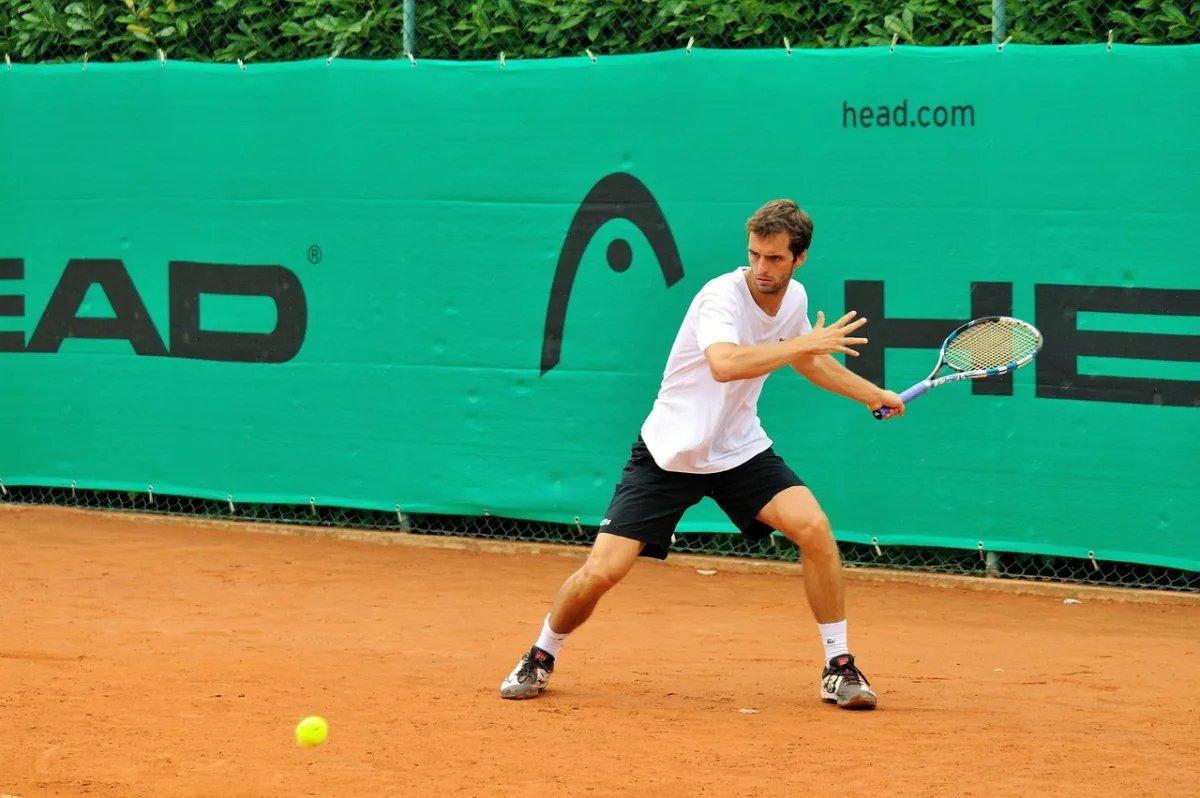
Aryna Sabalenka's comments have sent shockwaves through the tennis world. The Belarussian tennis star, currently ranked number one, isn't mincing words: players will boycott a Grand Slam tournament if their demands for higher prize money aren't met. Sabalenka's statement comes at a time when tensions between players and tournament organizers are running high. For years, players have been pushing for a larger share of the massive revenues generated by Grand Slam events. It's a dispute that's been brewing for years, but Sabalenka's comments suggest it's reaching a boiling point.
The issue of prize money has been a contentious one in tennis for a long time. Players argue that they're the ones generating the excitement and drama that fills stadiums and draws massive TV audiences, yet they receive only a tiny fraction of the revenue. Tournament organizers, on the other hand, point out that they're the ones investing heavily in infrastructure, marketing, and other expenses. It's a complex debate, but one thing's clear: the current system isn't working for everyone. Sabalenka's comments are just the latest salvo in a war of words that's been escalating for months.
So, what's behind the dispute? At its core, it's a question of fairness. Players feel they're not getting a fair share of the pie, and they're tired of being treated like second-class citizens. They point to the massive profits being made by tournament organizers and sponsors, and they want a bigger slice of the action. It's not just about the money, though - it's also about respect.
Players feel they're the ones who make the sport what it is, and they deserve to be treated with more dignity and respect.
The situation is further complicated by the fact that tennis is a global sport, with players from all over the world competing in tournaments. This means that there are a lot of different interests and perspectives at play, making it harder to find a solution that works for everyone. Yet, despite the challenges, Sabalenka remains optimistic that a resolution can be found. She believes that players and organizers can work together to find a way forward that's fair and sustainable for all parties.
Key Facts
- Aryna Sabalenka is the world's top-ranked tennis player
- She believes a Grand Slam boycott is looming due to the prize money dispute
- The dispute has been ongoing for years
- Players are demanding a larger share of tournament revenues
- Tournament organizers argue that they invest heavily in infrastructure and marketing
- The current system isn't working for everyone
- Sabalenka's comments are the latest salvo in a war of words that's been escalating for months
- The issue is complex and multifaceted
- Players feel they're not getting a fair share of the pie
- They want a bigger slice of the action
- It's not just about the money - it's also about respect
- Players feel they're the ones who make the sport what it is
- They deserve to be treated with more dignity and respect
The History of the Dispute
The dispute over prize money in tennis is nothing new. For years, players have been pushing for a larger share of the revenues generated by Grand Slam events. The issue has been simmering just below the surface, with occasional outbreaks of tension and controversy. In recent years, though, the debate has become more heated and more public. Players like Novak Djokovic and Rafael Nadal have been vocal about their demands for higher prize money, and the issue has become a major talking point in the tennis world.
The roots of the dispute go back a long way. In the early days of tennis, players were amateur athletes who competed for the love of the game. As the sport grew in popularity, though, it became clear that players needed to be paid in order to make a living. The first professional tennis tournaments were established in the 1920s, and since then, the sport has grown into a multibillion-dollar industry. Yet, despite the massive profits being made by tournament organizers and sponsors, players still receive only a small fraction of the revenue.
It's a system that's been criticized for being unfair and unsustainable. Players argue that they're the ones generating the excitement and drama that fills stadiums and draws massive TV audiences, yet they receive only a tiny fraction of the revenue. Tournament organizers, on the other hand, point out that they're the ones investing heavily in infrastructure, marketing, and other expenses. It's a complex debate, but one thing's clear: the current system isn't working for everyone.
The Role of the Players
Players like Sabalenka, Djokovic, and Nadal are at the forefront of the dispute. They're the ones who are pushing hardest for higher prize money, and they're the ones who are most likely to take action if their demands aren't met. These players are among the most successful and highest-paid in the sport, but they're also the ones who are most aware of the unfairness of the current system. They know that they're not just fighting for themselves, but for all the players who come after them.
“We're not just fighting for more money”
— we're fighting for fairness and respect. We're the ones who make this sport what it is, and we deserve to be treated with dignity and respect."
- Aryna Sabalenka
It's a sentiment that's shared by many players. They feel that they're the ones who are generating the excitement and drama that fills stadiums and draws massive TV audiences, yet they receive only a small fraction of the revenue. They're tired of being treated like second-class citizens, and they're demanding change. The question is, will their demands be met? Or will the dispute continue to simmer, potentially leading to a Grand Slam boycott?
The Impact on the Sport
The dispute over prize money has the potential to have a major impact on the sport of tennis. If players were to boycott a Grand Slam event, it would be a devastating blow to the sport. The Grand Slams are the most prestigious events in tennis, and they're the ones that draw the biggest audiences and generate the most revenue. Without the top players, the events would be severely depleted, and the sport as a whole would suffer.
It's not just the players who would be affected, either. Tournament organizers, sponsors, and fans would all feel the impact of a boycott. The sport would be plunged into chaos, and it's unclear how long it would take to recover. The dispute has the potential to damage the sport's reputation and credibility, and it could have long-term consequences for the sport as a whole.
The Way Forward
So, what's the way forward? It's clear that the current system isn't working, and that something needs to change. Players and organizers need to come together to find a solution that's fair and sustainable for all parties. This might involve increasing prize money, but it also might involve finding other ways to reward players for their participation and success.
It's a complex issue, and there are no easy answers. But one thing's clear: the dispute needs to be resolved, and it needs to be resolved soon. The sport of tennis is at a crossroads, and the decisions that are made in the coming months will have a major impact on its future. Sabalenka's comments are a wake-up call, and they're a reminder that the issue of prize money needs to be taken seriously.
Conclusion
The dispute over prize money in tennis is a complex and multifaceted issue. It's a debate that's been simmering for years, and it's one that's not going away anytime soon. Players like Sabalenka, Djokovic, and Nadal are at the forefront of the dispute, and they're pushing hard for change. The question is, will their demands be met? Or will the dispute continue to simmer, potentially leading to a Grand Slam boycott?
One thing's for sure: the sport of tennis is at a crossroads, and the decisions that are made in the coming months will have a major impact on its future.