

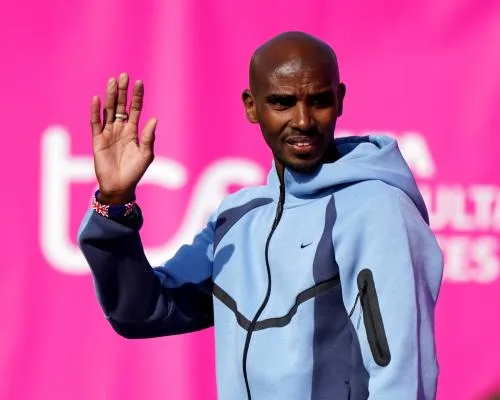
Mo Farah, the Olympic gold medal long-distance runner, has joined forces with over 70 leading UK sporting bodies to demand that the government reconsider the proposed £120m cuts to school sports in England. The cuts, which would affect the Department of Health and Social Care's £60m contribution to school sports, as well as an additional £60m cut proposed by the Department for Education, have sparked widespread concern among sporting organizations. Farah, who is also the national school sport champion, expressed his concerns about the potential impact of the cuts on children's health and wellbeing. He argued that the new structure for school sports, which aims to improve physical education and increase participation, cannot be successfully implemented without adequate funding. The sporting bodies, which include ParalympicsGB, British Rowing, and Aquatics GB, have written to the health secretary, Wes Streeting, and the education secretary, Bridget Phillipson, to express their deep concern about the proposed cuts.
The proposed cuts have come as a surprise to many, given the growing concerns about inactivity among children and the impact it has on their health and wellbeing. According to government figures, fewer than half of children meet the chief medical officer's guidelines for physical activity, and there has been a significant decline in the number of hours allocated to physical education in secondary schools. The sporting bodies argue that cutting funding for school sports would be counterproductive and would ultimately harm the very children who are supposed to benefit from the new structure. They point out that quality, inclusive physical education and school sport are critical to children's health and wellbeing, academic success, and sense of belonging in school. The letter from the sporting bodies also highlights the uncertainty and lack of clarity surrounding the new partnerships model, which is set to replace the sports premium with a physical education and school sports partnership network.
The new model, which aims to increase participation and improve physical education, has been welcomed by the sporting bodies, but they argue that it cannot be successfully implemented without adequate funding. The model proposes to mandate two hours of physical activity per week, build partnerships with schools and local sports clubs, and require schools to advertise their sports offerings publicly to parents. However, the sporting bodies argue that reducing funding would undermine the success of the new model and would have a detrimental impact on children's health and wellbeing. They point out that the new model has the potential to improve physical education and increase participation, but it requires investment and support to be successful. The sporting bodies are urging the government to provide clarity on funding and to confirm that the current spending levels on physical education and school sport will be maintained.
The concerns about the proposed cuts are not limited to the sporting bodies. Many experts and campaigners argue that cutting funding for school sports would be a short-sighted decision that would have long-term consequences for children's health and wellbeing. They point out that physical education and school sport are essential for children's development, not just physically but also mentally and emotionally. The benefits of physical education and school sport are well-documented, and include improved academic performance, better mental health, and increased social skills. However, the proposed cuts would undermine these benefits and would ultimately harm the very children who are supposed to benefit from the new structure.
Key Facts
- Mo Farah and over 70 UK sporting bodies are urging the government to rethink the proposed £120m cuts to school sports in England.
- The proposed cuts would affect the Department of Health and Social Care's £60m contribution to school sports and an additional £60m cut proposed by the Department for Education.
- The new model for school sports aims to increase participation and improve physical education.
- The model proposes to mandate two hours of physical activity per week, build partnerships with schools and local sports clubs, and require schools to advertise their sports offerings publicly to parents.
- Fewer than half of children meet the chief medical officer's guidelines for physical activity.
- There has been a significant decline in the number of hours allocated to physical education in secondary schools.
- The sporting bodies argue that cutting funding for school sports would be counterproductive and would ultimately harm children's health and wellbeing.
Background to the Crisis
The proposed cuts to school sports in England are part of a broader trend of declining investment in physical education and school sport. Over the years, there has been a significant decline in the number of hours allocated to physical education in secondary schools, and many schools have struggled to provide adequate facilities and equipment for physical education. The sporting bodies argue that this decline has contributed to the growing problem of inactivity among children, which has serious consequences for their health and wellbeing. They point out that physical education and school sport are essential for children's development, not just physically but also mentally and emotionally. The benefits of physical education and school sport are well-documented, and include improved academic performance, better mental health, and increased social skills.
The decline in investment in physical education and school sport has been driven by a range of factors, including budget cuts and a lack of prioritization of physical education. Many schools have struggled to balance their budgets, and physical education has often been seen as a non-essential subject. However, the sporting bodies argue that this is a short-sighted approach, as physical education and school sport have a range of benefits that can improve children's overall wellbeing and academic performance. They point out that physical education and school sport can help to improve children's physical health, reduce the risk of obesity and other health problems, and improve their mental health and wellbeing.
The sporting bodies are urging the government to take a more strategic approach to investing in physical education and school sport. They argue that this requires a long-term commitment to funding and support, rather than short-term cuts and austerity measures. They point out that other countries have made significant investments in physical education and school sport, and have seen significant benefits as a result. For example, countries such as Australia and New Zealand have made physical education a priority, and have seen improvements in children's physical health and wellbeing as a result.
The Impact on Children's Health and Wellbeing
The proposed cuts to school sports in England would have a significant impact on children's health and wellbeing. The sporting bodies argue that physical education and school sport are essential for children's development, not just physically but also mentally and emotionally. The benefits of physical education and school sport are well-documented, and include improved academic performance, better mental health, and increased social skills. However, the proposed cuts would undermine these benefits and would ultimately harm the very children who are supposed to benefit from the new structure.
The impact of the proposed cuts would be felt most strongly by disadvantaged children, who already face significant barriers to participating in physical education and school sport. The sporting bodies argue that these children are often less likely to have access to sports facilities and equipment outside of school, and are therefore more reliant on school sports to get physical activity. However, the proposed cuts would undermine their ability to participate in physical education and school sport, and would exacerbate existing health inequalities. The sporting bodies are urging the government to take a more targeted approach to supporting disadvantaged children, and to ensure that they have access to high-quality physical education and school sport.
The proposed cuts would also have a significant impact on children's mental health and wellbeing. The sporting bodies argue that physical education and school sport can help to reduce stress and anxiety, and can improve children's overall mental health and wellbeing. However, the proposed cuts would undermine these benefits and would ultimately harm the very children who are supposed to benefit from the new structure. The sporting bodies are urging the government to take a more holistic approach to supporting children's mental health and wellbeing, and to ensure that physical education and school sport are prioritized as part of this approach.
The Role of Mo Farah and the Sporting Bodies
Mo Farah and the sporting bodies have played a crucial role in highlighting the proposed cuts to school sports in England. Farah, who is a high-profile athlete and a national school sport champion, has used his platform to raise awareness about the issue and to urge the government to rethink the proposed cuts. The sporting bodies, which include ParalympicsGB, British Rowing, and Aquatics GB, have also been vocal in their opposition to the proposed cuts, and have written to the health secretary and the education secretary to express their concerns.
The sporting bodies have argued that the proposed cuts would undermine the success of the new model for school sports, which aims to increase participation and improve physical education. They point out that the new model requires investment and support to be successful, and that reducing funding would be counterproductive. The sporting bodies have also highlighted the uncertainty and lack of clarity surrounding the new partnerships model, and have urged the government to provide more information about how the model will work in practice.
The government's proposal to cut funding for school sports is a short-sighted decision that will have long-term consequences for children's health and wellbeing. It's not just about the money; it's about the impact that physical education and school sport have on children's lives. We urge the government to rethink this decision and to prioritize the health and wellbeing of our children.
The Government's Response
The government has responded to the concerns about the proposed cuts to school sports in England by arguing that the new model for school sports will be more efficient and effective. The government claims that the new model will provide more opportunities for children to participate in physical education and school sport, and that it will help to address regional disparities in sports offerings. However, the sporting bodies argue that the proposed cuts would undermine the success of the new model, and that reducing funding would be counterproductive.
The government has also argued that the proposed cuts are necessary to reduce the budget deficit and to prioritize other areas of public spending. However, the sporting bodies argue that this is a short-sighted approach, and that investing in physical education and school sport would have long-term benefits for children's health and wellbeing. The sporting bodies are urging the government to take a more strategic approach to investing in physical education and school sport, and to prioritize the health and wellbeing of children.
The government's response to the concerns about the proposed cuts has been criticized by many, who argue that it fails to address the underlying issues. The sporting bodies argue that the government's response is based on a flawed assumption that the new model for school sports will be more efficient and effective, without providing adequate funding. They point out that the new model requires investment and support to be successful, and that reducing funding would undermine its success.
The Way Forward
The proposed cuts to school sports in England have sparked a wider debate about the importance of physical education and school sport. The sporting bodies argue that physical education and school sport are essential for children's development, not just physically but also mentally and emotionally. They point out that the benefits of physical education and school sport are well-documented, and include improved academic performance, better mental health, and increased social skills.
The sporting bodies are urging the government to take a more strategic approach to investing in physical education and school sport. They argue that this requires a long-term commitment to funding and support, rather than short-term cuts and austerity measures. The sporting bodies point out that other countries have made significant investments in physical education and school sport, and have seen significant benefits as a result. For example, countries such as Australia and New Zealand have made physical education a priority, and have seen improvements in children's physical health and wellbeing as a result.
The way forward is clear: the government must prioritize the health and wellbeing of children and invest in physical education and school sport. This requires a long-term commitment to funding and support, rather than short-term cuts and austerity measures. The sporting bodies are urging the government to take a more strategic approach to investing in physical education and school sport, and to prioritize the health and wellbeing of children. By doing so, the government can help to ensure that all children have access to high-quality physical education and school sport, and can reap the benefits that come with it.
Conclusion
The proposed cuts to school sports in England have sparked a wider debate about the importance of physical education and school sport. The sporting bodies argue that physical education and school sport are essential for children's development, not just physically but also mentally and emotionally. The benefits of physical education and school sport are well-documented, and include improved academic performance, better mental health, and increased social skills. However, the proposed cuts would undermine these benefits and would ultimately harm the very children who are supposed to benefit from the new structure.
The sporting bodies are urging the government to take a more strategic approach to investing in physical education and school sport. They argue that this requires a long-term commitment to funding and support, rather than short-term cuts and austerity measures. The sporting bodies point out that other countries have made significant investments in physical education and school sport, and have seen significant benefits as a result. By prioritizing the health and wellbeing of children and investing in physical education and school sport, the government can help to ensure that all children have access to high-quality physical education and school sport, and can reap the benefits that come with it.
The proposed cuts to school sports in England are a wake-up call for the government to prioritize the health and wellbeing of children. The sporting bodies are urging the government to take a more strategic approach to investing in physical education and school sport, and to prioritize the health and wellbeing of children. By doing so, the government can help to ensure that all children have access to high-quality physical education and school sport, and can reap the benefits that come with it. The future of our children's health and wellbeing depends on it.