

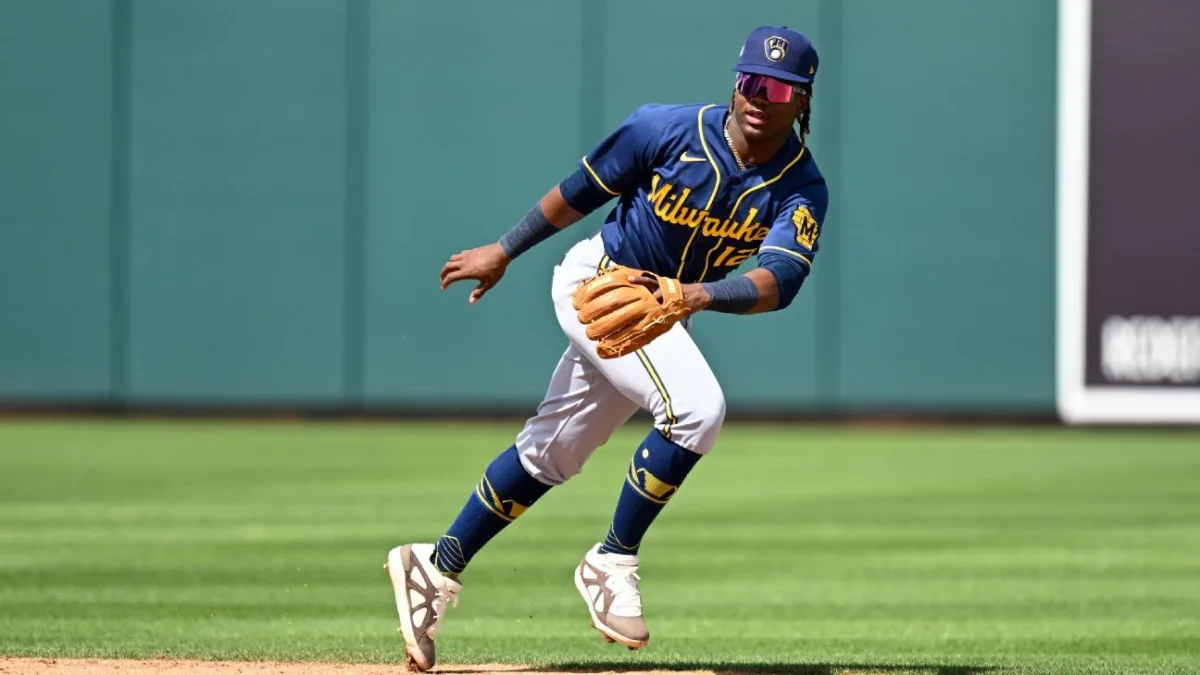
A month into the MLB season, and the landscape of top prospects is already seeing significant changes. The first few weeks of the season are always crucial in determining the trajectory of a team's campaign, and the same applies to their farm systems. As teams assess their needs and contenders start to emerge, the value of prospects can fluctuate rapidly. Kiley McDaniel's updated top 10 prospect rankings for all 30 teams offer a snapshot of who's rising and who's falling.
The rankings are not just about identifying future stars; they're also about understanding the current trade market. Teams looking to make a push for the playoffs might be willing to part with top prospects to acquire established talent. Conversely, teams out of contention might look to stockpile prospects for future success. This dynamic makes the prospect rankings a crucial tool for front offices.

One of the most significant challenges in evaluating prospects is balancing potential with performance. A player might have all the physical tools but struggle to translate them into results on the field. On the other hand, some players might not have the highest ceiling but consistently produce. The first month of the season provides valuable data points for scouts and analysts to reassess these players.
The impact of these rankings extends beyond the teams themselves, influencing the broader baseball landscape. Fans of struggling teams can find hope in the promise of their farm system, while fans of contending teams might worry about the cost of making a deep playoff run. As the season progresses, these rankings will continue to evolve, reflecting the ever-changing nature of baseball's talent pool.
Key Facts
- Kiley McDaniel's updated prospect rankings cover all 30 MLB teams.
- The first month of the season has seen significant shifts in the rankings.
- Prospect rankings are crucial for determining trade value and team strategy.
- Teams use these rankings to assess their farm systems and make decisions on call-ups and trades.
- The balance between potential and performance is key in evaluating prospects.
- The MLB season is 162 games long, providing ample time for prospects to develop and for teams to adjust their strategies.
The Art of Prospect Evaluation
Evaluating prospects is as much an art as it is a science. It requires a deep understanding of the game, its nuances, and the intangibles that make a player successful. Scouts and analysts must consider a myriad of factors, from a player's physical attributes and mechanics to their mental toughness and work ethic. This complex process is further complicated by the inherent unpredictability of baseball.

A player who dominates in the minors might struggle to adapt to the majors, while another who seems unremarkable might find unexpected success. The first month of the season offers a glimpse into these dynamics, as players face new challenges and opportunities. For instance, a pitcher who excels in the lower minors might be promoted to face tougher competition, testing their skills and resolve.
The evaluation process is continuous, with scouts and analysts constantly updating their assessments based on new information. This might come from in-game performances, scouting reports, or even data analytics. The goal is to build a comprehensive picture of a player's potential and readiness for the big leagues.
The Role of Data Analytics
Data analytics has become an indispensable tool in baseball, and prospect evaluation is no exception. Advanced metrics can provide insights into a player's performance that traditional statistics might miss. For example, a hitter's exit velocity or a pitcher's spin rate can offer clues about their potential for success at higher levels.
However, data analytics is not a replacement for traditional scouting. It's a complement, offering another lens through which to evaluate talent. The best organizations use a combination of both, blending the subjective eye of a scout with the objective analysis of data. This approach helps to mitigate the risks inherent in prospect evaluation, such as overvaluing or undervaluing certain skills.
The Human Element
Beyond the numbers and scouting reports, there's a human element to prospect evaluation that cannot be overlooked. Players are not just commodities to be bought and sold; they're individuals with unique backgrounds, motivations, and challenges. Understanding these aspects can be crucial in predicting how a player will develop and perform under pressure.
The human element in baseball is what makes it so compelling, beyond the mere statistics and rankings. It's about the stories of players overcoming adversity, of teams coming together, and of the game's ability to inspire and uplift.
Kiley McDaniel's work in updating the prospect rankings highlights this aspect, as he delves into the stories behind the numbers, giving fans a glimpse into the personalities and potential of the game's future stars.
The Impact on Teams
The updated prospect rankings have significant implications for teams across the league. For contenders, the question is whether to hold onto their top prospects or use them as trade bait to bolster their roster for a playoff push. This decision is fraught with risk, as trading away future talent can have long-term consequences.
On the other hand, teams out of contention might see these rankings as an opportunity to rebuild. By trading established players for prospects, they can stockpile talent for the future. This strategy requires patience and a deep understanding of the farm system, as well as the ability to identify and develop talent.
The rankings also influence how teams approach the draft and international signings. Knowing the strengths and weaknesses of their farm system, teams can target specific positions or skills to fill gaps. This strategic approach to roster construction is critical in the modern MLB, where the margin between success and failure is often slim.
Looking Ahead
As the season progresses, these prospect rankings will continue to evolve. Players will rise and fall based on their performances, and teams will adjust their strategies accordingly. The summer trade deadline will be a critical juncture, as contenders look to make their moves and rebuilders aim to acquire more talent.
The future of baseball is inherently uncertain, but one constant is the importance of a strong farm system. Teams that successfully develop and utilize their prospects are more likely to achieve sustained success. The updated rankings offer a snapshot of this process, a reminder of the ongoing effort to identify, develop, and deploy the next generation of baseball talent.
The journey from prospect to established star is long and arduous, filled with challenges and setbacks. Yet, for those who make it, the reward is immense. The updated prospect rankings are not just about predicting the future; they're about understanding the present and how it shapes the trajectory of teams and players alike.