

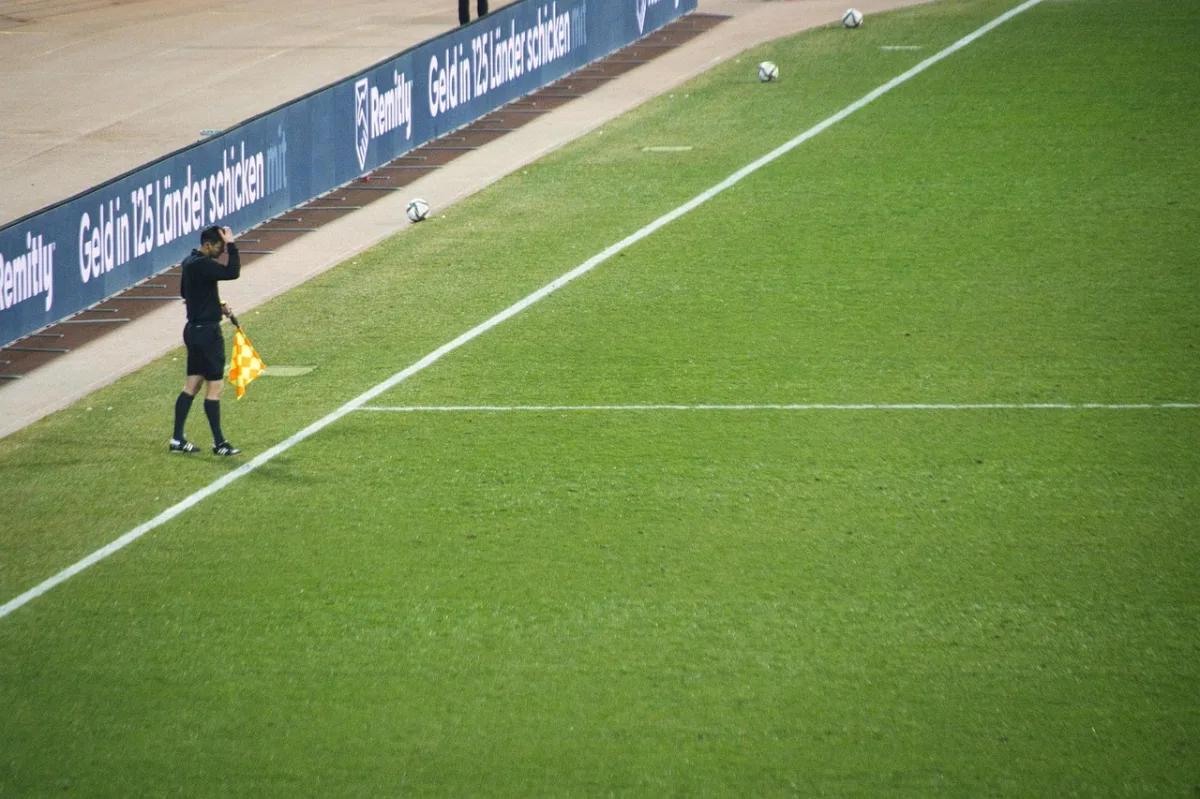
Manchester City and Everton played a thrilling match on Monday, with a goal from Thierno Barry that has left everyone talking. The goal was assisted by Manchester City's Marc Guehi, but here's the catch
- Barry was offside when he received the pass. This has sparked a heated debate about the fairness of the law, with many questioning whether the goal should have been allowed.
The incident occurred when Guehi, who was trying to clear the ball, ended up teeing it up for Barry, who was in an offside position. Barry then scored the goal, which was initially allowed by the referee. However, the decision has been met with criticism, with many arguing that the goal should have been disallowed due to Barry's offside position. The controversy surrounding the goal has highlighted the need for clearer rules and better officiating in football.

The match was a closely contested one, with both teams creating scoring opportunities. Manchester City's players were frustrated with the referee's decision, and they made their feelings known on the pitch. The tension between the two teams was palpable, and the controversy surrounding the goal only added to the drama. As the match came to a close, it was clear that the incident would be a talking point for days to come.
The debate surrounding the goal has also raised questions about the role of the referee and the use of technology in football. Many have called for the introduction of video assistant referees (VARs) to help with decision-making, particularly in situations like this where the offside rule is involved. The use of VARs has been implemented in some leagues, but its effectiveness is still a topic of debate. As the football community continues to discuss the incident, it's clear that the use of technology will play a crucial role in shaping the future of the sport.
Key Facts
- The match was played between Manchester City and Everton on Monday
- Thierno Barry scored the goal with the help of Marc Guehi
- Barry was in an offside position when he received the pass
- The referee allowed the goal, but the decision has been met with criticism
- The incident has sparked a debate about the fairness of the law
- The use of video assistant referees (VARs) has been proposed as a solution to similar incidents in the future
- The match ended with a controversial decision that has left many questioning the rules of the game
The Offside Rule
The offside rule is a complex one, and it's often difficult to interpret. In simple terms, a player is considered offside if they're closer to the opponent's goal line than both the ball and the second-to-last opponent when the ball is played forward. However, there are many exceptions and nuances to the rule, which can make it difficult to apply in certain situations. The rule is in place to prevent attacking players from gaining an unfair advantage by staying ahead of the ball and the opposing team's defense.
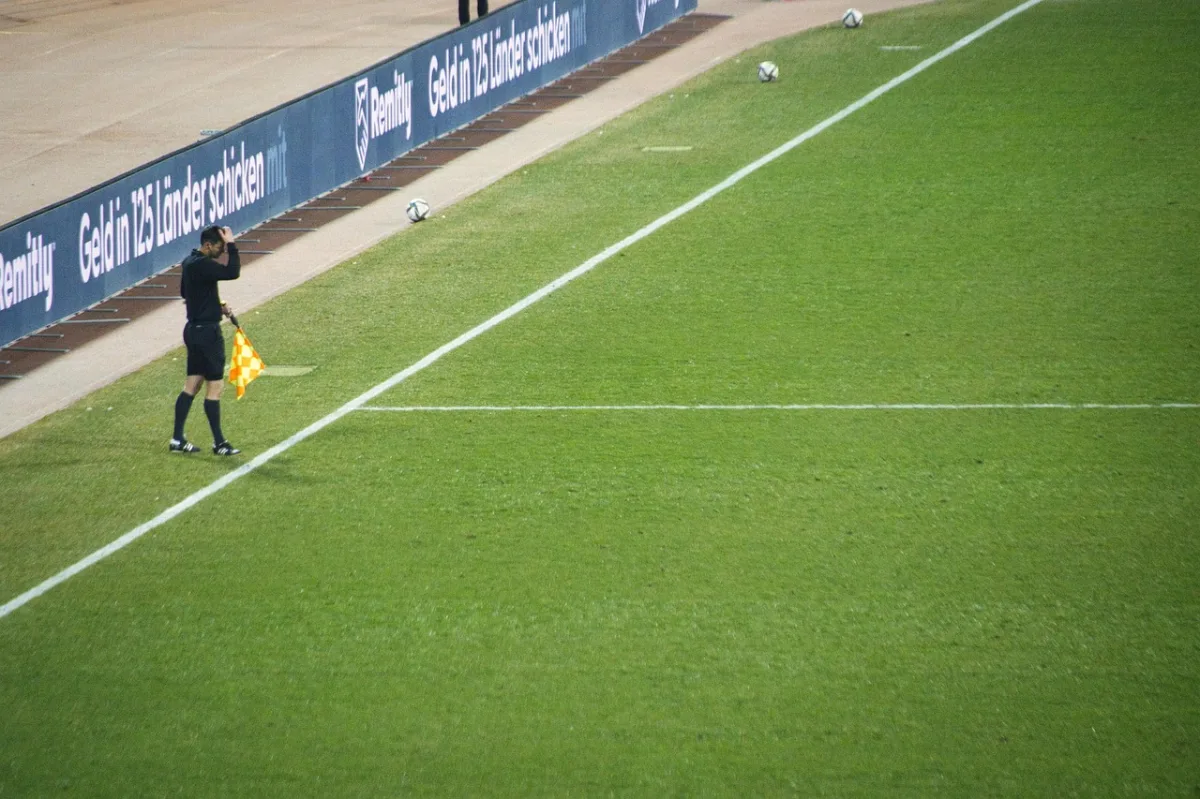
The offside rule has been a topic of debate for many years, with many arguing that it's too complicated and open to interpretation. The rule has undergone several changes over the years, with the most recent revision being introduced in 2019. The new rule states that a player is not considered offside if they're even with the second-to-last opponent, or if they're behind them. However, the rule still allows for some subjectivity, which can lead to controversy and debate.
The offside rule is not just a matter of interpreting the rules, but also of applying them consistently. Referees have a difficult job, as they have to make split-second decisions that can affect the outcome of the game. The use of VARs can help to reduce errors, but it's not a foolproof solution. As the football community continues to discuss the offside rule, it's clear that there's still much work to be done to ensure that the rule is applied fairly and consistently.
The Role of the Referee
The referee plays a crucial role in ensuring that the game is played fairly and according to the rules. They have to make difficult decisions in real-time, often with limited information and under intense pressure. The referee's decision to allow the goal has been met with criticism, with many arguing that it was the wrong call. However, it's also important to remember that referees are human and can make mistakes.
Referees undergo extensive training to learn the rules and how to apply them. They also have to be physically fit and able to keep up with the pace of the game. Despite their best efforts, referees can still make mistakes, which can have a significant impact on the outcome of the game. The use of VARs can help to reduce errors, but it's not a replacement for good refereeing. As the football community continues to discuss the incident, it's clear that the role of the referee will be under scrutiny.
The referee's decision to allow the goal has also raised questions about the consistency of refereeing in football. Many have argued that referees are not consistent in their application of the rules, which can lead to confusion and controversy. The lack of consistency can also affect the outcome of the game, as teams may feel that they're being unfairly treated. As the football community continues to discuss the incident, it's clear that there's a need for greater consistency in refereeing.
The Use of Technology
The use of technology in football is a topic of ongoing debate. Many have called for the introduction of VARs to help with decision-making, particularly in situations like this where the offside rule is involved. The use of VARs has been implemented in some leagues, but its effectiveness is still a topic of debate. Some argue that VARs can help to reduce errors and improve the accuracy of refereeing decisions.
The use of VARs is not without its challenges, however. The technology can be slow and cumbersome, and it can disrupt the flow of the game. There's also a risk that VARs can be misused or manipulated, which can lead to further controversy. Despite these challenges, many believe that the use of VARs is a step in the right direction. As the football community continues to discuss the incident, it's clear that the use of technology will play a crucial role in shaping the future of the sport.
The use of VARs is a complex issue, and it's not a simple solution to the problems of refereeing in football. However, it's a step in the right direction, and it can help to improve the accuracy and consistency of refereeing decisions. As Marc Guehi said in a post-match interview, 'The use of VARs can help to reduce errors, but it's not a replacement for good refereeing. We need to find a balance between using technology and allowing the game to flow.'
The Impact on the Game
The incident has had a significant impact on the game, with many players and coaches weighing in on the controversy. The goal has been a talking point for days, with many arguing that it should have been disallowed. The controversy has also raised questions about the rules of the game and how they're applied. As the football community continues to discuss the incident, it's clear that the game will be affected for some time to come.
The incident has also highlighted the need for better communication between referees and players. The referee's decision to allow the goal was met with confusion and frustration from the players, which can lead to tension and conflict on the pitch. The use of VARs can help to improve communication, but it's not a replacement for good refereeing. As the football community continues to discuss the incident, it's clear that there's a need for greater transparency and accountability in refereeing decisions.
The incident has also raised questions about the culture of football and how players and coaches respond to controversy. The reaction to the goal has been intense, with many players and coaches expressing their frustration and disappointment. However, it's also important to remember that football is a game, and it's meant to be enjoyed. As the football community continues to discuss the incident, it's clear that there's a need for greater respect and sportsmanship in the game.
The Future of Football
The incident has sparked a wider debate about the future of football and how the game can be improved. Many have called for changes to the rules, including the introduction of VARs and other technologies. The use of technology can help to improve the accuracy and consistency of refereeing decisions, but it's not a replacement for good refereeing. As the football community continues to discuss the incident, it's clear that the future of the game will be shaped by a combination of technology, rule changes, and a commitment to fair play.
The future of football is uncertain, but one thing is clear - the game will continue to evolve and change. The use of technology will play a crucial role in shaping the future of the game, but it's not the only factor. The game will also be shaped by the players, coaches, and fans, who will continue to push the boundaries of what's possible. As the football community continues to discuss the incident, it's clear that the future of the game is bright, but it's also uncertain.
The incident has also highlighted the need for greater investment in football infrastructure, including stadiums, training facilities, and referees. The game is a global phenomenon, and it requires significant investment to maintain its integrity and quality. As the football community continues to discuss the incident, it's clear that there's a need for greater investment in the game, particularly in areas such as refereeing and player development. The future of football is uncertain, but one thing is clear - the game will continue to thrive and evolve, and it will be shaped by a combination of technology, rule changes, and a commitment to fair play.