

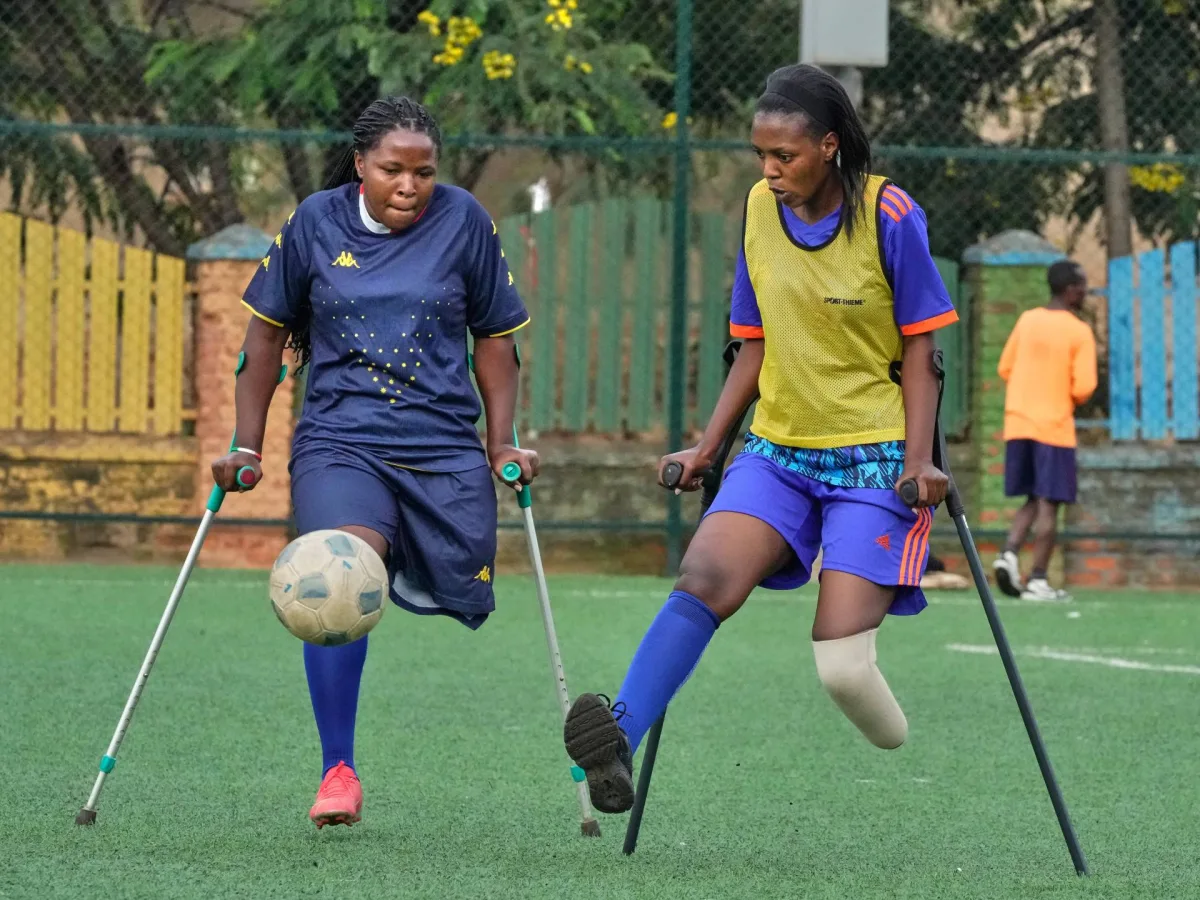
Rwanda, a country still recovering from the devastating effects of the 1994 genocide, has found an unlikely source of hope and unity in amputee football. The sport, which is played by individuals with amputations, has become a powerful symbol of resilience and determination. For many Rwandans, amputee football is more than just a game - it's a way to overcome the physical and emotional scars of war and trauma.
The sport has been gaining popularity in Rwanda over the past few years, with teams springing up in cities and towns across the country. One of the most successful teams is the Rwandan Amputee Football Team, which has been competing in international tournaments and inspiring a new generation of young players. The team's success has not only brought pride to the country, but it's also helped to challenge traditional attitudes towards disability and promote a more inclusive society.
But amputee football is not just about competition - it's also about community and support. For many players, the sport has provided a sense of belonging and purpose that they may have lacked otherwise. Players like Jean-Pierre, who lost his leg in a landmine explosion, have found a new sense of identity and self-worth through the sport. As Jean-Pierre explains, amputee football has given him a chance to prove to himself and others that he's still capable of achieving great things, despite his disability.
The growth of amputee football in Rwanda is also a testament to the country's progress in rebuilding and recovering from the devastating effects of war. The sport has become a powerful symbol of hope and resilience, inspiring a new generation of Rwandans to work towards a brighter future. And yet, despite the many successes of amputee football in Rwanda, there are still many challenges to be overcome. The sport is still in its early stages of development, and many players lack access to proper training facilities, equipment, and medical care.
Key Facts
- Amputee football is a sport played by individuals with amputations
- The sport is growing in popularity in Rwanda, with teams springing up in cities and towns across the country
- The Rwandan Amputee Football Team has been competing in international tournaments and inspiring a new generation of young players
- The team's success has helped to challenge traditional attitudes towards disability and promote a more inclusive society
- Many players, like Jean-Pierre, have found a new sense of identity and self-worth through the sport
- The growth of amputee football in Rwanda is a testament to the country's progress in rebuilding and recovering from war
History of Amputee Football in Rwanda
The history of amputee football in Rwanda is closely tied to the country's experience of war and trauma. During the 1994 genocide, thousands of people were killed or injured, leaving many with amputations and other disabilities. In the aftermath of the genocide, there was a desperate need for programs and services to support survivors and help them rebuild their lives. Amputee football was one of the sports that emerged as a way to provide support and rehabilitation to survivors.
The first amputee football teams were established in Rwanda in the early 2000s, with the help of international organizations and charities. The sport quickly gained popularity, and by the mid-2000s, there were teams competing in tournaments across the country. Today, amputee football is one of the fastest-growing sports in Rwanda, with hundreds of players and teams competing at the national and international levels.
The growth of amputee football in Rwanda has also been driven by the dedication and passion of individuals like Coach Emmanuel, who has been instrumental in developing the sport in the country. Coach Emmanuel, who lost his leg in a landmine explosion, has been coaching amputee football teams for over a decade and has helped to establish the sport as a major force in Rwandan sports.
The Impact of Amputee Football on Rwandan Society
The impact of amputee football on Rwandan society has been profound, helping to challenge traditional attitudes towards disability and promote a more inclusive society. For many Rwandans, the sport has provided a new perspective on disability, showing that people with amputations are capable of achieving great things. The sport has also helped to promote a sense of unity and national pride, bringing people together across ethnic and regional divides.
As
Coach Emmanuel explains, amputee football has given people with disabilities a sense of purpose and belonging that they may have lacked otherwise. "Amputee football has shown us that we are not limited by our disabilities," he says. "We can still achieve great things and make a positive contribution to society." The sport has also helped to promote a more positive image of disability, challenging traditional stereotypes and stigma.
The impact of amputee football on Rwandan society is not limited to the sport itself, but has also had a broader impact on the country's development and progress. The sport has helped to promote a sense of national unity and pride, bringing people together across ethnic and regional divides. It has also helped to promote a more inclusive society, challenging traditional attitudes towards disability and promoting greater understanding and acceptance.
The Challenges Facing Amputee Football in Rwanda
Despite the many successes of amputee football in Rwanda, there are still many challenges to be overcome. The sport is still in its early stages of development, and many players lack access to proper training facilities, equipment, and medical care. The lack of resources and support has made it difficult for teams to compete at the international level, and many players have had to rely on makeshift equipment and limited training facilities.
The challenges facing amputee football in Rwanda are not just limited to the sport itself, but also reflect broader challenges facing the country. Rwanda is still recovering from the devastating effects of war and trauma, and many people are struggling to access basic services like healthcare and education. The sport has helped to provide a sense of hope and resilience, but it is not a substitute for the broader support and services that people need to rebuild their lives.
The Rwandan government has recognized the importance of amputee football in promoting a more inclusive society and has provided some support for the sport. However, more needs to be done to address the challenges facing amputee football in Rwanda, including providing greater resources and support for teams and players.
The Future of Amputee Football in Rwanda
The future of amputee football in Rwanda is bright, with the sport continuing to grow in popularity and inspire a new generation of young players. The Rwandan Amputee Football Team has been competing in international tournaments and has become a source of national pride. The team's success has also helped to promote a more positive image of disability and challenge traditional stereotypes and stigma.
As the sport continues to grow, it's likely that we'll see more Rwandan teams competing at the international level and more players emerging as role models and inspirations. The growth of amputee football in Rwanda is also likely to have a broader impact on the country's development and progress, promoting a more inclusive society and challenging traditional attitudes towards disability.
The future of amputee football in Rwanda is not just about the sport itself, but also about the broader impact it can have on the country and its people. As Coach Emmanuel explains, amputee football has the power to inspire and empower people, promoting a sense of hope and resilience that can help to overcome even the greatest challenges.
Conclusion
The story of amputee football in Rwanda is one of hope and resilience, a testament to the power of sport to inspire and empower people. The sport has become a symbol of unity and national pride, bringing people together across ethnic and regional divides. As the sport continues to grow and inspire a new generation of young players, it's likely that we'll see even more positive changes in Rwanda, promoting a more inclusive society and challenging traditional attitudes towards disability.
The growth of amputee football in Rwanda is also a reminder of the importance of supporting and empowering people with disabilities. By providing access to sports and other activities, we can help to promote a sense of belonging and purpose, and challenge traditional stereotypes and stigma. As we look to the future, it's clear that amputee football will continue to play an important role in promoting a more inclusive and supportive society, inspiring people to achieve great things and overcome even the greatest challenges.
The impact of amputee football in Rwanda will be felt for generations to come, a lasting legacy of hope and resilience that will continue to inspire and empower people. As the sport continues to grow and evolve, it's likely that we'll see even more positive changes in Rwanda, promoting a more inclusive society and challenging traditional attitudes towards disability. The story of amputee football in Rwanda is a powerful reminder of the impact that sport can have on people's lives, promoting a sense of hope and resilience that can help to overcome even the greatest challenges.