

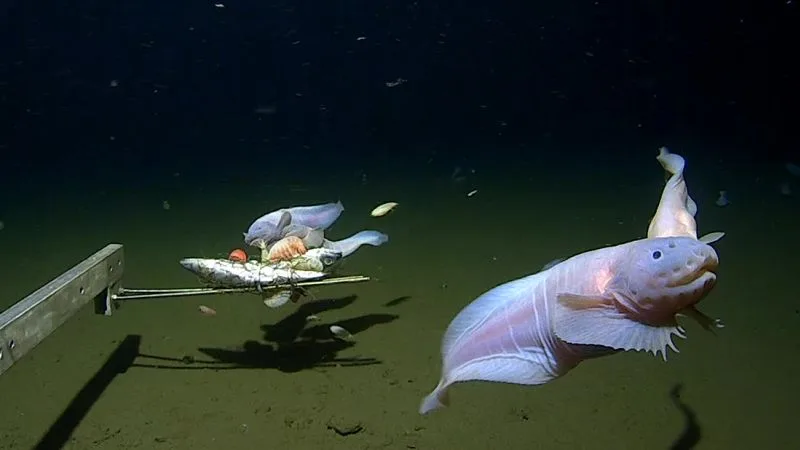
Scientists have made a groundbreaking discovery in the northern Pacific Ocean, capturing footage of the deepest fish ever recorded. The young snailfish was filmed cruising at a depth of 8,336 meters, just above the seabed. This remarkable find is a result of a probe into the abyss, an area of the ocean that remains largely unexplored. The team of scientists involved in the discovery is ecstatic about the implications of their find. It's a moment that could significantly expand our knowledge of life in the deepest parts of the ocean.
The discovery was made possible by advancements in deep-sea exploration technology. The probe used by the scientists is equipped with high-definition cameras and powerful lighting systems, allowing them to capture clear footage of the fish in its natural habitat. The snailfish, a species known to inhabit deep-sea environments, was seen swimming near the bottom of the trench. The footage provides valuable insights into the behavior and physiology of deep-sea creatures. It's a glimpse into a world that's largely unknown to humans.
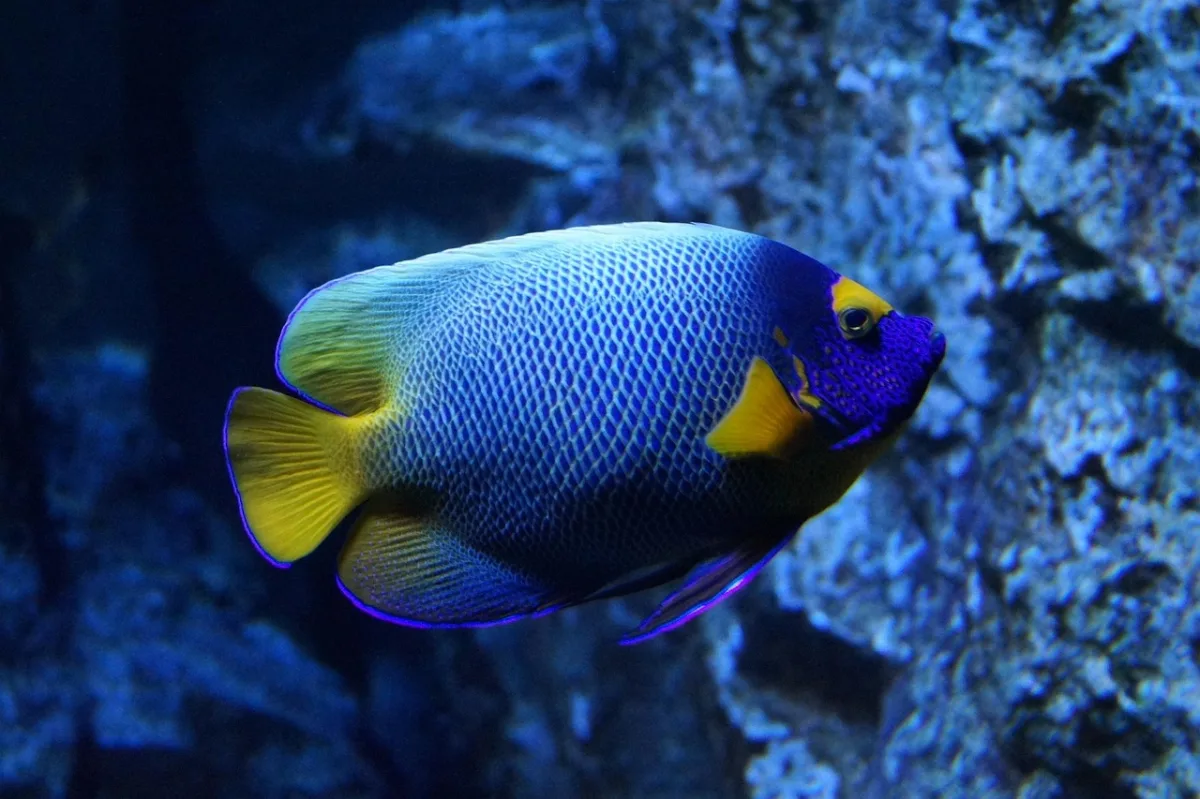
The northern Pacific Ocean is home to some of the deepest trenches on the planet, including the Mariana Trench, the deepest point in the ocean. The extreme conditions found in these areas, including near-freezing temperatures and crushing pressure, make them inhospitable to most forms of life. Yet, despite these conditions, scientists have discovered a variety of unique and fascinating creatures that call the deep sea home. The discovery of the deepest fish ever recorded is a testament to the diversity and complexity of life on Earth.
The team of scientists behind the discovery is comprised of experts from various fields, including marine biology, oceanography, and engineering. Their collaboration has resulted in a significant breakthrough in our understanding of the deep sea. The discovery is also a reminder of the importance of continued exploration and research into the world's oceans. There's still so much to learn about the deep sea and its inhabitants. And this find is just the beginning.
Key Facts
- The deepest fish ever recorded was filmed at a depth of 8,336 meters.
- The fish is a young snailfish, a species known to inhabit deep-sea environments.
- The discovery was made in the northern Pacific Ocean.
- The team of scientists used a deep-sea probe to capture footage of the fish.
- The probe is equipped with high-definition cameras and powerful lighting systems.
- The Mariana Trench, the deepest point in the ocean, is located in the northern Pacific Ocean.
- The extreme conditions found in the deep sea include near-freezing temperatures and crushing pressure.
- The discovery is a significant breakthrough in our understanding of life in the deepest parts of the ocean.
The Deep Sea: A Frontier of Exploration
The deep sea is a frontier of exploration that remains largely uncharted. Despite its importance to the health of our planet, the deep sea is still a mystery to scientists. The extreme conditions found in the deep sea make it a challenging environment to explore. However, advancements in technology have made it possible for scientists to venture deeper into the ocean than ever before. The discovery of the deepest fish ever recorded is a testament to the potential for new discoveries in the deep sea.
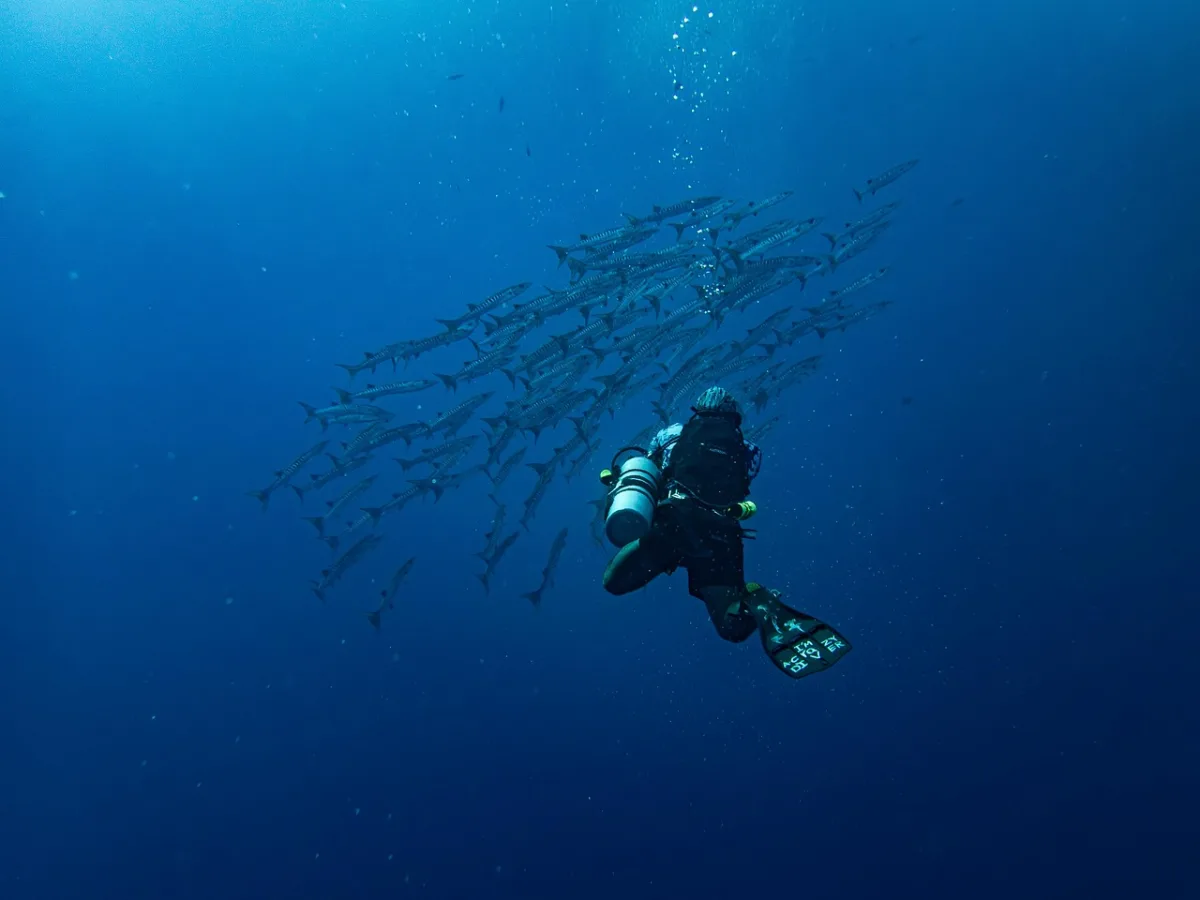
The deep sea is home to a variety of unique and fascinating creatures, many of which have never been seen before. The anglerfish, the viperfish, and the giant squid are just a few examples of the bizarre and often terrifying creatures that inhabit the deep sea. The deep sea is also home to hydrothermal vents, underwater volcanoes that support a unique community of microorganisms. These microorganisms are able to survive in the harsh conditions found near the vents, where temperatures can reach up to 400 degrees Celsius.
The exploration of the deep sea is not just about discovering new species; it's also about understanding the impact of human activity on the ocean. The deep sea is a fragile ecosystem that's vulnerable to pollution, overfishing, and climate change. Scientists are working to understand the effects of these human activities on the deep sea and its inhabitants. The discovery of the deepest fish ever recorded is a reminder of the importance of protecting the ocean and its inhabitants.
The Technology Behind the Discovery
The discovery of the deepest fish ever recorded was made possible by advancements in deep-sea exploration technology. The probe used by the scientists is a state-of-the-art piece of equipment that's capable of withstanding the extreme conditions found in the deep sea. The probe is equipped with high-definition cameras and powerful lighting systems, allowing scientists to capture clear footage of the fish in its natural habitat. The probe is also equipped with a variety of sensors, including temperature and pressure sensors, that provide valuable data about the environment.
The development of the probe is a testament to the ingenuity and creativity of the scientists and engineers involved. The probe is a complex piece of equipment that requires careful design and engineering to function properly. The scientists and engineers behind the probe have worked tirelessly to ensure that it's capable of withstanding the harsh conditions found in the deep sea. The result is a piece of equipment that's capable of capturing footage of the deepest parts of the ocean.
The technology behind the discovery is not just limited to the probe itself. The scientists involved in the discovery have also developed sophisticated software that allows them to analyze the footage and data captured by the probe. This software is capable of detecting even the smallest movements and changes in the environment, allowing scientists to gain a deeper understanding of the behavior and physiology of deep-sea creatures.
The Significance of the Discovery
The discovery of the deepest fish ever recorded is a significant breakthrough in our understanding of life in the deepest parts of the ocean. The find is a testament to the diversity and complexity of life on Earth and provides valuable insights into the behavior and physiology of deep-sea creatures. The discovery is also a reminder of the importance of continued exploration and research into the world's oceans.
The discovery of the deepest fish ever recorded is a game-changer for our understanding of the deep sea, said Dr. Maria Rodriguez, a marine biologist involved in the discovery. It's a moment that could significantly expand our knowledge of life in the deepest parts of the ocean.
The discovery is not just significant for scientists; it's also significant for the general public. The deep sea is a fascinating and often mysterious place that captures the imagination of people around the world. The discovery of the deepest fish ever recorded is a reminder of the awe-inspiring beauty and complexity of the ocean. It's a discovery that could inspire a new generation of scientists, engineers, and explorers to pursue careers in oceanography and marine biology.
The Future of Deep-Sea Exploration
The discovery of the deepest fish ever recorded is just the beginning of a new era of deep-sea exploration. Scientists are already planning new expeditions to the deep sea, using the latest technology to explore the ocean's deepest trenches. The goal is to gain a deeper understanding of the behavior and physiology of deep-sea creatures and to discover new species that have never been seen before.
The future of deep-sea exploration is exciting and full of possibilities. With the latest technology and a team of dedicated scientists, engineers, and explorers, it's possible to imagine a future where the deep sea is fully explored and understood. The discovery of the deepest fish ever recorded is a reminder of the importance of continued exploration and research into the world's oceans. It's a discovery that could lead to new breakthroughs in our understanding of the ocean and its inhabitants.
The deep sea is a frontier of exploration that remains largely uncharted. However, with the latest technology and a team of dedicated scientists, engineers, and explorers, it's possible to imagine a future where the deep sea is fully explored and understood. The discovery of the deepest fish ever recorded is just the beginning of a new era of deep-sea exploration. And it's an exciting time to be a part of it.
Conclusion
The discovery of the deepest fish ever recorded is a significant breakthrough in our understanding of life in the deepest parts of the ocean. The find is a testament to the diversity and complexity of life on Earth and provides valuable insights into the behavior and physiology of deep-sea creatures. The discovery is also a reminder of the importance of continued exploration and research into the world's oceans. As scientists continue to explore the deep sea, it's likely that we'll discover even more fascinating creatures and gain a deeper understanding of the ocean and its inhabitants.