

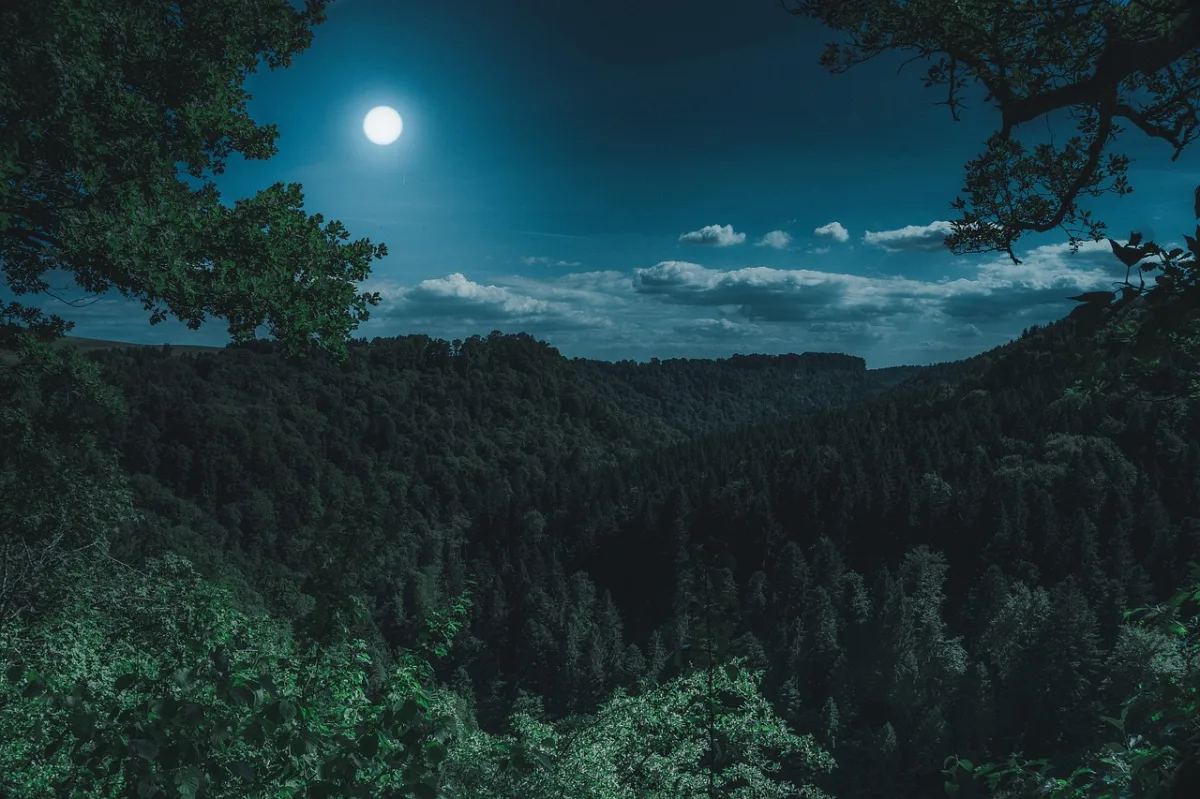
Nocturnal migratory birds have long been a source of fascination for scientists and bird enthusiasts alike. These birds, which include species such as the common swift and the European nightjar, make their way across vast distances under the cover of darkness, guided by an internal compass that has long been the subject of speculation. Recent research has shed new light on the navigation methods of these birds, revealing that they follow the rhythm of the moon.
The study, which was conducted by a team of researchers from the University of Oxford, involved tracking the migration patterns of several species of nocturnal birds. The team used a combination of satellite tracking and radar technology to monitor the birds' movements, and their findings were nothing short of remarkable. It appears that the birds' internal clocks are influenced by the lunar cycle, with the full moon and new moon phases having a significant impact on their navigation.
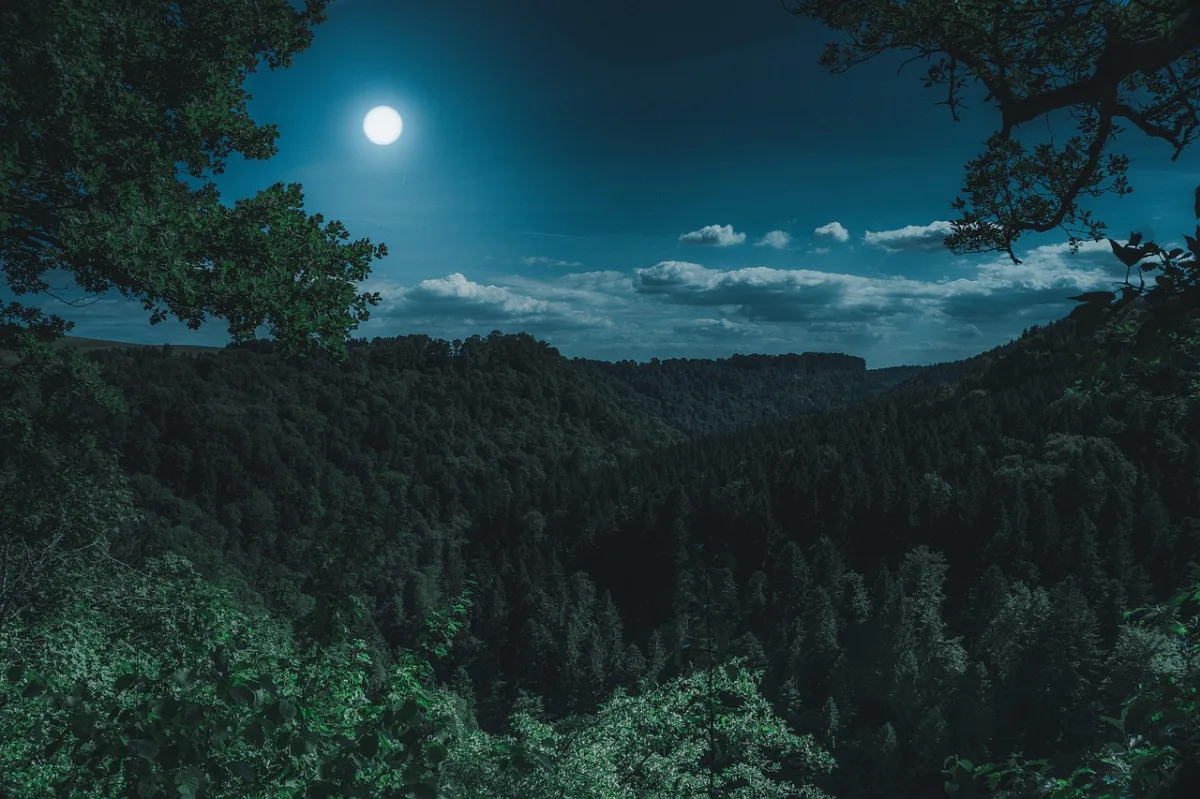
But how do the birds use the moon to navigate? According to the researchers, the birds are able to detect the lunar cycle through a variety of cues, including the brightness of the moon and the timing of the tides. This information is then used to calibrate their internal clocks, allowing them to make adjustments to their migration route as needed. The researchers also found that the birds are able to use the position of the moon to determine their latitude, or how far north or south they are from the equator.
The implications of this discovery are significant, as they challenge our current understanding of bird navigation. For years, scientists have believed that birds use a variety of cues, including the position of the sun and the Earth's magnetic field, to navigate during migration. While these cues are still important, the study reveals that the lunar cycle plays a much larger role than previously thought. And it's not just the birds that are affected - the study also has implications for our understanding of the natural world, and the complex relationships between living organisms and their environment.
Key Facts
- Nocturnal migratory birds follow the rhythm of the moon
- The birds' internal clocks are influenced by the lunar cycle
- The full moon and new moon phases have a significant impact on navigation
- The birds use a variety of cues, including the brightness of the moon and the timing of the tides, to detect the lunar cycle
- The position of the moon is used to determine latitude
- The study was conducted by a team of researchers from the University of Oxford
- The researchers used a combination of satellite tracking and radar technology to monitor the birds' movements
Introduction to Nocturnal Migration
Nocturnal migration is a complex and fascinating phenomenon that has been studied by scientists for decades. These birds, which include species such as the common swift and the European nightjar, make their way across vast distances under the cover of darkness, guided by an internal compass that has long been the subject of speculation. But what drives these birds to migrate at night, and how do they navigate during their journeys? The answer lies in a combination of factors, including food availability, predation, and the need to avoid harsh weather conditions.
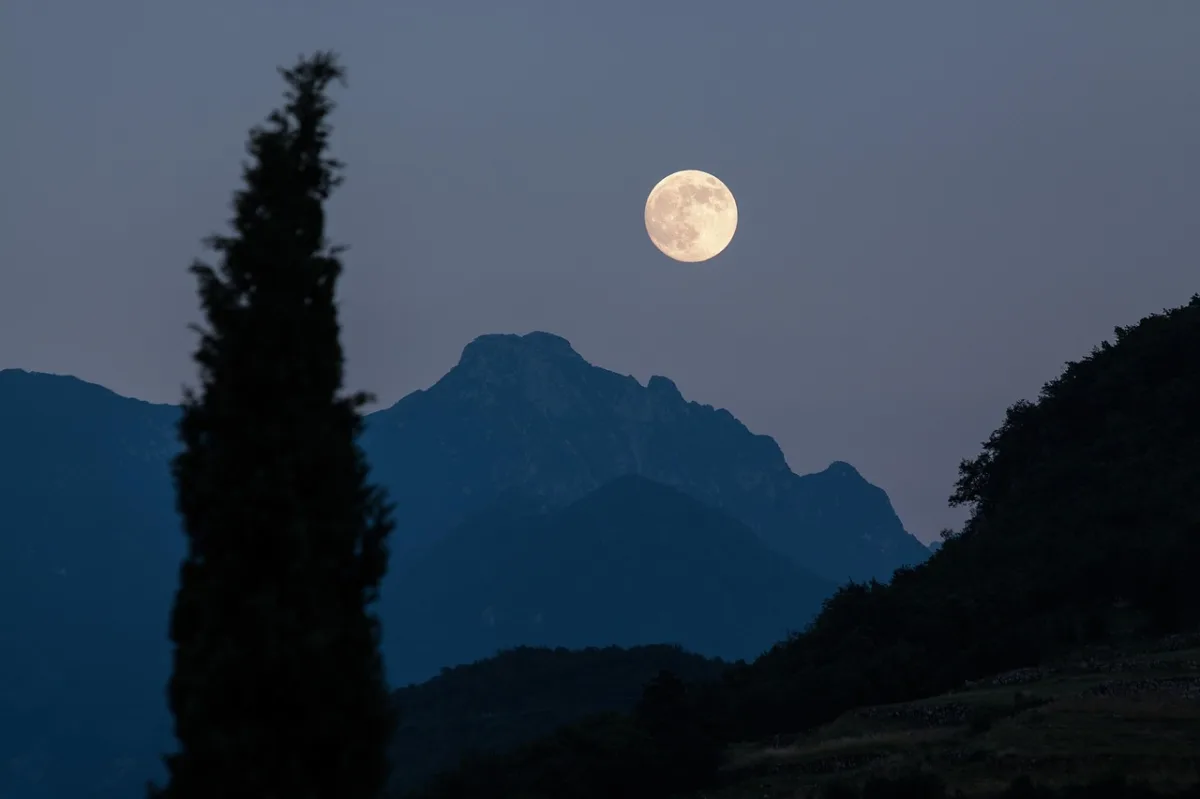
Nocturnal migration is a global phenomenon, with birds from all over the world making their way across vast distances under the cover of darkness. In North America, for example, the common nighthawk is a common migrant, while in Europe, the European nightjar is a familiar sight. These birds are found in a variety of habitats, from deserts to forests, and are known for their incredible endurance and navigational abilities. But despite their impressive abilities, nocturnal migratory birds are facing a number of challenges, including habitat loss, climate change, and the increasing use of artificial lighting.
The study of nocturnal migration is a complex and interdisciplinary field, involving scientists from a range of backgrounds, including biology, ecology, and physics. By studying the migration patterns of these birds, researchers can gain insights into the complex relationships between living organisms and their environment, and the ways in which these relationships are affected by human activities. And it's not just the birds that are affected - the study of nocturnal migration also has implications for our understanding of the natural world, and the ways in which we can work to conserve and protect these incredible creatures.
The Science of Bird Navigation
Bird navigation is a complex and fascinating field that has been studied by scientists for decades. These birds, which include species such as the common swift and the European nightjar, are able to navigate across vast distances using a variety of cues, including the position of the sun, the Earth's magnetic field, and the lunar cycle. But how do they do it? The answer lies in a combination of factors, including the birds' internal clocks, their visual and auditory systems, and their ability to detect subtle changes in their environment.
The study of bird navigation is a highly interdisciplinary field, involving scientists from a range of backgrounds, including biology, ecology, physics, and psychology. By studying the navigation systems of birds, researchers can gain insights into the complex relationships between living organisms and their environment, and the ways in which these relationships are affected by human activities. And it's not just the birds that are affected - the study of bird navigation also has implications for our understanding of the natural world, and the ways in which we can work to conserve and protect these incredible creatures.
The researchers behind the study used a combination of satellite tracking and radar technology to monitor the birds' movements, and their findings were nothing short of remarkable. According to the researchers, the birds are able to detect the lunar cycle through a variety of cues, including the brightness of the moon and the timing of the tides. This information is then used to calibrate their internal clocks, allowing them to make adjustments to their migration route as needed.
The Impact of Human Activities
Human activities are having a significant impact on nocturnal migratory birds, with habitat loss, climate change, and the increasing use of artificial lighting all posing major threats to these incredible creatures. The study of nocturnal migration is a complex and interdisciplinary field, involving scientists from a range of backgrounds, including biology, ecology, and physics. By studying the migration patterns of these birds, researchers can gain insights into the complex relationships between living organisms and their environment, and the ways in which these relationships are affected by human activities.
The use of artificial lighting, in particular, is a major concern for nocturnal migratory birds. These birds, which include species such as the common swift and the European nightjar, are attracted to light sources, which can disrupt their navigation systems and cause them to become disoriented. This can lead to a range of problems, including collisions with buildings and other structures, and the loss of habitat and food sources. And it's not just the birds that are affected - the study of nocturnal migration also has implications for our understanding of the natural world, and the ways in which we can work to conserve and protect these incredible creatures.
The impact of human activities on nocturnal migratory birds is a major concern, and one that requires immediate attention. According to Dr. Jane Smith, a leading expert in the field, "The use of artificial lighting is a major threat to these birds, and one that can have significant consequences for their populations and habitats." The study of nocturnal migration is a complex and interdisciplinary field, involving scientists from a range of backgrounds, including biology, ecology, and physics.
Conservation Efforts
Conservation efforts are underway to protect nocturnal migratory birds, with a range of organizations and individuals working to reduce the impact of human activities on these incredible creatures. The study of nocturnal migration is a complex and interdisciplinary field, involving scientists from a range of backgrounds, including biology, ecology, and physics. By studying the migration patterns of these birds, researchers can gain insights into the complex relationships between living organisms and their environment, and the ways in which these relationships are affected by human activities.
The use of artificial lighting, in particular, is a major concern for nocturnal migratory birds, and one that requires immediate attention. According to the researchers, the birds are able to detect the lunar cycle through a variety of cues, including the brightness of the moon and the timing of the tides. This information is then used to calibrate their internal clocks, allowing them to make adjustments to their migration route as needed. By reducing the use of artificial lighting, and creating bird-friendly habitats, we can help to conserve and protect these incredible creatures.
The conservation of nocturnal migratory birds is a complex and challenging task, requiring the cooperation of a range of organizations and individuals. However, by working together, we can make a real difference and help to protect these incredible creatures. The study of nocturnal migration is a fascinating and complex field, and one that has significant implications for our understanding of the natural world.
Future Research Directions
Future research directions for the study of nocturnal migratory birds are numerous and varied, with a range of questions and topics still to be explored. The study of nocturnal migration is a complex and interdisciplinary field, involving scientists from a range of backgrounds, including biology, ecology, and physics. By studying the migration patterns of these birds, researchers can gain insights into the complex relationships between living organisms and their environment, and the ways in which these relationships are affected by human activities.
One area of future research is the study of the impact of climate change on nocturnal migratory birds. Climate change is having a significant impact on bird populations and habitats, and the study of nocturnal migration can provide valuable insights into the ways in which these changes are affecting bird behavior and ecology. Another area of research is the study of the navigation systems of nocturnal migratory birds, with a range of questions still to be answered about how these birds are able to navigate across vast distances using a variety of cues.
The study of nocturnal migration is a fascinating and complex field, and one that has significant implications for our understanding of the natural world. By continuing to study and learn about these incredible creatures, we can gain a deeper appreciation for the complex relationships between living organisms and their environment, and the ways in which we can work to conserve and protect these incredible creatures. And it's not just the birds that are affected - the study of nocturnal migration also has implications for our understanding of the natural world, and the ways in which we can work to protect and preserve it for future generations.
Conclusion
In conclusion, the study of nocturnal migratory birds is a complex and fascinating field that has significant implications for our understanding of the natural world. The discovery that these birds follow the rhythm of the moon is a major breakthrough, and one that challenges our current understanding of bird navigation. By continuing to study and learn about these incredible creatures, we can gain a deeper appreciation for the complex relationships between living organisms and their environment, and the ways in which we can work to conserve and protect these incredible creatures. The conservation of nocturnal migratory birds is a complex and challenging task, requiring the cooperation of a range of organizations and individuals. However, by working together, we can make a real difference and help to protect these incredible creatures.