


The city of Abuja, Nigeria's capital, is known for its vibrant culture and bustling streets. Yet, beneath its surface, a different story unfolds. Recently, troops of the Guards Brigade, Nigerian Army, made a significant discovery that sheds light on the country's ongoing security challenges. In a collaborative effort with operatives of the Office of the National Security Adviser (ONSA), they intercepted a suspected ammunition courier along the Abaji–Kwali Road in the Federal Capital Territory (FCT). This operation resulted in the recovery of 250 rounds of ammunition.
The Abaji–Kwali Road, a major thoroughfare in the FCT, is a critical route that connects several key areas of the city. Its importance makes it a prime target for those seeking to destabilize the region. The interception of the ammunition courier is a testament to the vigilance and dedication of the Nigerian Army and the ONSA. By working together, they were able to prevent a potentially disastrous situation from unfolding. The recovery of 250 rounds of ammunition is a significant haul, and it's a clear indication that the security forces are taking proactive steps to address the security challenges facing the country.

The Nigerian Army has been at the forefront of the country's efforts to combat insecurity. With its highly trained personnel and sophisticated equipment, the army has been working tirelessly to protect the nation's citizens and maintain law and order. The Guards Brigade, in particular, has been instrumental in maintaining security in the FCT. Their collaboration with the ONSA is a prime example of the interagency cooperation that is necessary to effectively address the complex security challenges facing the country.
The Office of the National Security Adviser (ONSA) plays a crucial role in coordinating the country's security efforts. As the principal adviser to the President on matters of national security, the ONSA is responsible for developing and implementing policies that ensure the safety and security of the nation. By working closely with the Nigerian Army and other security agencies, the ONSA is able to provide strategic guidance and support to help combat insecurity.
Key Facts
- The Nigerian Army's Guards Brigade intercepted a suspected ammunition courier in Abuja.
- The operation was carried out in collaboration with operatives of the Office of the National Security Adviser (ONSA).
- 250 rounds of ammunition were recovered during the operation.
- The incident occurred along the Abaji–Kwali Road in the Federal Capital Territory (FCT).
- The Nigerian Army has been working to combat insecurity in the country.
- The ONSA is responsible for coordinating the country's security efforts.
Background on the Nigerian Army
The Nigerian Army is the largest component of the Nigerian Armed Forces. With a long history dating back to 1960, the army has been involved in various military operations, both within and outside the country. The army's primary responsibility is to protect the nation's sovereignty and territorial integrity. To achieve this, the army is divided into several divisions, each with its own area of responsibility. The Guards Brigade, which was involved in the interception of the ammunition courier, is one of the most elite units in the army.
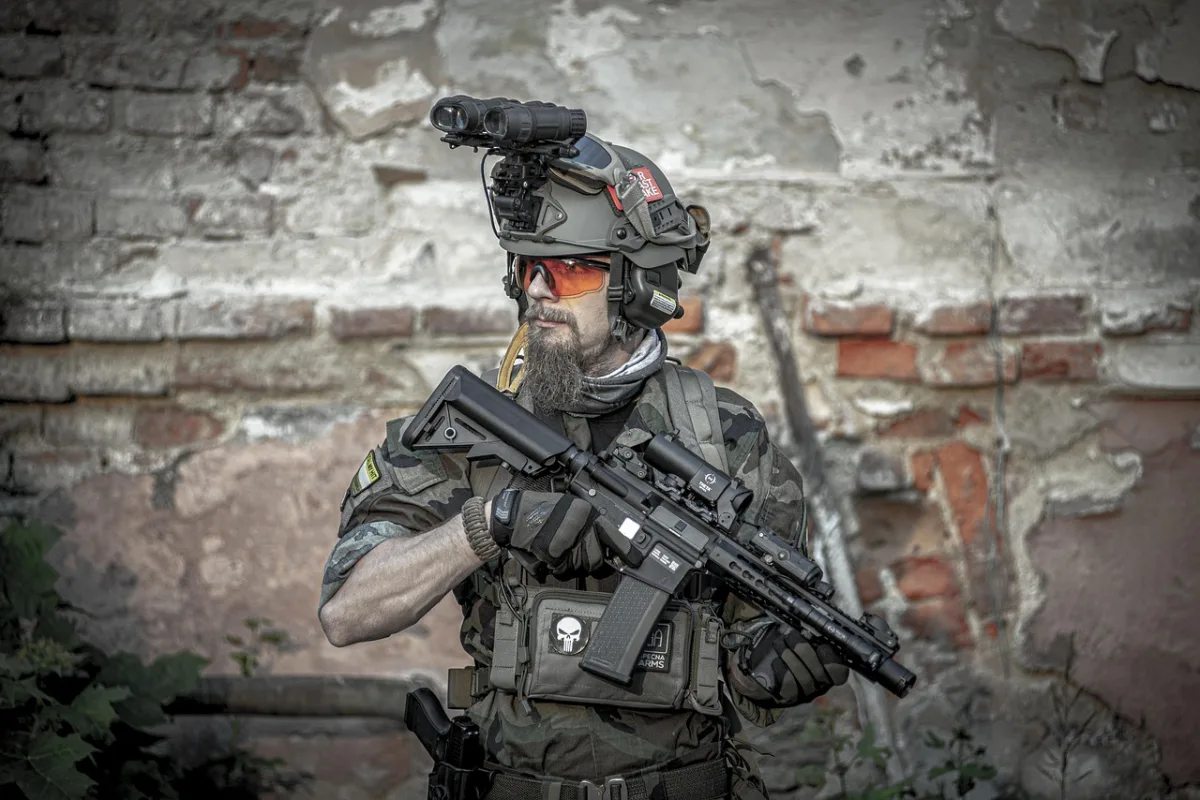
The Nigerian Army has undergone significant transformations over the years. From its early days as a small, poorly equipped force to its current status as a highly trained and well-equipped army, the institution has come a long way. Despite facing numerous challenges, including inadequate funding and logistical constraints, the army has continued to evolve and adapt to the changing security landscape. The army's ability to work effectively with other security agencies, such as the ONSA, is a testament to its growing professionalism and commitment to addressing the country's security challenges.
The army's collaboration with the ONSA is a key aspect of its efforts to combat insecurity. By working together, the two institutions are able to share intelligence and coordinate their efforts to prevent and respond to security threats. This interagency cooperation is critical in addressing the complex security challenges facing the country, which often require a multifaceted approach. The Nigerian Army's willingness to work with other agencies is a positive development, and it's an indication that the institution is committed to finding effective solutions to the country's security problems.
The Role of the ONSA
The Office of the National Security Adviser (ONSA) plays a vital role in coordinating the country's security efforts. As the principal adviser to the President on matters of national security, the ONSA is responsible for developing and implementing policies that ensure the safety and security of the nation. The ONSA works closely with the Nigerian Army and other security agencies to provide strategic guidance and support. This includes sharing intelligence, coordinating operations, and providing logistical support.
The ONSA's role in the interception of the ammunition courier is a prime example of its importance in the country's security architecture. By working closely with the Nigerian Army, the ONSA was able to provide critical support and guidance that helped to ensure the success of the operation. The ONSA's ability to coordinate the efforts of different security agencies is a key aspect of its role, and it's an indication of the institution's growing influence in the country's security landscape.
The ONSA's influence extends beyond the security sector. The institution also plays a critical role in shaping the country's foreign policy and diplomatic efforts. By providing strategic guidance and support to the President, the ONSA helps to ensure that the country's foreign policy is aligned with its national security interests. This includes working with international partners to address common security challenges and promoting the country's interests abroad.
Security Challenges in Nigeria
Nigeria faces numerous security challenges, ranging from terrorism and insurgency to banditry and kidnapping. The country's security landscape is complex, and it requires a multifaceted approach to address. The Nigerian Army and other security agencies have been working tirelessly to combat these challenges, but more needs to be done. The interception of the ammunition courier is a positive development, but it's only one part of a larger effort to address the country's security challenges.
The Boko Haram insurgency, which has been ongoing for over a decade, is one of the most significant security challenges facing the country. The group's ability to launch attacks on civilian and military targets has made it a major threat to national security. The Nigerian Army has been at the forefront of the efforts to combat the insurgency, but the group's ability to adapt and evolve has made it a difficult foe to defeat. The recovery of 250 rounds of ammunition is a significant haul, but it's only one part of a larger effort to disrupt the group's supply chains and weaken its ability to launch attacks.
The security challenges facing Nigeria are not limited to the northeastern part of the country, where the Boko Haram insurgency is most active. Other parts of the country are also experiencing security challenges, including banditry and kidnapping. The Nigerian Army and other security agencies are working to address these challenges, but more needs to be done. The interception of the ammunition courier is a positive development, but it's only one part of a larger effort to improve security across the country.
The Importance of Interagency Cooperation
The interception of the ammunition courier is a prime example of the importance of interagency cooperation in addressing the country's security challenges. By working together, the Nigerian Army and the ONSA were able to share intelligence and coordinate their efforts to prevent and respond to security threats. This interagency cooperation is critical in addressing the complex security challenges facing the country, which often require a multifaceted approach.
The ability of security agencies to work together is critical in addressing the country's security challenges. As one security expert noted, "Interagency cooperation is essential in addressing the complex security challenges facing Nigeria. By working together, security agencies can share intelligence and coordinate their efforts to prevent and respond to security threats."
The interception of the ammunition courier is a testament to the growing professionalism and cooperation between the Nigerian Army and other security agencies. The operation was a success because of the effective coordination and communication between the different agencies involved. The recovery of 250 rounds of ammunition is a significant haul, and it's an indication that the security agencies are taking proactive steps to address the country's security challenges.
The Way Forward
The interception of the ammunition courier is a positive development, but it's only one part of a larger effort to address the country's security challenges. The Nigerian Army and other security agencies must continue to work together to share intelligence and coordinate their efforts to prevent and respond to security threats. The ONSA's role in coordinating the country's security efforts is critical, and the institution must continue to provide strategic guidance and support to the security agencies.
The Nigerian government must also take steps to address the root causes of the country's security challenges. This includes addressing issues such as poverty, unemployment, and inequality, which are often the driving factors behind insecurity. By addressing these issues, the government can help to reduce the appeal of extremist groups and other criminal organizations that are seeking to destabilize the country. The interception of the ammunition courier is a positive development, but it's only one part of a larger effort to improve security across the country.
The international community also has a role to play in supporting Nigeria's efforts to address its security challenges. This includes providing training and equipment to the country's security agencies, as well as sharing intelligence and coordinating efforts to address common security challenges. The interception of the ammunition courier is a testament to the growing cooperation between Nigeria and its international partners, and it's an indication that the country is taking proactive steps to address its security challenges.
Conclusion
The interception of the ammunition courier in Abuja is a significant development in the country's efforts to address its security challenges. The operation, which was carried out by the Nigerian Army and the ONSA, resulted in the recovery of 250 rounds of ammunition. The incident is a testament to the growing professionalism and cooperation between the Nigerian Army and other security agencies, and it's an indication that the country is taking proactive steps to address its security challenges. The Nigerian government and its international partners must continue to work together to address the root causes of the country's security challenges and provide support to the security agencies to help them combat insecurity.
The security challenges facing Nigeria are complex and multifaceted, and they require a comprehensive approach to address. The interception of the ammunition courier is a positive development, but it's only one part of a larger effort to improve security across the country. The Nigerian Army, the ONSA, and other security agencies must continue to work together to share intelligence and coordinate their efforts to prevent and respond to security threats. The international community also has a role to play in supporting Nigeria's efforts to address its security challenges, and it's essential that the country receives the support it needs to combat insecurity.
The future of Nigeria's security landscape is uncertain, but one thing is clear: the country needs to continue to take proactive steps to address its security challenges. The interception of the ammunition courier is a positive development, and it's an indication that the country is moving in the right direction. However, more needs to be done to address the root causes of insecurity and provide support to the security agencies to help them combat extremism and other security threats. The Nigerian government, the security agencies, and the international community must work together to ensure that the country is able to overcome its security challenges and achieve lasting peace and stability.