

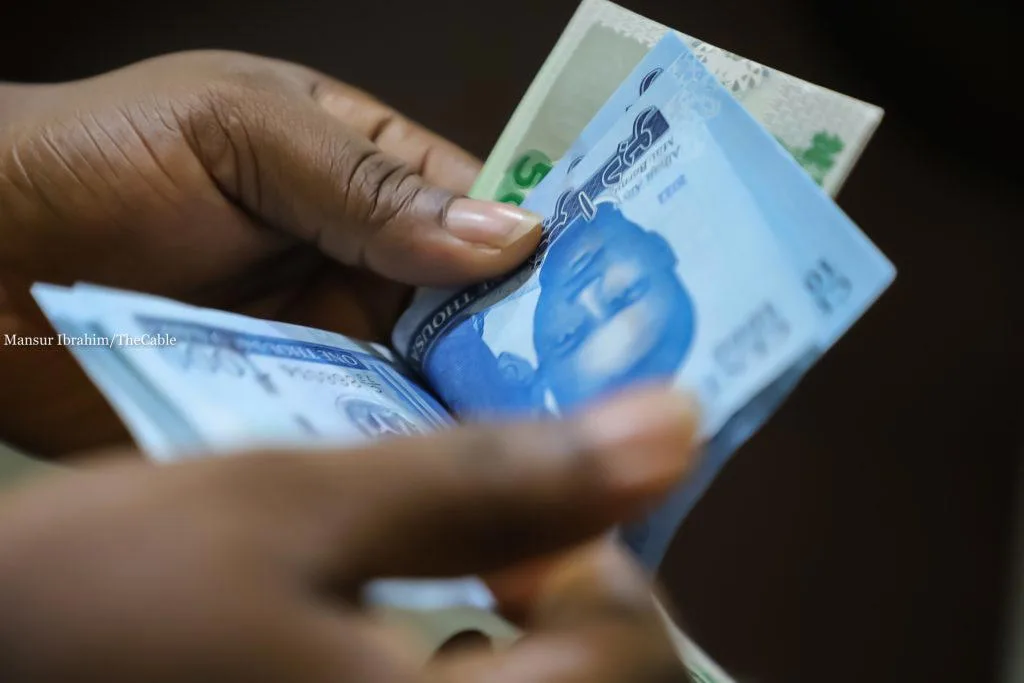
The Naira's value has dropped to N1,380 per dollar in the parallel market. This is a N4 depreciation from last weekend's rate of N1,376 per dollar.
And it isn't just the parallel market that's seen a drop. The Nigerian Foreign Exchange Market, also known as the NFEM, has also experienced a depreciation of the Naira to N1,377 per dollar. According to data from the Central Bank of Nigeria, the indicative exchange rate rose to N1,377 per dollar from N1,375 per dollar last week Friday.
But what led to this change? The Central Bank of Nigeria's data shows that the margin between the parallel and official markets has widened to N3 per dollar from N1 per dollar last weekend. This change could have significant effects on Nigeria's economy and the way people and businesses exchange currency. The Nigerian economy won't be the same if this trend continues.
It's also essential to look at the larger context. The turnover in the interbank foreign exchange market has declined by 10.5 percent to $55.8 million from $62.34 million last weekend. This is a significant drop. It could have implications for businesses and individuals who rely on foreign exchange.
Elizabeth Adegbesan, the author of the report, notes that these changes could have far-reaching effects on the Nigerian economy. As the Naira continues to depreciate, it's essential to understand the causes and potential consequences of this change. We can't ignore the potential consequences.
The Naira's depreciation could lead to increased prices for imported goods. It could also lead to potentially higher inflation. It could affect businesses that rely on foreign exchange, such as those in the import/export industry. They're likely to feel the impact of the depreciation.
Key Facts
- The Naira has depreciated to N1,380 per dollar in the parallel market.
- The Nigerian Foreign Exchange Market has seen a depreciation of the Naira to N1,377 per dollar.
- The margin between the parallel and official markets has widened to N3 per dollar from N1 per dollar last weekend.
- The turnover in the interbank foreign exchange market has declined by 10.5 percent to $55.8 million from $62.34 million last weekend.
As the situation continues to unfold, it's crucial to monitor the Naira's value and its effects on the Nigerian economy. The Central Bank of Nigeria will likely play a significant role in managing the foreign exchange market. They'll try to mitigate the impact of the Naira's depreciation.
The Nigerian government may also need to implement policies to address the depreciation of the Naira. They might need to implement policies to address the potential effects on the economy. This could include measures to increase foreign exchange reserves. It could also include measures to reduce reliance on imports and promote export-led growth. They don't have many options, but they can try these measures.
The Naira's depreciation to N1,380 per dollar in the parallel market is a significant development. It could have far-reaching implications for the Nigerian economy. As the situation continues to unfold, it's essential to stay informed. We should monitor the latest developments. The future of the Nigerian economy depends on it, and it's crucial to understand what's happening.