

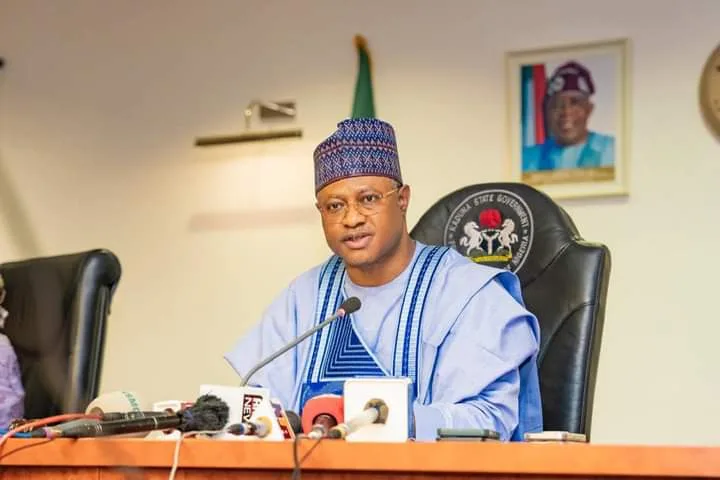
The Kaduna state government has taken a crucial step towards addressing the security challenges in the region by inaugurating a disarmament, demobilisation, and reintegration committee. This committee was established based on a recommendation from the North West DDR Regional Consultation, which aimed to find solutions to the growing insecurity in the area. The move is significant, as it shows the government's commitment to tackling the root causes of violence and instability. By establishing this committee, the government hopes to create a safer environment for its citizens. The committee's primary goal is to disarm and demobilise armed groups, and then reintegrate them into society.
The security situation in Kaduna state has been a major concern for the government and residents alike. The region has experienced a surge in violent attacks, kidnappings, and banditry, which have left many people displaced and affected. The government has been under pressure to find a solution to the crisis, and the establishment of the disarmament committee is seen as a positive step. The committee will work closely with local communities, security agencies, and other stakeholders to identify the causes of the violence and develop strategies to address them. This approach is crucial, as it recognizes that the security challenges in the region are complex and require a multi-faceted solution.
The North West DDR Regional Consultation, which recommended the establishment of the disarmament committee, was a significant event that brought together stakeholders from across the region. The consultation provided a platform for discussion and debate, and it helped to identify the key challenges facing the region. By working together, the stakeholders were able to develop a comprehensive plan to address the security concerns, and the establishment of the disarmament committee is a key part of this plan. The committee's work will be critical in helping to reduce violence and promote stability in the region. The government has pledged to support the committee and provide the necessary resources to ensure its success.
The disarmament, demobilisation, and reintegration process is a complex one, and it requires careful planning and execution. The committee will need to work closely with local communities to build trust and confidence, and to develop strategies that address the root causes of the violence. This may involve providing support to former combatants, such as education and job training, to help them reintegrate into society. The committee will also need to work with security agencies to ensure that those who are disarmed and demobilised are not able to return to their violent activities. This is a challenging task, but it is essential if the region is to achieve lasting peace and stability.
Key Facts
- The Kaduna state government has inaugurated a disarmament, demobilisation, and reintegration committee.
- The committee was established based on a recommendation from the North West DDR Regional Consultation.
- The committee's primary goal is to disarm and demobilise armed groups, and then reintegrate them into society.
- The security situation in Kaduna state has been a major concern for the government and residents.
- The region has experienced a surge in violent attacks, kidnappings, and banditry.
- The government has pledged to support the committee and provide the necessary resources to ensure its success.
- The disarmament, demobilisation, and reintegration process is a complex one, and it requires careful planning and execution.
Background to the Security Crisis
The security crisis in Kaduna state is a complex issue, with deep-rooted causes. The region has a long history of ethnic and religious tensions, which have often boiled over into violence. In recent years, the situation has been exacerbated by the rise of banditry and kidnapping, which have become major security concerns. The government has struggled to respond effectively to the crisis, and the situation has continued to deteriorate. The establishment of the disarmament committee is seen as a positive step, but it will require careful planning and execution if it is to be successful.
The security crisis in Kaduna state has had a devastating impact on local communities. Many people have been displaced, and others have been affected by the violence. The crisis has also had a significant economic impact, as businesses have been forced to close and trade has been disrupted. The government has faced criticism for its handling of the crisis, with many accusing it of being slow to respond and ineffective in its efforts to address the root causes of the violence. The establishment of the disarmament committee is seen as a positive step, but it will need to be backed up by concrete action if it is to be successful.
The North West DDR Regional Consultation, which recommended the establishment of the disarmament committee, was a significant event that brought together stakeholders from across the region. The consultation provided a platform for discussion and debate, and it helped to identify the key challenges facing the region. By working together, the stakeholders were able to develop a comprehensive plan to address the security concerns, and the establishment of the disarmament committee is a key part of this plan. The committee's work will be critical in helping to reduce violence and promote stability in the region.
The Disarmament Process
The disarmament process is a complex and challenging one, requiring careful planning and execution. The committee will need to work closely with local communities to build trust and confidence, and to develop strategies that address the root causes of the violence. This may involve providing support to former combatants, such as education and job training, to help them reintegrate into society. The committee will also need to work with security agencies to ensure that those who are disarmed and demobilised are not able to return to their violent activities.
The disarmament process will also require the establishment of a robust monitoring and verification system, to ensure that those who are disarmed and demobilised do not return to their violent activities. This will involve working closely with local communities and security agencies, to identify and track those who have been disarmed and demobilised. The committee will also need to develop strategies to address the root causes of the violence, such as poverty and unemployment, which have contributed to the rise of banditry and kidnapping.
The disarmament process is a critical step towards reducing violence and promoting stability in the region. However, it will require careful planning and execution, and the committee will need to work closely with local communities and security agencies to ensure its success. The government has pledged to support the committee and provide the necessary resources to ensure its success.
The Role of the Government
The government has a critical role to play in supporting the disarmament committee and ensuring its success. This will involve providing the necessary resources, including funding and personnel, to support the committee's work. The government will also need to work closely with local communities and security agencies, to develop strategies that address the root causes of the violence. This may involve providing support to former combatants, such as education and job training, to help them reintegrate into society.
The government has faced criticism for its handling of the security crisis, with many accusing it of being slow to respond and ineffective in its efforts to address the root causes of the violence. However, the establishment of the disarmament committee is seen as a positive step, and the government has pledged to support the committee and provide the necessary resources to ensure its success. The government will need to work closely with the committee and other stakeholders, to develop a comprehensive plan to address the security concerns and promote stability in the region.
The government's role in supporting the disarmament committee will be critical to its success. The committee will need to work closely with the government, to develop strategies that address the root causes of the violence and promote stability in the region. The government will also need to provide the necessary resources, including funding and personnel, to support the committee's work.
The Impact on Local Communities
The security crisis in Kaduna state has had a devastating impact on local communities. Many people have been displaced, and others have been affected by the violence. The crisis has also had a significant economic impact, as businesses have been forced to close and trade has been disrupted. The establishment of the disarmament committee is seen as a positive step, but it will need to be backed up by concrete action if it is to be successful.
The disarmament process will have a significant impact on local communities, as it will help to reduce violence and promote stability in the region. The committee will need to work closely with local communities, to develop strategies that address the root causes of the violence and promote stability in the region. This may involve providing support to former combatants, such as education and job training, to help them reintegrate into society.
The disarmament process is a critical step towards reducing violence and promoting stability in the region. It will require careful planning and execution, and the committee will need to work closely with local communities and security agencies to ensure its success. The government has pledged to support the committee and provide the necessary resources to ensure its success.
The Way Forward
The establishment of the disarmament committee is a positive step towards addressing the security concerns in Kaduna state. However, it will need to be backed up by concrete action if it is to be successful. The committee will need to work closely with local communities and security agencies, to develop strategies that address the root causes of the violence and promote stability in the region. The government will also need to provide the necessary resources, including funding and personnel, to support the committee's work.
The way forward will require careful planning and execution, as well as a commitment to addressing the root causes of the violence. The committee will need to work closely with local communities, to develop strategies that promote stability and reduce violence in the region. The government will also need to play a critical role, by providing the necessary resources and support to ensure the committee's success.
The establishment of the disarmament committee is a significant step towards promoting stability and reducing violence in Kaduna state. However, it will require careful planning and execution, as well as a commitment to addressing the root causes of the violence. The committee will need to work closely with local communities and security agencies, to develop strategies that promote stability and reduce violence in the region. The government will also need to provide the necessary resources, including funding and personnel, to support the committee's work.
Conclusion
The security crisis in Kaduna state is a complex issue, with deep-rooted causes. The establishment of the disarmament committee is a positive step towards addressing the security concerns, but it will need to be backed up by concrete action if it is to be successful. The committee will need to work closely with local communities and security agencies, to develop strategies that address the root causes of the violence and promote stability in the region. The government will also need to provide the necessary resources, including funding and personnel, to support the committee's work.
The disarmament process is a critical step towards reducing violence and promoting stability in the region. It will require careful planning and execution, and the committee will need to work closely with local communities and security agencies to ensure its success. The government has pledged to support the committee and provide the necessary resources to ensure its success. The establishment of the disarmament committee is a significant step towards promoting stability and reducing violence in Kaduna state.
The security crisis in Kaduna state has had a devastating impact on local communities, and the establishment of the disarmament committee is a positive step towards addressing the security concerns. However, it will need to be backed up by concrete action if it is to be successful. The committee will need to work closely with local communities and security agencies, to develop strategies that address the root causes of the violence and promote stability in the region. The government will also need to provide the necessary resources, including funding and personnel, to support the committee's work.
The way forward will require careful planning and execution, as well as a commitment to addressing the root causes of the violence. The committee will need to work closely with local communities, to develop strategies that promote stability and reduce violence in the region. The government will also need to play a critical role, by providing the necessary resources and support to ensure the committee's success. The establishment of the disarmament committee is a significant step towards promoting stability and reducing violence in Kaduna state.