

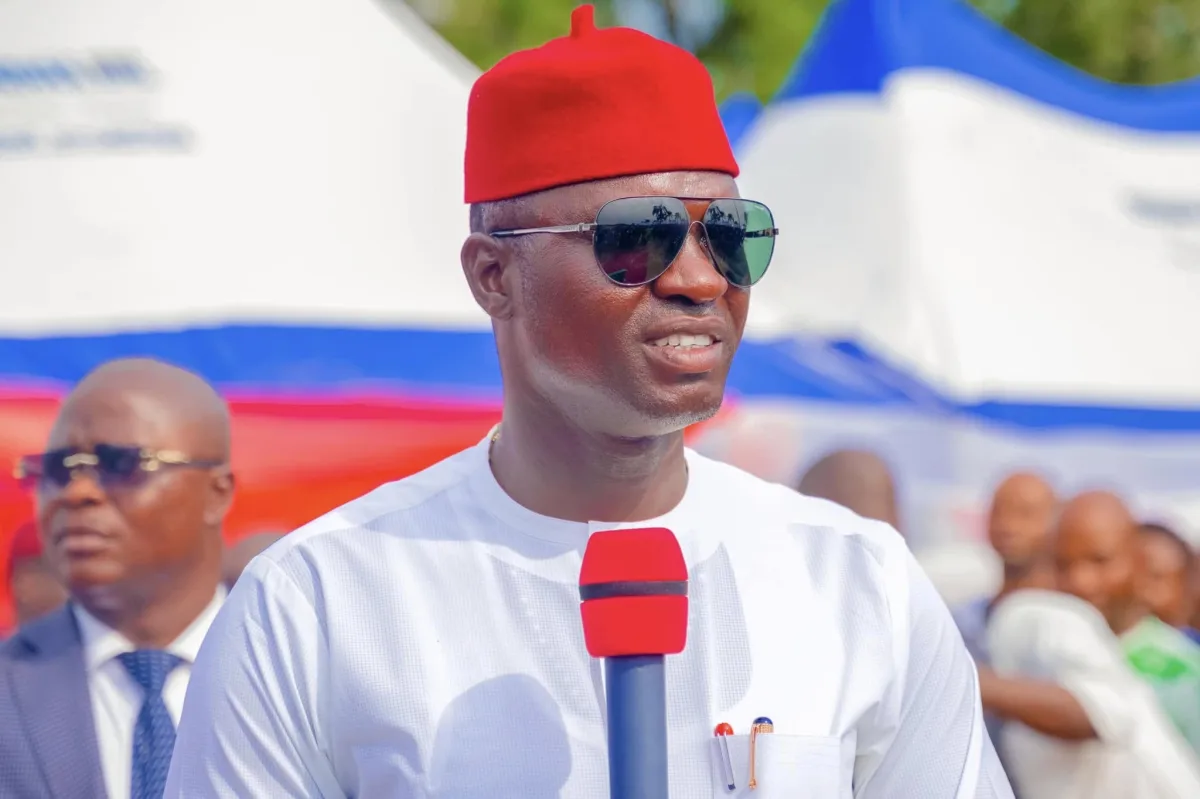
The Ebonyi state government's decision to lift the curfew imposed on some communities in the state is a significant development in the ongoing efforts to restore peace and stability in the region. The curfew was initially imposed in February 2026, following a series of deadly boundary disputes between Amasiri in Afikpo Local Government and Okporojo in Edda. The clashes, which resulted in the beheading of four people, sent shockwaves throughout the state and prompted the government to take swift action to prevent further violence. The affected communities have been living in fear, with many residents forced to stay indoors after dark. The lifting of the curfew is expected to bring some sense of relief to the people, but it's unclear whether it will be enough to address the underlying issues that led to the violence.
The boundary disputes between Amasiri and Okporojo are not new, and they have been a source of tension between the two communities for years. The disputes are often fueled by competing claims over land and resources, which are scarce in the region. The situation is further complicated by the fact that the two communities have different cultural and linguistic backgrounds, which can sometimes lead to misunderstandings and mistrust. The government has been working to resolve the disputes through dialogue and mediation, but it's a complex and challenging process. The lifting of the curfew is a positive step, but it's only the beginning of a long and difficult journey towards lasting peace.

The Ebonyi state government has been under pressure to find a solution to the boundary disputes, which have been a major concern for residents and businesses in the area. The violence has disrupted economic activities, and many people have been forced to flee their homes in search of safety. The government has deployed security personnel to the affected areas to maintain law and order, but it's clear that a more sustainable solution is needed. The lifting of the curfew is a sign that the government is committed to finding a peaceful resolution to the disputes, but it will require the cooperation and support of all stakeholders, including the communities themselves.
The situation in Ebonyi state is a reminder of the complexities and challenges of managing conflicts in Nigeria, where ethnic and cultural differences can sometimes lead to violence. The government has a critical role to play in preventing and resolving conflicts, but it's also important for communities to take ownership of the peace process. The lifting of the curfew in Ebonyi state is a positive development, but it's only the beginning of a long and difficult journey towards lasting peace and stability.
Key Facts
- The curfew was imposed in February 2026 following deadly boundary disputes between Amasiri and Okporojo communities.
- The clashes resulted in the beheading of four people.
- The Ebonyi state government has lifted the curfew as a step towards restoring peace in the affected areas.
- The boundary disputes between Amasiri and Okporojo are fueled by competing claims over land and resources.
- The government has deployed security personnel to the affected areas to maintain law and order.
- The lifting of the curfew is seen as a positive step towards restoring peace and stability in the region.
Background to the Conflict
The boundary disputes between Amasiri and Okporojo are rooted in a complex history of cultural and linguistic differences between the two communities. The disputes have been ongoing for years, with periodic outbreaks of violence. The situation is further complicated by the fact that the two communities have different traditional rulers and systems of governance, which can sometimes lead to conflicts over land and resources. The government has been working to resolve the disputes through dialogue and mediation, but it's a challenging process that requires the cooperation and support of all stakeholders.

The conflict between Amasiri and Okporojo is not an isolated incident, but rather part of a broader pattern of communal violence in Nigeria. The country has a long history of ethnic and cultural conflicts, which are often fueled by competing claims over land and resources. The government has a critical role to play in preventing and resolving conflicts, but it's also important for communities to take ownership of the peace process. The lifting of the curfew in Ebonyi state is a positive development, but it's only the beginning of a long and difficult journey towards lasting peace and stability.
The international community has been watching the situation in Ebonyi state with concern, and there have been calls for the government to take decisive action to prevent further violence. The United Nations has urged the government to prioritize the protection of human rights and to ensure that those responsible for the violence are held accountable. The situation in Ebonyi state is a reminder of the importance of addressing the root causes of conflict and of promoting sustainable peace and development.
The Role of Government
The Ebonyi state government has been under pressure to find a solution to the boundary disputes, which have been a major concern for residents and businesses in the area. The government has deployed security personnel to the affected areas to maintain law and order, but it's clear that a more sustainable solution is needed. The lifting of the curfew is a positive step, but it's only the beginning of a long and difficult journey towards lasting peace. The government has a critical role to play in preventing and resolving conflicts, but it's also important for communities to take ownership of the peace process.
The government's decision to lift the curfew is seen as a sign of its commitment to finding a peaceful resolution to the disputes. However, it's also important for the government to address the underlying issues that led to the violence. This includes providing economic opportunities and social services to the affected communities, as well as promoting dialogue and reconciliation between the two groups. The government has a responsibility to protect the rights and interests of all citizens, regardless of their ethnic or cultural background.
The government's response to the conflict has been criticized by some, who argue that it has not done enough to prevent the violence. Others have praised the government's efforts to promote peace and stability in the region. The situation in Ebonyi state is complex and multifaceted, and there are no easy solutions. However, it's clear that the government has a critical role to play in preventing and resolving conflicts, and that it must work closely with communities and other stakeholders to find a lasting solution.
Community Perspectives
The lifting of the curfew has been welcomed by many residents of the affected communities, who are eager to return to their normal lives. However, others are more cautious, and they worry that the violence could erupt again at any moment. The situation is tense, and there is a sense of unease in the air. The communities are waiting to see what the government will do next, and whether it will be able to find a lasting solution to the boundary disputes.
The government's decision to lift the curfew is a positive step, but it's only the beginning of a long and difficult journey towards lasting peace. We need to see more concrete actions from the government to address the underlying issues that led to the violence. We need to see economic opportunities and social services provided to the affected communities, as well as a genuine effort to promote dialogue and reconciliation between the two groups.
The communities are also calling for greater support from the international community, which they believe can play a critical role in promoting peace and stability in the region. The situation in Ebonyi state is a reminder of the importance of addressing the root causes of conflict and of promoting sustainable peace and development. The communities are eager to work with the government and other stakeholders to find a lasting solution to the boundary disputes, and they are hopeful that the lifting of the curfew is a sign of better things to come.
Economic Impact
The boundary disputes between Amasiri and Okporojo have had a significant economic impact on the affected communities. The violence has disrupted economic activities, and many businesses have been forced to close. The lifting of the curfew is expected to bring some relief to the economy, but it's unclear whether it will be enough to address the underlying issues that led to the violence. The government has a responsibility to promote economic development and to provide opportunities for citizens to improve their lives.
The economic impact of the conflict has been felt across the state, with many residents struggling to make ends meet. The government has been working to promote economic development, but it's a challenging process that requires the cooperation and support of all stakeholders. The lifting of the curfew is a positive step, but it's only the beginning of a long and difficult journey towards lasting peace and stability. The government must work closely with communities and other stakeholders to find a lasting solution to the boundary disputes and to promote sustainable economic development.
The international community has been watching the situation in Ebonyi state with concern, and there have been calls for the government to take decisive action to prevent further violence. The situation in Ebonyi state is a reminder of the importance of addressing the root causes of conflict and of promoting sustainable peace and development. The government has a critical role to play in preventing and resolving conflicts, but it's also important for communities to take ownership of the peace process.
Way Forward
The lifting of the curfew in Ebonyi state is a positive development, but it's only the beginning of a long and difficult journey towards lasting peace and stability. The government must work closely with communities and other stakeholders to find a lasting solution to the boundary disputes and to promote sustainable economic development. The international community has a critical role to play in supporting the government's efforts to promote peace and stability in the region.
The way forward will require a sustained effort from all stakeholders to address the underlying issues that led to the violence. This includes providing economic opportunities and social services to the affected communities, as well as promoting dialogue and reconciliation between the two groups. The government has a responsibility to protect the rights and interests of all citizens, regardless of their ethnic or cultural background. The lifting of the curfew is a positive step, but it's only the beginning of a long and difficult journey towards lasting peace.
The situation in Ebonyi state is complex and multifaceted, and there are no easy solutions. However, it's clear that the government has a critical role to play in preventing and resolving conflicts, and that it must work closely with communities and other stakeholders to find a lasting solution to the boundary disputes. The international community has a responsibility to support the government's efforts to promote peace and stability in the region, and to provide assistance to those affected by the violence. The way forward will require patience, persistence, and a commitment to finding a lasting solution to the conflict.