

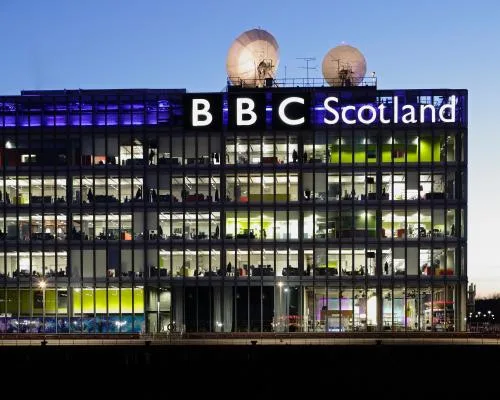
A Station in the Crosshairs
There is a proper sense of gloom hanging over the corridors of BBC Radio Scotland right now. It feels like someone has turned the lights down, and for the staff working there, it’s not just about the usual office reshuffles. A significant number of respected arts presenters have been axed from their roles, and over half of those heading for the exit are women. This isn't just a quiet change in the schedule; it’s a full-blown shift toward a more commercial vibe that has left people feeling pretty twitchy.
At the heart of this storm is Victoria Easton Riley, the new head of audio and events for the station. She arrived with a mandate to change things up, but her strategy is hitting a wall of resentment. Staff are scratching their heads, wondering why the powers-that-be seem so keen to ditch the faces that the listeners actually like. It’s the kind of decision that makes you wonder if anyone upstairs is listening to the audience at all, or if they’re too busy staring at spreadsheets.
Staff are worried we’ve lost popular women presenters at the same time as an apparent move to a more commercial sensibility.
The Changing of the Guard
This Friday marks a bitter milestone for the station’s afternoon culture coverage. Three familiar voices—singer Michelle McManus, poet Len Pennie, and music journalist Nicola Meighan—are being sent packing. What makes this move feel particularly dodgy is that their ratings were actually quite healthy, with latest Rajar figures showing their shows were doing better than ever. To replace them, the BBC is bringing in Grant Stott for the Monday to Thursday slots, with Arlene Stuart taking over Fridays.
Arlene Stuart isn't a new name to the airwaves; she’s still pulling shifts at Bauer Radio’s Forth 1. This trend of pulling talent from commercial rivals seems to be a theme under Easton Riley, who previously served as the director of content for Bauer across Scotland and Northern Ireland. It doesn’t stop there. Earlier this year, a host of specialist music shows led by Iain Anderson, Roddy Hart, Billy Sloan, and Natasha Raskin Sharp were binned. They were swept aside for a generic pop show called Up Late, fronted by Lynne Hoggan, who also maintains her ties to Bauer.
Investigations and Broken Trust
While the schedule is changing, the atmosphere in the building is being described by some as toxic. The departure of former Mornings host Kaye Adams has only poured more petrol on the fire. Adams was pushed out after internal complaints about her conduct were processed through the Call It Out scheme. This specific programme was created in the wake of high-profile controversies involving Huw Edwards and Gregg Wallace to help staff feel safer, but colleagues are now saying the scheme has lost all credibility.
Insiders suggest the investigations were plagued by leaks, turning a sensitive process into a bit of a circus. Some employees argue that the environment Adams worked in was already a mess, blaming a lack of support for inexperienced young staff who were left to fend for themselves. Adams herself has denied claims that she used a misogynistic slur or bullied an intern, telling anyone who’d listen that the accusations were just plain false. Meanwhile, Hayley Valentine, the director of BBC Scotland, has admitted that the scale of these changes is unsettling for the team.
The Numbers Don't Lie—Or Do They?
Artists are starting to kick up a fuss, too. The Scottish Music Industry Association has organised an open letter signed by over 300 people concerned about what this means for homegrown talent. A project managed by Stephen McCall of the band Constant Follower crunched the numbers from January to May, and the findings are grim. They say 23% fewer independent Scottish artists are getting airplay, and there’s a staggering 55% drop in tracks from female or female-led emerging Scottish acts compared to this time last year.
The BBC is standing by its guns, though. A spokesperson insists their internal data shows the number of Scottish tracks played is roughly the same, and they’ve pledged to keep backing unsigned bands. They also pointed to the hiring of new female presenters like Connie McLaughlin, who stepped into the role vacated by Adams, as evidence that they aren’t trying to erase women from the station. Still, with former culture secretary Angus Robertson demanding a meeting to get some answers, it’s clear the bosses have a mountain of explaining to do.