

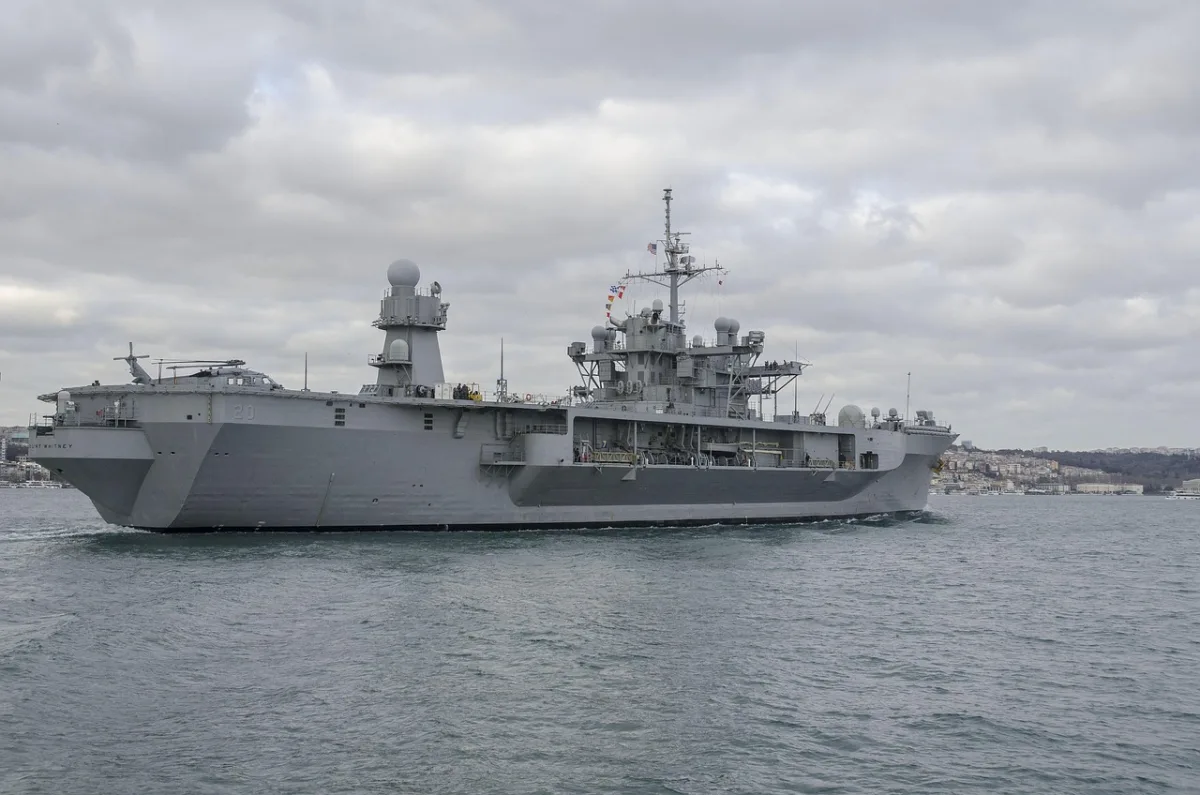
The Strait of Hormuz, a vital waterway connecting the Persian Gulf to the Arabian Sea, has become a flashpoint in the escalating tensions between the US and Iran. The region is home to significant oil reserves, and any disruption to shipping lanes could have far-reaching consequences for the global economy. The US and Iran have been locked in a bitter struggle for influence in the region, with both sides refusing to back down.
The current standoff began when Iran seized a US drone, claiming it had entered Iranian airspace. The US denied the claim, saying the drone was operating in international waters. The incident sparked a wave of retaliation, with the US launching a series of airstrikes against Iranian targets. Iran responded by firing missiles at US bases in Iraq, killing several soldiers. The situation has continued to deteriorate, with both sides engaging in a war of words and provocative actions.

The US has deployed additional troops to the region, citing concerns about Iranian aggression. Iran, meanwhile, has vowed to defend its sovereignty and territorial integrity. The international community has called for calm, but so far, neither side has shown any willingness to compromise. The situation is further complicated by the presence of other regional actors, including Saudi Arabia and Israel, which have their own interests and agendas.
The Strait of Hormuz is a critical chokepoint for global oil supplies, with over 20% of the world's oil passing through the waterway. Any disruption to shipping lanes could have catastrophic consequences for the global economy, leading to soaring oil prices and potentially even recession. The US and Iran are well aware of the stakes, but so far, they have been unable to find a way out of the crisis.
Key Facts
- The Strait of Hormuz is a vital waterway connecting the Persian Gulf to the Arabian Sea
- Over 20% of the world's oil passes through the Strait of Hormuz
- The US and Iran have been engaged in a bitter struggle for influence in the region
- Iran seized a US drone, claiming it had entered Iranian airspace
- The US denied the claim, saying the drone was operating in international waters
- The US launched a series of airstrikes against Iranian targets
- Iran responded by firing missiles at US bases in Iraq, killing several soldiers
- The US has deployed additional troops to the region
- Iran has vowed to defend its sovereignty and territorial integrity
History of US-Iran Relations
The US and Iran have a long and complex history, dating back to the 1950s. The two countries were once allies, but the relationship deteriorated after the Iranian Revolution in 1979. Since then, the US and Iran have been engaged in a series of proxy wars and diplomatic crises. The current standoff is just the latest chapter in this ongoing saga.
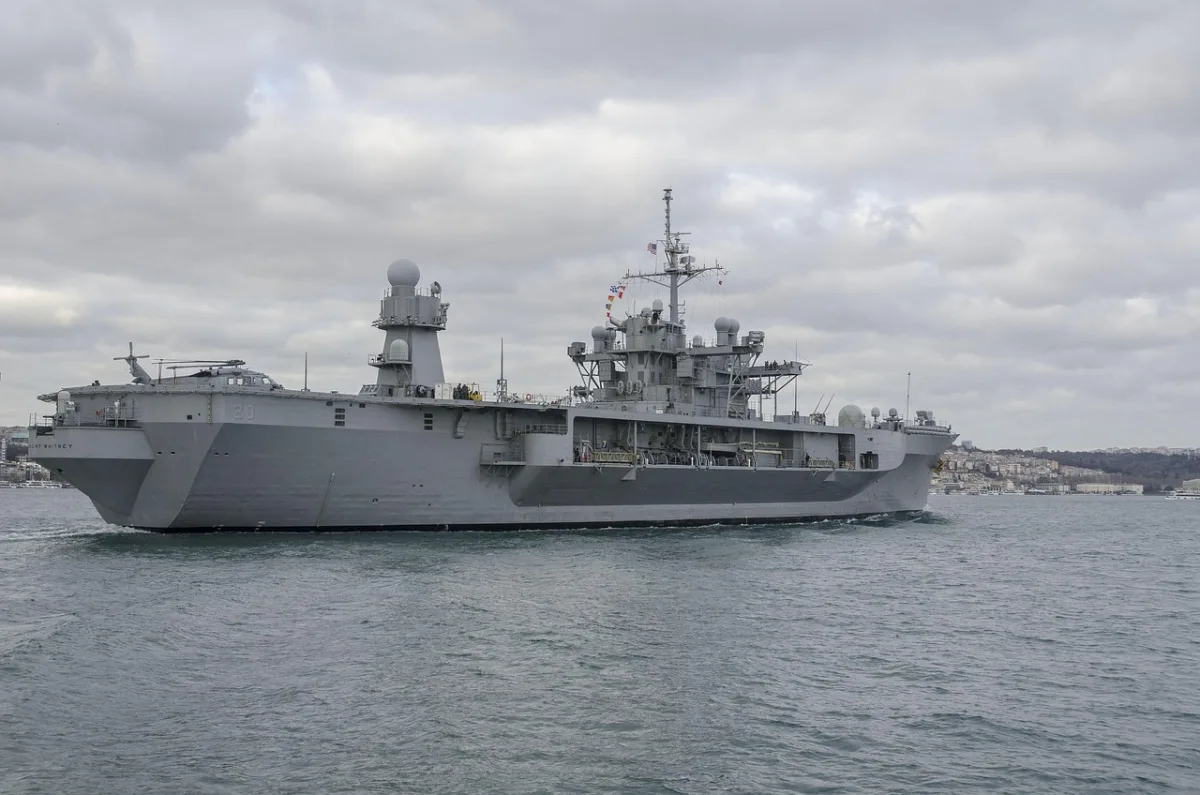
The US has long been concerned about Iran's nuclear program, which it believes could be used to develop atomic weapons. Iran, meanwhile, has accused the US of trying to undermine its sovereignty and territorial integrity. The two countries have also clashed over issues such as terrorism and human rights. Despite these differences, there have been periods of relative calm, including during the presidency of Barack Obama, who negotiated a landmark nuclear deal with Iran.
However, the relationship has deteriorated significantly since the election of Donald Trump, who withdrew the US from the nuclear deal and imposed tough sanctions on Iran. Iran has responded by accelerating its nuclear program and engaging in provocative actions, such as seizing oil tankers and attacking US drones. The situation has become increasingly volatile, with both sides refusing to back down.
Regional Implications
The US-Iran standoff has significant implications for the wider region. Saudi Arabia and Israel, in particular, are watching the situation with great concern. Both countries have their own interests and agendas, and they are likely to be drawn into the conflict if it escalates.
Saudi Arabia has long been a rival of Iran, and the two countries have clashed over issues such as oil production and regional influence. Saudi Arabia has also been a key supporter of the US in the region, providing military bases and logistical support for US operations. Israel, meanwhile, has its own concerns about Iranian aggression, particularly with regard to Iran's support for militant groups such as Hezbollah.
The situation is further complicated by the presence of other regional actors, including Turkey and Russia. Turkey has its own interests in the region, including a desire to expand its influence and secure its borders. Russia, meanwhile, has been a key supporter of Iran, providing military and diplomatic backing. The US and Iran will need to navigate this complex web of alliances and rivalries if they are to find a way out of the crisis.
Economic Consequences
The US-Iran standoff has significant economic implications, both for the region and for the global economy. The Strait of Hormuz is a critical chokepoint for global oil supplies, and any disruption to shipping lanes could have catastrophic consequences.
The price of oil has already begun to rise, as investors worry about the potential for supply disruptions. This could have far-reaching consequences for the global economy, leading to higher fuel prices, inflation, and potentially even recession. The US and Iran are well aware of the stakes, but so far, they have been unable to find a way out of the crisis.
The situation is further complicated by the presence of other regional actors, including Saudi Arabia and the United Arab Emirates. Both countries are significant oil producers, and they have their own interests and agendas. The US and Iran will need to navigate this complex web of alliances and rivalries if they are to find a way out of the crisis.
Expert Analysis
The situation in the Strait of Hormuz is extremely volatile, and it's difficult to predict what will happen next. The US and Iran are engaged in a high-stakes game of chicken, and neither side is willing to back down. The international community needs to intervene quickly to prevent a catastrophic war.
According to experts, the US and Iran are engaged in a complex game of diplomacy and brinksmanship. The US is trying to pressure Iran into abandoning its nuclear program and supporting militant groups, while Iran is trying to defend its sovereignty and territorial integrity. The situation is further complicated by the presence of other regional actors, including Saudi Arabia and Israel.
The US and Iran have a long history of conflict, dating back to the 1950s. The two countries have clashed over issues such as oil production, terrorism, and human rights. Despite these differences, there have been periods of relative calm, including during the presidency of Barack Obama, who negotiated a landmark nuclear deal with Iran. However, the relationship has deteriorated significantly since the election of Donald Trump, who withdrew the US from the nuclear deal and imposed tough sanctions on Iran.
What Happens Next
The situation in the Strait of Hormuz is extremely volatile, and it's difficult to predict what will happen next. The US and Iran are engaged in a high-stakes game of chicken, and neither side is willing to back down. The international community needs to intervene quickly to prevent a catastrophic war.
The US and Iran will need to find a way out of the crisis, but it's unclear what that will look like. The two countries have a long history of conflict, and it's difficult to see a path forward. The international community will need to play a key role in mediating the conflict, but it's unclear whether they will be able to succeed.
The situation is further complicated by the presence of other regional actors, including Saudi Arabia and Israel. Both countries have their own interests and agendas, and they are likely to be drawn into the conflict if it escalates. The US and Iran will need to navigate this complex web of alliances and rivalries if they are to find a way out of the crisis.
Conclusion
The US-Iran standoff in the Strait of Hormuz is a complex and volatile situation, with significant implications for the region and the global economy. The US and Iran are engaged in a high-stakes game of chicken, and neither side is willing to back down. The international community needs to intervene quickly to prevent a catastrophic war.
The situation is further complicated by the presence of other regional actors, including Saudi Arabia and Israel. The US and Iran will need to navigate this complex web of alliances and rivalries if they are to find a way out of the crisis. The situation is extremely volatile, and it's difficult to predict what will happen next. One thing is certain, however: the US and Iran are engaged in a high-stakes game of diplomacy and brinksmanship, and the consequences of failure could be catastrophic.