

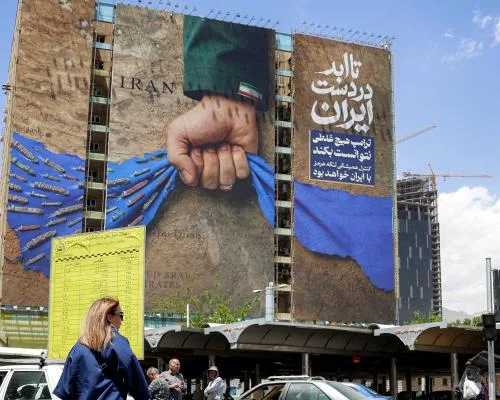
The situation in the Middle East just took a turn for the worse. This morning, the UAE defence ministry announced that its air defense systems were intercepting missiles and drone attacks from Iran. The ministry advised people not to approach, photograph, or touch any debris or fragments that have fallen as a result of the successful air interceptions. The UAE has been a target for Iranian retaliatory attacks since the beginning of the war in late February, along with other Gulf nations that host US military bases.
The US and Iran have been engaged in a tense standoff, with the US carrying out strikes on Iranian military targets after an attack on three American destroyers in the Strait of Hormuz. Iran, on the other hand, accused the US of striking first and violating the ceasefire by attacking an oil tanker and another ship on Thursday. The semi-official Tasnim news agency suggested that the UAE was involved in the attacks on Qeshm, an Iranian island in the Strait of Hormuz. The reported attacks were blamed on the US and "enemy units".
The exchange of fire threatens to unravel a fragile ceasefire in effect since April 8. However, Donald Trump insists that the ceasefire remains intact, describing the strikes as "just a love tap". He repeated this stance when asked during a visit to see renovations of the Lincoln Memorial reflecting pool whether the ceasefire was still on despite the attacks. Trump also wrote on his Truth Social platform that "there was no damage done" to the US warships "but great damage done to the Iranian attackers".
The US has proposed a one-page deal that would have both sides reach an agreement to reopen the Strait of Hormuz and end fighting for 30 days while they work on a longer-term truce. However, Iran has yet to respond to the proposal. Ebrahim Azizi, head of the Iranian parliament's national security committee, wrote on X that "making the same mistake again and again won't get you a different answer; only a stronger one. Respect the new maritime regime of Iran". The situation remains tense, with explosions shaking the Iranian capital Tehran and coastal city of Bandar Abbas, as well as Qeshm.
Key Facts
- The UAE defence ministry intercepted missiles and drone attacks from Iran this morning.
- The US carried out strikes on Iranian military targets after an attack on three American destroyers in the Strait of Hormuz.
- Iran accused the US of striking first and violating the ceasefire by attacking an oil tanker and another ship on Thursday.
- The semi-official Tasnim news agency suggested that the UAE was involved in the attacks on Qeshm, an Iranian island in the Strait of Hormuz.
- Donald Trump insists that the ceasefire remains intact, describing the strikes as "just a love tap".
- The US has proposed a one-page deal that would have both sides reach an agreement to reopen the Strait of Hormuz and end fighting for 30 days while they work on a longer-term truce.
- Iran has yet to respond to the proposal.
- The exchange of fire threatens to unravel a fragile ceasefire in effect since April 8.
Background
The Strait of Hormuz is a vital waterway that connects the Persian Gulf to the Gulf of Oman and the Arabian Sea. It's a strategic location for international trade, with a significant portion of the world's oil passing through it. The US and Iran have been engaged in a tense standoff, with the US imposing sanctions on Iran and Iran responding with retaliatory attacks. The situation has been escalating since the beginning of the war in late February, with both sides accusing each other of violating the ceasefire.
The UAE has been a target for Iranian retaliatory attacks, along with other Gulf nations that host US military bases. The country has been working to strengthen its air defense systems to counter the threats. The UAE defence ministry has advised people not to approach, photograph, or touch any debris or fragments that have fallen as a result of the successful air interceptions. The situation remains tense, with explosions shaking the Iranian capital Tehran and coastal city of Bandar Abbas, as well as Qeshm.
The US has been trying to negotiate a deal with Iran to end the fighting and reopen the Strait of Hormuz. The proposed one-page deal would have both sides reach an agreement to end fighting for 30 days while they work on a longer-term truce. However, Iran has yet to respond to the proposal. Ebrahim Azizi, head of the Iranian parliament's national security committee, wrote on X that "making the same mistake again and again won't get you a different answer; only a stronger one. Respect the new maritime regime of Iran".
The US-Iran Conflict
The US and Iran have been engaged in a tense standoff for years, with the US imposing sanctions on Iran and Iran responding with retaliatory attacks. The situation has been escalating since the beginning of the war in late February, with both sides accusing each other of violating the ceasefire. The US has carried out strikes on Iranian military targets, while Iran has attacked US warships and oil tankers.
The conflict has been fueled by a range of factors, including the US withdrawal from the Iran nuclear deal and the imposition of sanctions on Iran. Iran has responded by increasing its uranium enrichment and attacking US warships and oil tankers. The situation remains tense, with both sides accusing each other of violating the ceasefire. Donald Trump has insisted that the ceasefire remains intact, despite the exchange of fire.
The Role of the UAE
The UAE has been a target for Iranian retaliatory attacks, along with other Gulf nations that host US military bases. The country has been working to strengthen its air defense systems to counter the threats. The UAE defence ministry has advised people not to approach, photograph, or touch any debris or fragments that have fallen as a result of the successful air interceptions. The UAE has also been working to strengthen its relations with the US, with the two countries signing a number of defense agreements.
The UAE's role in the conflict is significant, given its strategic location and its hosting of US military bases. The country has been working to balance its relations with the US and Iran, while also protecting its own interests. The UAE has been a key player in the region, working to promote stability and security. However, the situation remains tense, with the exchange of fire between the US and Iran threatening to unravel the fragile ceasefire.
The Future of the Ceasefire
The future of the ceasefire remains uncertain, given the exchange of fire between the US and Iran. Donald Trump has insisted that the ceasefire remains intact, despite the attacks. However, the situation on the ground suggests that the ceasefire is fragile and could break down at any moment. The US has proposed a one-page deal that would have both sides reach an agreement to end fighting for 30 days while they work on a longer-term truce.
"Making the same mistake again and again won't get you a different answer; only a stronger one. Respect the new maritime regime of Iran," wrote Ebrahim Azizi, head of the Iranian parliament's national security committee, on X. This statement suggests that Iran is unlikely to back down, given the US's insistence that the ceasefire remains intact. The situation remains tense, with both sides accusing each other of violating the ceasefire.
Conclusion
The situation in the Middle East remains tense, with the exchange of fire between the US and Iran threatening to unravel the fragile ceasefire. The US has proposed a one-page deal that would have both sides reach an agreement to end fighting for 30 days while they work on a longer-term truce. However, Iran has yet to respond to the proposal. The UAE has been a target for Iranian retaliatory attacks, and the country has been working to strengthen its air defense systems to counter the threats.
The conflict has been fueled by a range of factors, including the US withdrawal from the Iran nuclear deal and the imposition of sanctions on Iran. The situation remains uncertain, with both sides accusing each other of violating the ceasefire. Donald Trump has insisted that the ceasefire remains intact, despite the exchange of fire. However, the situation on the ground suggests that the ceasefire is fragile and could break down at any moment. The future of the ceasefire remains uncertain, and it's unclear what the next steps will be.
The US and Iran will need to find a way to negotiate a lasting peace, or risk further escalation of the conflict.
Aftermath
The aftermath of the exchange of fire between the US and Iran remains uncertain. The situation on the ground suggests that the ceasefire is fragile and could break down at any moment. The US has proposed a one-page deal that would have both sides reach an agreement to end fighting for 30 days while they work on a longer-term truce. However, Iran has yet to respond to the proposal.
The UAE has been working to strengthen its air defense systems to counter the threats. The country has also been working to strengthen its relations with the US, with the two countries signing a number of defense agreements. The UAE's role in the conflict is significant, given its strategic location and its hosting of US military bases. The country has been working to balance its relations with the US and Iran, while also protecting its own interests.
The situation remains tense, with both sides accusing each other of violating the ceasefire. The US and Iran will need to find a way to negotiate a lasting peace, or risk further escalation of the conflict. The future of the ceasefire remains uncertain, and it's unclear what the next steps will be. The world will be watching closely, as the situation in the Middle East continues to unfold.