

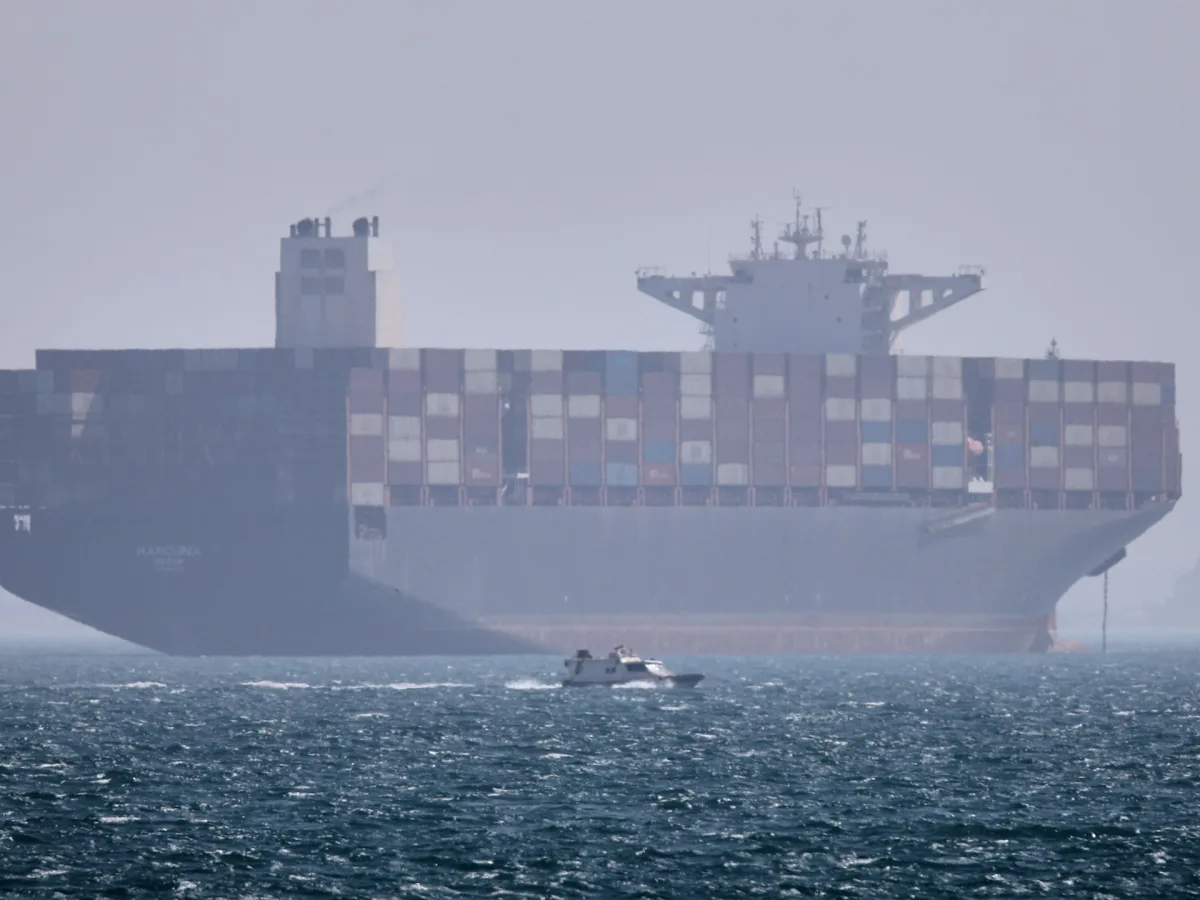
The Strait of Hormuz, a narrow waterway connecting the Persian Gulf to the Gulf of Oman, has become a flashpoint in recent days. The region has seen a significant increase in violence, with reports of attacks on oil tankers and naval vessels. The United States, Iran, and other countries have all been involved in the escalating tensions. The situation is complex, with multiple actors and interests at play. The Strait of Hormuz is a critical chokepoint for the global oil trade, and any disruption to the flow of oil through the region could have significant consequences for the global economy.
The recent violence in the Strait of Hormuz has its roots in a long-standing dispute between the United States and Iran. The two countries have been at odds over a range of issues, including Iran's nuclear program and its support for militant groups in the region. The situation has been further complicated by the involvement of other countries, including Saudi Arabia and the United Arab Emirates. The conflict has raised concerns about the stability of the region and the potential for a wider war. The global community is watching the situation closely, with many calling for calm and restraint.
The United Nations has urged all parties to avoid escalating the situation and to seek a peaceful resolution to the conflict.
The impact of the violence in the Strait of Hormuz is already being felt in the global oil market. Brent crude has risen nearly 6 percent, and other oil prices have also increased. The higher oil prices could have a significant impact on the global economy, particularly for countries that are heavily reliant on oil imports. The situation is being closely watched by economists and policymakers, who are concerned about the potential for a global economic downturn. The International Monetary Fund has warned that a prolonged conflict in the Strait of Hormuz could have significant consequences for the global economy.
The organization has urged all parties to seek a peaceful resolution to the conflict and to avoid any actions that could further destabilize the region.
The situation in the Strait of Hormuz is complex and multifaceted, with many different actors and interests at play. The conflict has its roots in a long-standing dispute between the United States and Iran, but it has also been influenced by the involvement of other countries in the region. The global community is watching the situation closely, and many are calling for calm and restraint. The United Nations has urged all parties to avoid escalating the situation and to seek a peaceful resolution to the conflict. The situation is fluid and dynamic, with new developments emerging every day.
The world is waiting with bated breath to see how the situation will unfold.
Key Facts
- The Strait of Hormuz is a critical waterway for oil transportation, with over 20 percent of the world's oil passing through it.
- The recent violence in the Strait of Hormuz has raised concerns about the stability of the region and the impact on global oil supplies.
- Brent crude has risen nearly 6 percent as a result of the violence.
- The conflict has its roots in a long-standing dispute between the United States and Iran.
- The situation has been further complicated by the involvement of other countries, including Saudi Arabia and the United Arab Emirates.
- The global community is watching the situation closely, with many calling for calm and restraint.
- The United Nations has urged all parties to avoid escalating the situation and to seek a peaceful resolution to the conflict.
History of the Conflict
The conflict in the Strait of Hormuz has its roots in a long-standing dispute between the United States and Iran. The two countries have been at odds over a range of issues, including Iran's nuclear program and its support for militant groups in the region. The situation has been further complicated by the involvement of other countries, including Saudi Arabia and the United Arab Emirates. The conflict has a long and complex history, with many different actors and interests at play. The situation is fluid and dynamic, with new developments emerging every day.
The world is waiting with bated breath to see how the situation will unfold.
The history of the conflict is marked by periods of tension and violence, punctuated by occasional moments of calm. The situation has been influenced by a range of factors, including the involvement of other countries in the region and the global community's response to the conflict. The United States and Iran have been at the center of the conflict, with each side accusing the other of aggression and provocation. The situation has been further complicated by the involvement of other countries, including Saudi Arabia and the United Arab Emirates. The conflict has raised concerns about the stability of the region and the potential for a wider war.
The conflict in the Strait of Hormuz is not just about the United States and Iran; it also involves other countries in the region. Saudi Arabia and the United Arab Emirates have both been involved in the conflict, with each side accusing the other of aggression and provocation. The situation has been further complicated by the involvement of other countries, including China and Russia. The global community is watching the situation closely, with many calling for calm and restraint. The United Nations has urged all parties to avoid escalating the situation and to seek a peaceful resolution to the conflict.
The Global Impact
The conflict in the Strait of Hormuz is having a significant impact on the global economy. The higher oil prices could have a significant impact on countries that are heavily reliant on oil imports. The situation is being closely watched by economists and policymakers, who are concerned about the potential for a global economic downturn. The International Monetary Fund has warned that a prolonged conflict in the Strait of Hormuz could have significant consequences for the global economy. The organization has urged all parties to seek a peaceful resolution to the conflict and to avoid any actions that could further destabilize the region.
The global impact of the conflict is not just limited to the economy; it also has significant geopolitical implications. The conflict has raised concerns about the stability of the region and the potential for a wider war. The global community is watching the situation closely, with many calling for calm and restraint. The United Nations has urged all parties to avoid escalating the situation and to seek a peaceful resolution to the conflict. The situation is fluid and dynamic, with new developments emerging every day.
The world is waiting with bated breath to see how the situation will unfold.
The conflict in the Strait of Hormuz is a complex and multifaceted issue, with many different actors and interests at play. The situation has been influenced by a range of factors, including the involvement of other countries in the region and the global community's response to the conflict. The United States and Iran have been at the center of the conflict, with each side accusing the other of aggression and provocation. The situation has been further complicated by the involvement of other countries, including Saudi Arabia and the United Arab Emirates. The conflict has raised concerns about the stability of the region and the potential for a wider war.
The Role of the United States
The United States has played a significant role in the conflict in the Strait of Hormuz. The country has been at odds with Iran over a range of issues, including Iran's nuclear program and its support for militant groups in the region. The United States has imposed sanctions on Iran, which has had a significant impact on the country's economy. The situation has been further complicated by the involvement of other countries, including Saudi Arabia and the United Arab Emirates. The conflict has raised concerns about the stability of the region and the potential for a wider war.
The United States has a long and complex history in the region, with many different actors and interests at play. The country has been involved in a range of conflicts in the region, including the Iraq War and the war in Afghanistan. The United States has also been involved in a range of diplomatic efforts in the region, including the Iran nuclear deal. The situation is fluid and dynamic, with new developments emerging every day. The world is waiting with bated breath to see how the situation will unfold.
The United States is committed to maintaining the free flow of oil through the Strait of Hormuz, and we will take all necessary steps to protect our interests and those of our allies.
- John Bolton, former National Security Adviser
The United States is not the only country involved in the conflict; other countries, including Saudi Arabia and the United Arab Emirates, have also been involved. The situation has been further complicated by the involvement of other countries, including China and Russia. The global community is watching the situation closely, with many calling for calm and restraint. The United Nations has urged all parties to avoid escalating the situation and to seek a peaceful resolution to the conflict.
The Role of Iran
Iran has played a significant role in the conflict in the Strait of Hormuz. The country has been at odds with the United States over a range of issues, including its nuclear program and its support for militant groups in the region. Iran has accused the United States of aggression and provocation, and has threatened to retaliate against any attacks on its territory. The situation has been further complicated by the involvement of other countries, including Saudi Arabia and the United Arab Emirates. The conflict has raised concerns about the stability of the region and the potential for a wider war.
Iran has a long and complex history in the region, with many different actors and interests at play. The country has been involved in a range of conflicts in the region, including the Iran-Iraq War and the war in Afghanistan. Iran has also been involved in a range of diplomatic efforts in the region, including the Iran nuclear deal. The situation is fluid and dynamic, with new developments emerging every day. The world is waiting with bated breath to see how the situation will unfold.
The conflict in the Strait of Hormuz is not just about the United States and Iran; it also involves other countries in the region. Saudi Arabia and the United Arab Emirates have both been involved in the conflict, with each side accusing the other of aggression and provocation. The situation has been further complicated by the involvement of other countries, including China and Russia. The global community is watching the situation closely, with many calling for calm and restraint. The United Nations has urged all parties to avoid escalating the situation and to seek a peaceful resolution to the conflict.
The Future of the Conflict
The future of the conflict in the Strait of Hormuz is uncertain, with many different actors and interests at play. The situation is fluid and dynamic, with new developments emerging every day. The world is waiting with bated breath to see how the situation will unfold. The United States and Iran have been at the center of the conflict, with each side accusing the other of aggression and provocation. The situation has been further complicated by the involvement of other countries, including Saudi Arabia and the United Arab Emirates.
The conflict has raised concerns about the stability of the region and the potential for a wider war.
The conflict in the Strait of Hormuz has significant implications for the global economy and geopolitics. The higher oil prices could have a significant impact on countries that are heavily reliant on oil imports. The situation is being closely watched by economists and policymakers, who are concerned about the potential for a global economic downturn. The International Monetary Fund has warned that a prolonged conflict in the Strait of Hormuz could have significant consequences for the global economy. The organization has urged all parties to seek a peaceful resolution to the conflict and to avoid any actions that could further destabilize the region.
The future of the conflict is uncertain, but one thing is clear: the situation is complex and multifaceted, with many different actors and interests at play. The conflict has raised concerns about the stability of the region and the potential for a wider war. The global community is watching the situation closely, with many calling for calm and restraint. The United Nations has urged all parties to avoid escalating the situation and to seek a peaceful resolution to the conflict. The situation is fluid and dynamic, with new developments emerging every day.
The world is waiting with bated breath to see how the situation will unfold.