

The UAE's interception of Iranian missiles is a significant development in the ongoing Hormuz crisis. This crisis has been simmering for months, with Iran and the US engaging in a war of words over oil exports and sanctions. The UAE's actions suggest that they are taking a more aggressive stance against Iran, which could have far-reaching consequences for the region. The fact that Iran has not commented on the incident suggests that they may be trying to avoid escalating the situation further. Yet, the lack of comment also leaves many questions unanswered, including what exactly happened and how the UAE responded.
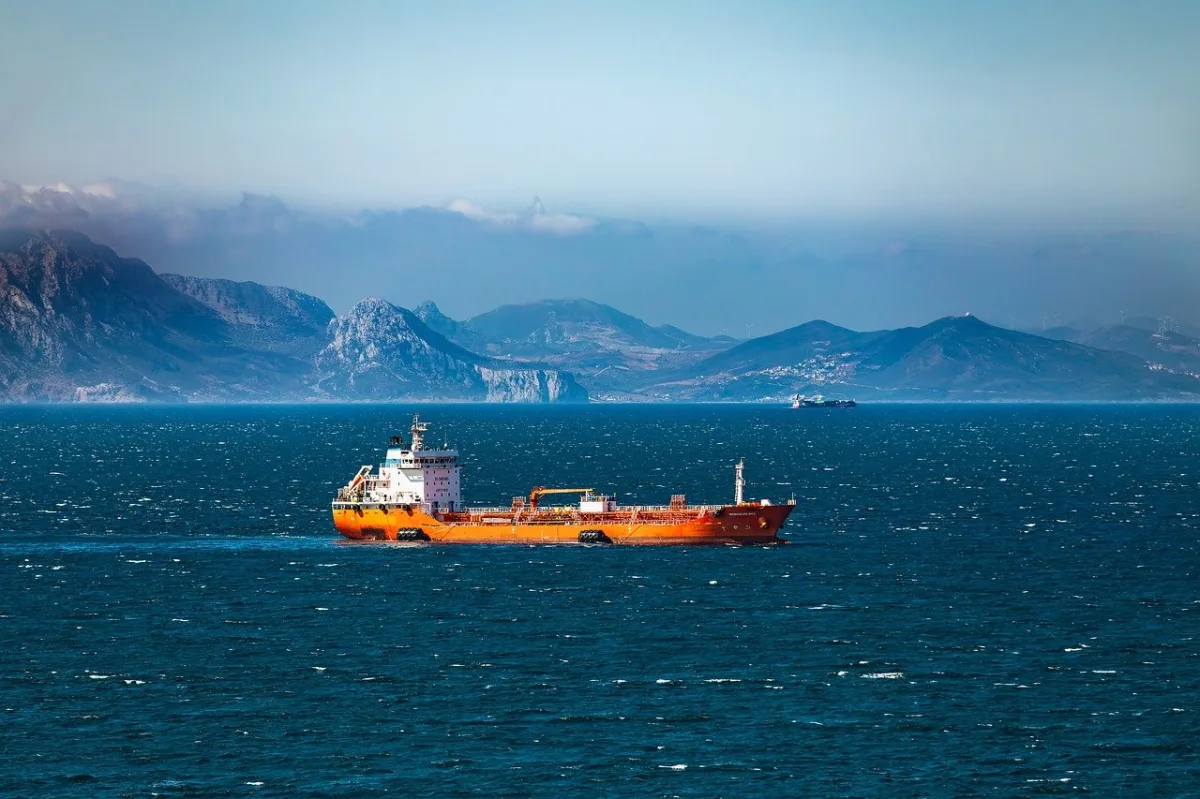
The Hormuz crisis has its roots in the US's decision to withdraw from the Iran nuclear deal, which led to the reimposition of sanctions on Iran. These sanctions have had a devastating impact on Iran's economy, with the value of the Iranian rial plummeting and inflation soaring. In response, Iran has tried to exert pressure on the US and its allies by disrupting oil supplies in the Strait of Hormuz, a vital shipping lane that connects the Persian Gulf to the Arabian Sea. The UAE, which is a key ally of the US, has been at the forefront of efforts to counter Iran's moves, including intercepting Iranian missiles.
The interception of Iranian missiles by the UAE is a significant escalation of the crisis, and it raises concerns about the potential for further conflict in the region. The UAE's actions suggest that they are willing to take a more aggressive stance against Iran, which could lead to a wider conflict. The fact that Iran has not commented on the incident suggests that they may be trying to avoid escalating the situation further, but it also leaves many questions unanswered. The international community is watching the situation closely, with many calling for calm and restraint. The US, in particular, has been vocal in its support for the UAE, with the US Secretary of State tweeting his support for the UAE's actions.
The crisis in the Strait of Hormuz has significant implications for global oil supplies, with many countries relying on the region for their oil imports. The US, in particular, has been trying to reduce its reliance on imported oil, but it still imports significant quantities from the region. The crisis has also had a major impact on the global economy, with oil prices rising significantly in recent months. The UAE's interception of Iranian missiles has added to the uncertainty, with many investors and traders watching the situation closely. The fact that Iran has not commented on the incident has added to the uncertainty, with many wondering what will happen next.
Key Facts
- The UAE intercepted Iranian missiles after a suspected drone attack
- The incident occurred in the Strait of Hormuz, a vital shipping lane that connects the Persian Gulf to the Arabian Sea
- The US withdrew from the Iran nuclear deal in 2018, leading to the reimposition of sanctions on Iran
- The sanctions have had a devastating impact on Iran's economy, with the value of the Iranian rial plummeting and inflation soaring
- The UAE is a key ally of the US and has been at the forefront of efforts to counter Iran's moves
- The crisis in the Strait of Hormuz has significant implications for global oil supplies
- The US imports significant quantities of oil from the region
- The crisis has had a major impact on the global economy, with oil prices rising significantly in recent months
Background to the Crisis
The crisis in the Strait of Hormuz has its roots in the US's decision to withdraw from the Iran nuclear deal. This deal, which was negotiated by the Obama administration, lifted sanctions on Iran in exchange for limits on its nuclear program. However, the US's withdrawal from the deal led to the reimposition of sanctions, which have had a devastating impact on Iran's economy. The Iranian government has responded by trying to exert pressure on the US and its allies, including by disrupting oil supplies in the Strait of Hormuz. The UAE, which is a key ally of the US, has been at the forefront of efforts to counter Iran's moves, including intercepting Iranian missiles.
The UAE's actions are part of a broader effort by the US and its allies to counter Iran's influence in the region. The US has been trying to build a coalition of countries to counter Iran's moves, including by providing military support to countries in the region. The UAE, which has a significant military presence in the region, has been a key partner in these efforts. The fact that the UAE intercepted Iranian missiles suggests that they are taking a more aggressive stance against Iran, which could have far-reaching consequences for the region.
The crisis in the Strait of Hormuz has significant implications for global oil supplies, with many countries relying on the region for their oil imports. The US, in particular, has been trying to reduce its reliance on imported oil, but it still imports significant quantities from the region. The crisis has also had a major impact on the global economy, with oil prices rising significantly in recent months. The UAE's interception of Iranian missiles has added to the uncertainty, with many investors and traders watching the situation closely.
The Role of the US
The US has been a key player in the crisis in the Strait of Hormuz, with the US Secretary of State tweeting his support for the UAE's actions. The US has been trying to build a coalition of countries to counter Iran's influence in the region, including by providing military support to countries in the region. The US has also been trying to reduce its reliance on imported oil, but it still imports significant quantities from the region. The crisis has had a major impact on the global economy, with oil prices rising significantly in recent months.
The US's decision to withdraw from the Iran nuclear deal has been widely criticized, with many arguing that it has led to the current crisis. The deal, which was negotiated by the Obama administration, lifted sanctions on Iran in exchange for limits on its nuclear program. However, the US's withdrawal from the deal led to the reimposition of sanctions, which have had a devastating impact on Iran's economy. The Iranian government has responded by trying to exert pressure on the US and its allies, including by disrupting oil supplies in the Strait of Hormuz.
The US's actions in the region have been widely criticized, with many arguing that they are exacerbating the crisis. The US's decision to provide military support to countries in the region has been particularly controversial, with many arguing that it could lead to a wider conflict. The fact that the UAE intercepted Iranian missiles suggests that the US's actions are having an impact, but it also raises concerns about the potential for further conflict in the region.
The Iranian Perspective
The Iranian government has been trying to exert pressure on the US and its allies, including by disrupting oil supplies in the Strait of Hormuz. The Iranian government has argued that the US's decision to withdraw from the Iran nuclear deal has led to the current crisis, and that the US is trying to strangle the Iranian economy. The Iranian government has also argued that the US's actions in the region are a threat to regional security, and that they will do everything in their power to protect their interests.
The US's actions in the region are a threat to regional security, and we will do everything in our power to protect our interests, said Mohammad Javad Zarif, the Iranian Foreign Minister.
The Iranian government has been trying to build support among other countries in the region, including by arguing that the US's actions are a threat to regional security. The Iranian government has also been trying to build support among other countries outside the region, including by arguing that the US's actions are a threat to global security. The fact that the UAE intercepted Iranian missiles suggests that the Iranian government's efforts are having an impact, but it also raises concerns about the potential for further conflict in the region.
The Iranian government's actions have been widely criticized, with many arguing that they are exacerbating the crisis. The Iranian government's decision to disrupt oil supplies in the Strait of Hormuz has been particularly controversial, with many arguing that it could have a devastating impact on the global economy. The fact that the UAE intercepted Iranian missiles suggests that the Iranian government's actions are having an impact, but it also raises concerns about the potential for further conflict in the region.
The Global Impact
The crisis in the Strait of Hormuz has had a major impact on the global economy, with oil prices rising significantly in recent months. The crisis has also had a significant impact on global oil supplies, with many countries relying on the region for their oil imports. The US, in particular, has been trying to reduce its reliance on imported oil, but it still imports significant quantities from the region.
The crisis has also had a significant impact on the global economy, with many countries feeling the effects of the crisis. The crisis has led to a rise in oil prices, which has had a devastating impact on many countries. The crisis has also led to a rise in inflation, which has had a devastating impact on many countries. The fact that the UAE intercepted Iranian missiles suggests that the crisis is far from over, and that the global economy could be in for a wild ride.
The global community has been watching the situation closely, with many calling for calm and restraint. The US, in particular, has been vocal in its support for the UAE's actions, with the US Secretary of State tweeting his support for the UAE's actions. The fact that the UAE intercepted Iranian missiles suggests that the US's actions are having an impact, but it also raises concerns about the potential for further conflict in the region.
What's Next
The crisis in the Strait of Hormuz is far from over, with many wondering what will happen next. The fact that the UAE intercepted Iranian missiles suggests that the crisis is escalating, and that the potential for further conflict in the region is high. The US's actions in the region have been widely criticized, with many arguing that they are exacerbating the crisis.
The Iranian government has been trying to exert pressure on the US and its allies, including by disrupting oil supplies in the Strait of Hormuz. The Iranian government has argued that the US's decision to withdraw from the Iran nuclear deal has led to the current crisis, and that the US is trying to strangle the Iranian economy. The fact that the UAE intercepted Iranian missiles suggests that the Iranian government's efforts are having an impact, but it also raises concerns about the potential for further conflict in the region.
The global community is watching the situation closely, with many calling for calm and restraint. The US, in particular, has been vocal in its support for the UAE's actions, with the US Secretary of State tweeting his support for the UAE's actions. The fact that the UAE intercepted Iranian missiles suggests that the US's actions are having an impact, but it also raises concerns about the potential for further conflict in the region.
Conclusion
The crisis in the Strait of Hormuz is a complex and multifaceted issue, with many different players and interests involved. The US's decision to withdraw from the Iran nuclear deal has led to the current crisis, and the US's actions in the region have been widely criticized. The Iranian government has been trying to exert pressure on the US and its allies, including by disrupting oil supplies in the Strait of Hormuz. The fact that the UAE intercepted Iranian missiles suggests that the crisis is escalating, and that the potential for further conflict in the region is high. The global community is watching the situation closely, with many calling for calm and restraint.
The crisis has significant implications for global oil supplies, with many countries relying on the region for their oil imports. The crisis has also had a major impact on the global economy, with oil prices rising significantly in recent months. The fact that the UAE intercepted Iranian missiles suggests that the crisis is far from over, and that the global economy could be in for a wild ride. The US's actions in the region have been widely criticized, with many arguing that they are exacerbating the crisis. The Iranian government's actions have also been widely criticized, with many arguing that they are exacerbating the crisis.
The global community needs to come together to find a solution to the crisis, and to prevent further conflict in the region. The US and Iran need to find a way to resolve their differences, and to prevent further escalation of the crisis. The global community needs to support efforts to resolve the crisis, and to prevent further conflict in the region. The fact that the UAE intercepted Iranian missiles suggests that the crisis is escalating, and that the potential for further conflict in the region is high. The global community needs to take action to prevent further conflict, and to find a solution to the crisis.