

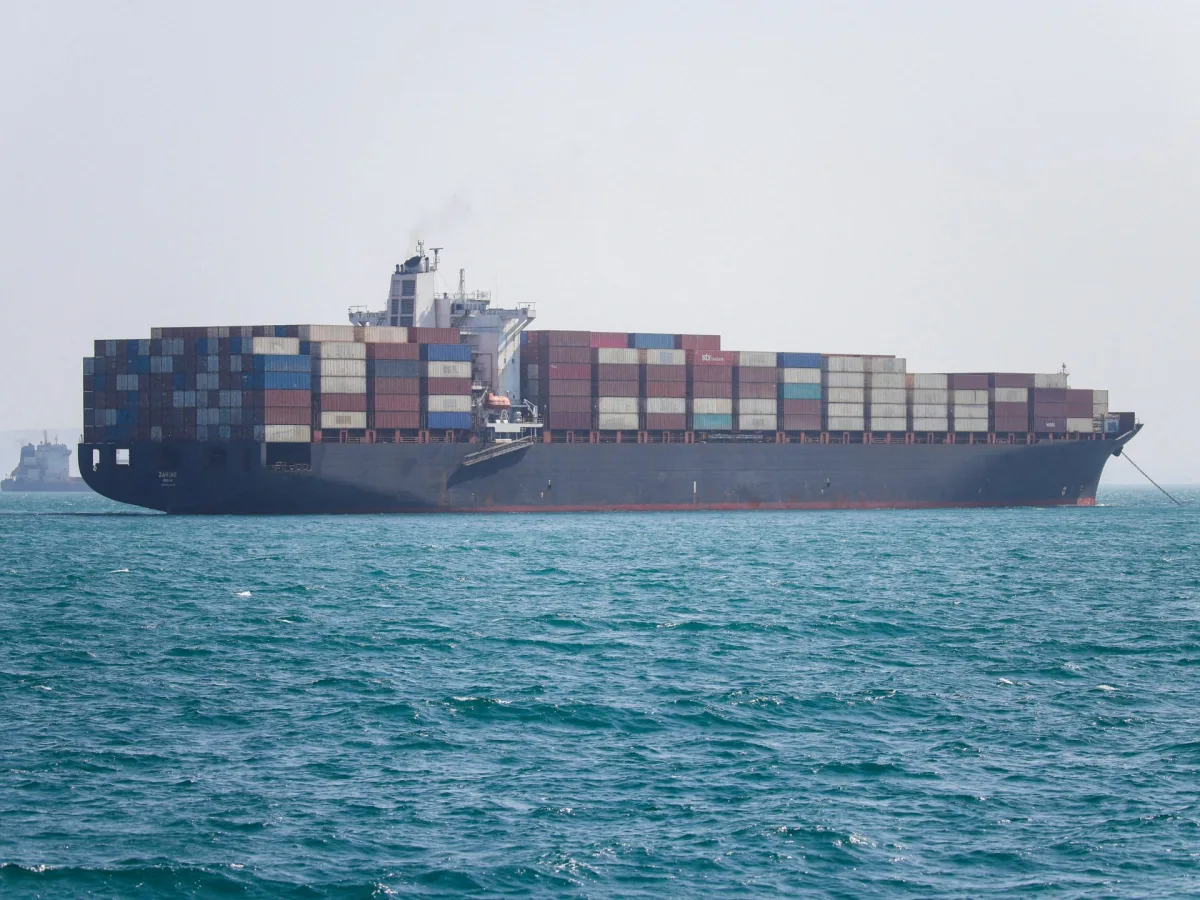
The Strait of Hormuz, a narrow waterway connecting the Persian Gulf to the Gulf of Oman, is a critical shipping lane for oil and other goods. It's like the highway for oil tankers, and whoever controls it has a lot of power. Iran has been threatening to block the strait in response to US sanctions and Israeli attacks. The US has responded by sending more troops to the region and warning Iran against any aggressive actions. This isn't just about oil, it's about who's in charge in the Middle East.
The conflict between Iran and the US has been brewing for years, but it's gotten worse recently. The US withdrew from a nuclear deal with Iran in 2018, and since then, Iran has been slowly violating the terms of the agreement. The US has imposed sanctions on Iran, which has hurt the country's economy. Iran's leaders are angry and feel like they're being bullied. They're looking for ways to push back against the US and its allies.
Israeli attacks have killed 2,696 people in Lebanon since March 2, according to the country's Health Ministry. This is a separate conflict, but it's related to the larger tensions in the region. Israel and Iran have been enemies for a long time, and Israel has been attacking Iranian targets in Lebanon and other countries. Iran has been supporting militant groups in the region, including Hezbollah in Lebanon.
The situation is complex and involves many different countries and groups. It's not just about Iran and the US, it's about Israel, Lebanon, and other countries in the region. The conflict has the potential to escalate into a larger war, which would have devastating consequences for the entire region.
Key Facts
- 2,696 people have been killed in Lebanon since March 2
- The Strait of Hormuz is a critical shipping lane for oil and other goods
- Iran has been threatening to block the strait in response to US sanctions and Israeli attacks
- The US has sent more troops to the region and warned Iran against any aggressive actions
- The conflict between Iran and the US has been brewing for years
- The US withdrew from a nuclear deal with Iran in 2018
- Iran has been slowly violating the terms of the agreement
- The US has imposed sanctions on Iran, which has hurt the country's economy
History of the Conflict
The conflict between Iran and the US has a long history. It started in 1979, when the Iranian revolution overthrew the US-backed government. Since then, the two countries have been enemies. The US has imposed sanctions on Iran, and Iran has supported militant groups in the region. The conflict has escalated in recent years, with the US withdrawing from the nuclear deal and Iran violating the terms of the agreement.
The nuclear deal, also known as the Joint Comprehensive Plan of Action (JCPOA), was signed in 2015. It restricted Iran's nuclear program in exchange for relief from sanctions. The deal was negotiated by the US, Iran, and other countries, including the UK, France, and Germany. The US withdrew from the deal in 2018, which led to a significant escalation of tensions.
The conflict between Iran and Israel is also complex. Israel has been attacking Iranian targets in Lebanon and other countries, and Iran has been supporting militant groups in the region. The conflict has the potential to escalate into a larger war, which would have devastating consequences for the entire region.
The Role of the US
The US has been playing a significant role in the conflict. The US has imposed sanctions on Iran, which has hurt the country's economy. The US has also sent more troops to the region and warned Iran against any aggressive actions. The US is trying to pressure Iran into negotiating a new deal, but Iran is resisting.
The US has a long history of involvement in the region. The US has supported Israel and other countries in the region, and has imposed sanctions on Iran. The US has also launched military interventions in the region, including the invasion of Iraq in 2003.
The US is trying to balance its interests in the region. The US wants to prevent Iran from developing a nuclear bomb, but it also wants to avoid a larger war. The US is working with its allies, including Israel and the UK, to pressure Iran into negotiating a new deal.
The Role of Israel
Israel has been playing a significant role in the conflict. Israel has been attacking Iranian targets in Lebanon and other countries, and Iran has been supporting militant groups in the region. Israel is trying to prevent Iran from gaining a foothold in the region, but it's also escalating the conflict.
Israel has a long history of conflict with Iran. Israel has been concerned about Iran's nuclear program, and has launched military interventions to prevent Iran from developing a bomb. Israel has also been supporting militant groups in the region, including the Syrian rebels.
The situation is very volatile, and it's not clear what's going to happen next. Iran is under a lot of pressure, and it's not clear how it's going to respond. The US and Israel are trying to pressure Iran into negotiating a new deal, but it's not clear if that's going to work.
The Humanitarian Crisis
The conflict has led to a significant humanitarian crisis. Thousands of people have been killed or injured, and many more have been displaced. The conflict has also led to a significant economic crisis, with many countries in the region suffering from sanctions and other economic penalties.
The humanitarian crisis is getting worse every day. The conflict is escalating, and it's not clear when it's going to end. The international community is trying to respond to the crisis, but it's not clear if it's going to be enough.
The conflict has also led to a significant refugee crisis. Many people have been forced to flee their homes, and are now living in refugee camps. The conditions in the camps are poor, and many people are struggling to survive.
The International Response
The international community is trying to respond to the crisis. The US, the UK, and other countries are working together to pressure Iran into negotiating a new deal. The international community is also trying to provide humanitarian aid to the people affected by the conflict.
The international response has been slow, but it's getting better. The US and other countries are providing more aid, and are working to negotiate a peaceful resolution to the conflict. The international community is also trying to prevent the conflict from escalating into a larger war.
The conflict has significant implications for the entire region. It's not just about Iran and the US, it's about the entire Middle East. The conflict has the potential to escalate into a larger war, which would have devastating consequences for the entire region.
The Future of the Conflict
The future of the conflict is uncertain. It's not clear if the US and Iran will be able to negotiate a new deal, or if the conflict will escalate into a larger war. The international community is trying to prevent the conflict from escalating, but it's not clear if it's going to be enough.
The conflict has significant implications for the entire region. It's not just about Iran and the US, it's about the entire Middle East. The conflict has the potential to escalate into a larger war, which would have devastating consequences for the entire region.
The US and Iran need to find a way to negotiate a peaceful resolution to the conflict. The US needs to be willing to lift some of the sanctions, and Iran needs to be willing to restrict its nuclear program. The international community needs to support the negotiations, and provide humanitarian aid to the people affected by the conflict.