

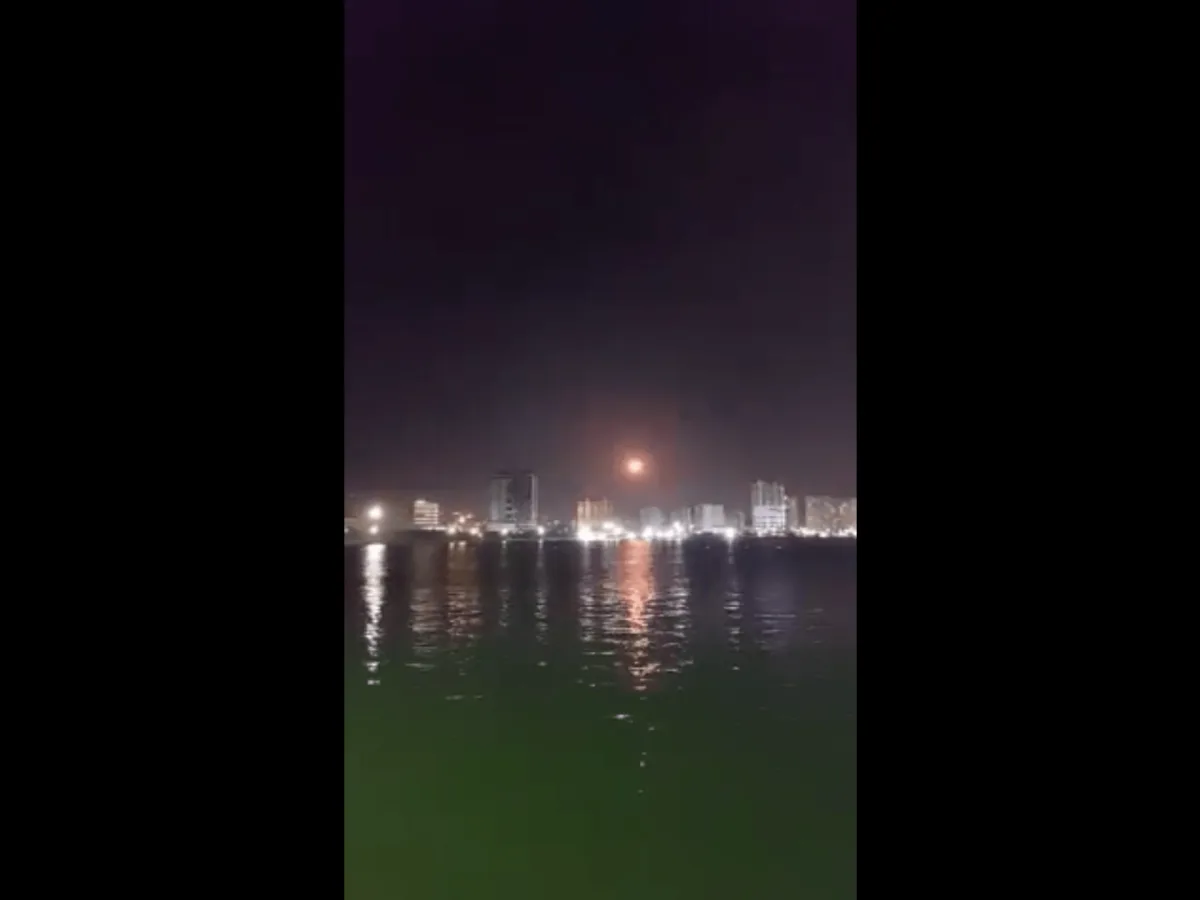
Iran's air defense systems were activated in western Tehran, with multiple explosions reported in the area. The incident occurred on May 7, 2026, and the cause of the explosions is still unknown. Iranian state media reported that the air defense systems were activated in response to a potential threat, but did not provide further details. The activation of air defenses suggests that Iran may have detected a potential threat, possibly from an incoming missile or aircraft. This incident is significant, as it highlights the ongoing tensions in the region and the potential for conflict.
The incident occurred in western Tehran, which is a densely populated area. The explosions were reported to have been loud and powerful, with some residents reporting that they felt the ground shake. The Iranian government has not yet released a statement on the incident, but state media has reported that the air defense systems were activated in response to a potential threat. The cause of the explosions is still unknown, but it is possible that they were related to a military operation or a technical malfunction. The Iranian military has a history of testing its air defense systems, but it is unclear if this incident was related to a test or a real-world threat.
The activation of air defenses in Tehran is a significant development, as it suggests that Iran may be preparing for a potential conflict. The country has been involved in several conflicts in the region, including a proxy war with Saudi Arabia in Yemen and a conflict with Israel in Syria. The Iranian military has also been developing its air defense capabilities, including the purchase of advanced missile systems from Russia. The activation of air defenses in Tehran may be a sign that Iran is taking steps to protect itself from potential threats, but it also raises concerns about the potential for conflict in the region.
The incident has also raised concerns about the potential for civilian casualties. Western Tehran is a densely populated area, and any military operation or conflict in the area could result in significant harm to civilians. The Iranian government has a responsibility to protect its citizens, and it is unclear how the activation of air defenses will impact the safety of residents in the area. The international community will be watching the situation closely, as any conflict in the region could have significant consequences for global stability.
Key Facts
- Iranian state media reports that air defense systems were activated in western Tehran
- Multiple explosions were reported in the area
- The cause of the explosions is still unknown
- The incident occurred on May 7, 2026
- The Iranian government has not yet released a statement on the incident
- The activation of air defenses suggests that Iran may have detected a potential threat
- The incident highlights the ongoing tensions in the region
- The Iranian military has a history of testing its air defense systems
- The country has been involved in several conflicts in the region
Background on Iran's Air Defense Systems
Iran's air defense systems are designed to protect the country from potential aerial threats, including missiles and aircraft. The systems are equipped with advanced radar and missile technology, and are capable of detecting and intercepting incoming threats. The Iranian military has been developing its air defense capabilities in recent years, including the purchase of advanced missile systems from Russia. The activation of air defenses in Tehran suggests that Iran is taking steps to protect itself from potential threats, but it also raises concerns about the potential for conflict in the region.
The Iranian air defense systems are operated by the Iranian Revolutionary Guard Corps (IRGC), which is a branch of the Iranian military. The IRGC is responsible for defending the country's airspace and territorial integrity, and has been involved in several conflicts in the region. The activation of air defenses in Tehran may be a sign that the IRGC is taking steps to prepare for a potential conflict, but it is unclear what the specific threat may be.
The development of Iran's air defense systems has been a key priority for the Iranian military in recent years. The country has invested heavily in the development of advanced radar and missile technology, and has purchased several advanced missile systems from Russia. The Iranian military has also been conducting regular tests of its air defense systems, including the launch of missiles and the deployment of radar systems. The activation of air defenses in Tehran may be a sign that the Iranian military is taking steps to prepare for a potential conflict, but it is unclear what the specific threat may be.
The Role of the Iranian Revolutionary Guard Corps
The Iranian Revolutionary Guard Corps (IRGC) is a branch of the Iranian military that is responsible for defending the country's airspace and territorial integrity. The IRGC is a powerful and influential organization in Iran, and has been involved in several conflicts in the region. The organization is known for its advanced military capabilities, including its air defense systems and missile technology. The IRGC has also been involved in several proxy wars in the region, including the conflict in Syria and the war in Yemen.
The IRGC is led by Major General Hossein Salami, who has been a key figure in the development of Iran's military capabilities. Salami has been a strong advocate for the development of Iran's air defense systems, and has overseen several major military operations in the region. The IRGC has a significant presence in western Tehran, where the air defense systems were activated. The organization is responsible for protecting the country's capital city and its surrounding areas, and has a strong track record of defending Iranian airspace.
The IRGC has also been involved in several controversies in recent years, including the downing of a Ukrainian airliner in January 2020. The incident occurred during a period of heightened tensions between Iran and the United States, and resulted in the deaths of all 176 people on board. The IRGC initially denied responsibility for the downing of the airliner, but later admitted that it had been shot down by an Iranian missile. The incident highlighted the risks of conflict in the region, and the potential for civilian casualties.
The Potential for Conflict in the Region
The activation of air defenses in Tehran highlights the ongoing tensions in the region and the potential for conflict. The Middle East is a complex and volatile region, with several countries vying for influence and power. The conflict in Syria, the war in Yemen, and the tensions between Iran and Saudi Arabia are all contributing to the instability in the region. The activation of air defenses in Tehran may be a sign that Iran is preparing for a potential conflict, but it is unclear what the specific threat may be.
The international community is watching the situation closely, as any conflict in the region could have significant consequences for global stability. The United States, in particular, has been involved in several conflicts in the region, including the war in Iraq and the conflict in Afghanistan. The US has also been a strong supporter of Israel, which has been involved in several conflicts with Iran in recent years. The activation of air defenses in Tehran may be a sign that Iran is preparing for a potential conflict with Israel or the US, but it is unclear what the specific threat may be.
The potential for conflict in the region is high, and the activation of air defenses in Tehran is a significant development. The Iranian military has a history of testing its air defense systems, but the activation of air defenses in Tehran may be a sign that the country is preparing for a potential conflict. The international community will be watching the situation closely, as any conflict in the region could have significant consequences for global stability.
The Impact on Civilian Populations
The activation of air defenses in Tehran has also raised concerns about the potential for civilian casualties. Western Tehran is a densely populated area, and any military operation or conflict in the area could result in significant harm to civilians. The Iranian government has a responsibility to protect its citizens, and it is unclear how the activation of air defenses will impact the safety of residents in the area.
The international community is watching the situation closely, as any conflict in the region could have significant consequences for global stability. The potential for civilian casualties is high, and the activation of air defenses in Tehran may be a sign that Iran is preparing for a potential conflict. The Iranian government must take steps to protect its citizens and prevent harm to civilian populations.
The activation of air defenses in Tehran is a significant development, and it highlights the ongoing tensions in the region. The potential for conflict is high, and the international community must take steps to prevent harm to civilian populations. As one expert noted, "The activation of air defenses in Tehran is a sign that Iran is preparing for a potential conflict, and it highlights the need for diplomacy and dialogue to prevent further escalation."
The Future of Iranian-US Relations
The activation of air defenses in Tehran has also raised concerns about the future of Iranian-US relations. The two countries have a long and complex history, and have been involved in several conflicts in recent years. The US has imposed several sanctions on Iran, including sanctions on the country's oil industry and banking sector. The Iranian government has responded by developing its military capabilities, including its air defense systems.
The future of Iranian-US relations is uncertain, and the activation of air defenses in Tehran may be a sign that the country is preparing for a potential conflict. The US has a strong military presence in the region, and has been involved in several conflicts in the Middle East. The Iranian government must take steps to protect its citizens and prevent harm to civilian populations, but it is unclear what the specific threat may be.
The international community is watching the situation closely, as any conflict in the region could have significant consequences for global stability. The activation of air defenses in Tehran is a significant development, and it highlights the ongoing tensions in the region. The potential for conflict is high, and the international community must take steps to prevent harm to civilian populations. The future of Iranian-US relations is uncertain, and it is unclear what the specific threat may be. But one thing is clear: the activation of air defenses in Tehran is a significant development, and it highlights the need for diplomacy and dialogue to prevent further escalation.
Conclusion
The activation of air defenses in Tehran is a significant development, and it highlights the ongoing tensions in the region. The potential for conflict is high, and the international community must take steps to prevent harm to civilian populations. The Iranian government must take steps to protect its citizens and prevent harm to civilian populations, but it is unclear what the specific threat may be. The future of Iranian-US relations is uncertain, and it is unclear what the specific threat may be. But one thing is clear: the activation of air defenses in Tehran is a significant development, and it highlights the need for diplomacy and dialogue to prevent further escalation.
The activation of air defenses in Tehran has raised concerns about the potential for civilian casualties. Western Tehran is a densely populated area, and any military operation or conflict in the area could result in significant harm to civilians. The Iranian government has a responsibility to protect its citizens, and it is unclear how the activation of air defenses will impact the safety of residents in the area.
The international community is watching the situation closely, as any conflict in the region could have significant consequences for global stability. The potential for conflict is high, and the activation of air defenses in Tehran may be a sign that Iran is preparing for a potential conflict. The Iranian military has a history of testing its air defense systems, but the activation of air defenses in Tehran may be a sign that the country is preparing for a potential conflict. The international community will be watching the situation closely, as any conflict in the region could have significant consequences for global stability.