

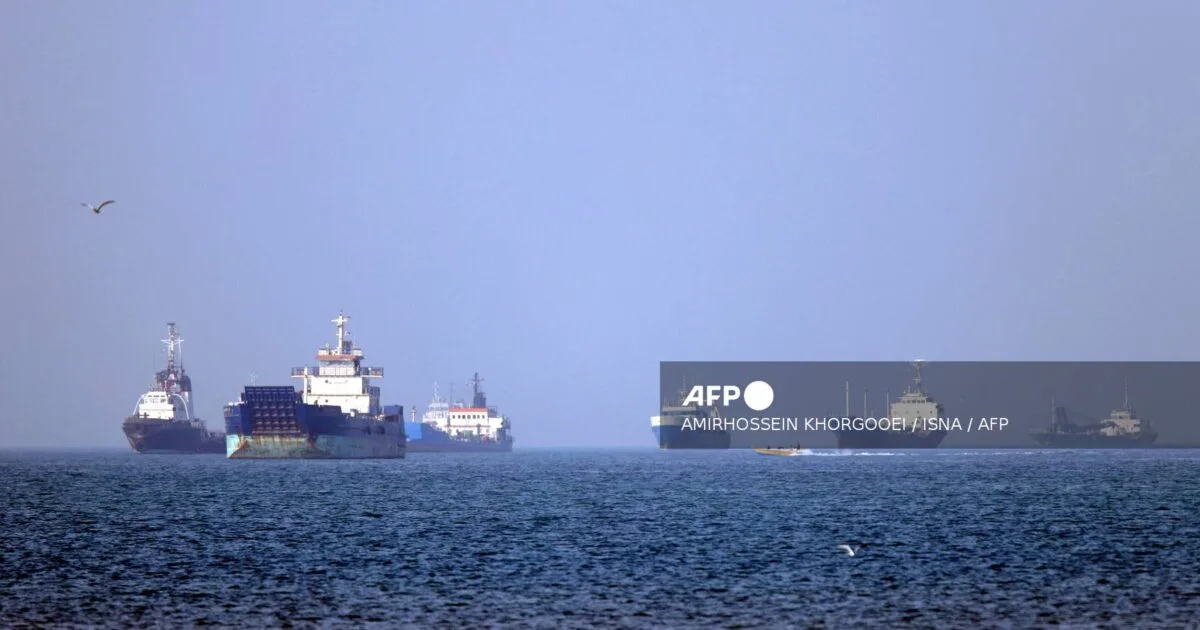
The drone strike on the UAE energy facility is a stark reminder of the volatile nature of the Middle East. It's a region where alliances are complex, and conflicts can escalate quickly. The attack, which was reportedly carried out by Yemen's Houthi rebels, didn't just target the UAE; it also sent a message to the international community about the fragility of peace in the area. The UAE, known for its oil-rich economy and strategic ports, is a critical player in global energy markets. Any disruption here can have far-reaching consequences, affecting not just the region but also the world at large.
And then there's India, a country that has been watching the developments in the Middle East with great interest. India's relationship with the UAE is particularly significant, given their strong economic ties. The UAE is one of India's largest trading partners, and Indian expatriates form a significant portion of the UAE's workforce. But India also has to navigate its relationships with other countries in the region, including Iran, with which it has historical and cultural ties. This balancing act is delicate, and any misstep could have serious repercussions.
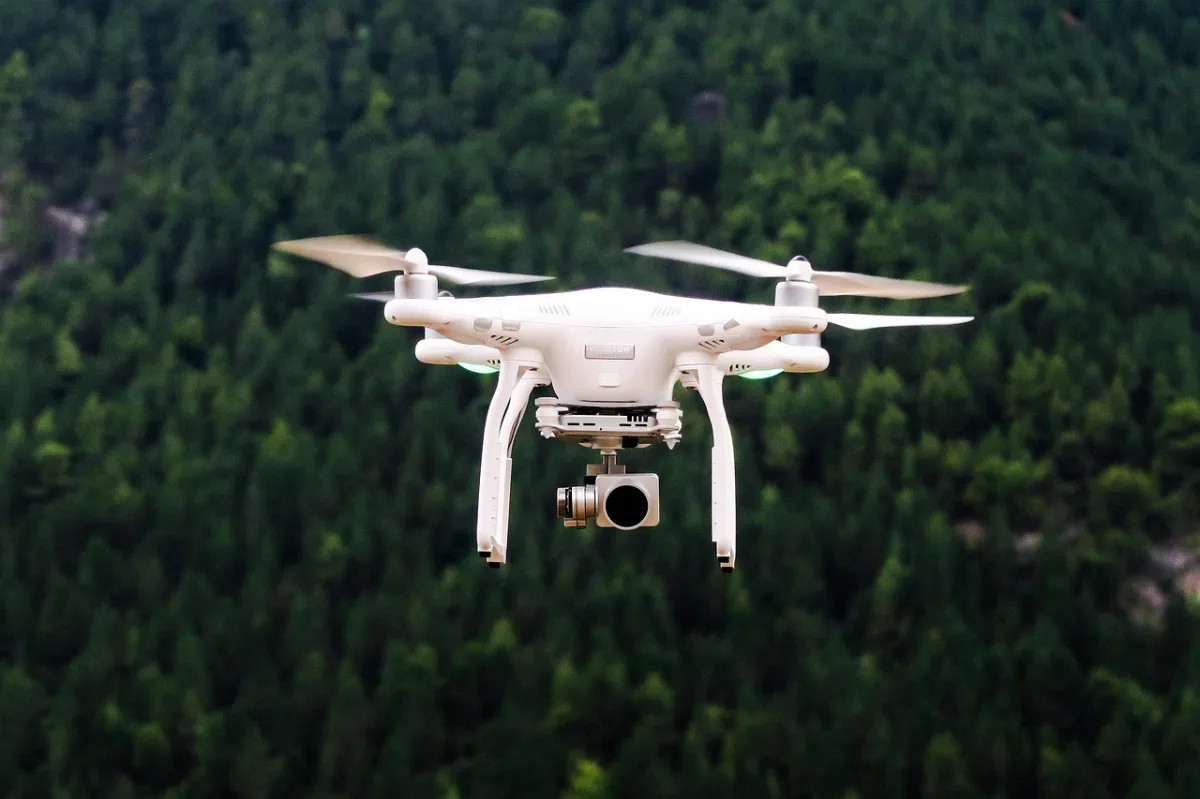
The Strait of Hormuz, where the drone strike occurred, is one of the most critical waterways in the world. It's a narrow passage through which a significant portion of the world's oil passes, making it a chokepoint for global energy supplies. Any disruption here can lead to spikes in oil prices, affecting economies worldwide. The international community has been urging for calm and restraint in the region, but the situation remains tense. The drone strike is just the latest in a series of incidents that have heightened tensions between the UAE and its adversaries.
The implications of the drone strike go beyond the immediate region. It's a sign of the increasing use of drones in conflict zones, which raises serious concerns about the future of warfare. Drones, or unmanned aerial vehicles (UAVs), are becoming more sophisticated, allowing for precision strikes without the risk of losing human pilots. However, this also means that the threshold for conflict can be lower, as nations or non-state actors may feel more inclined to use them due to their perceived lower risk. This is a development that the international community is watching closely, as it could fundamentally change the nature of warfare.
Key Facts
- The drone strike targeted an energy facility in the UAE.
- The attack is attributed to Yemen's Houthi rebels.
- The UAE is a significant player in global energy markets.
- India has condemned the attack, calling for a cessation of hostilities.
- The Strait of Hormuz is a critical waterway for global oil supplies.
- The incident highlights the increasing use of drones in conflict zones.
- India has strong economic ties with the UAE.
- The UAE is home to a large number of Indian expatriates.
Regional Tensions
The Middle East has long been a region of complex alliances and simmering tensions. The drone strike on the UAE energy facility is just the latest incident in a series of events that have escalated tensions in the area. At the heart of these tensions are issues of sovereignty, security, and the balance of power. The UAE, along with its allies, has been engaged in a conflict in Yemen, aiming to counter the influence of the Houthi rebels, who are backed by Iran. This conflict has spilled over into the broader region, drawing in other countries and non-state actors.

But what's often overlooked in discussions about the Middle East is the historical context. The region has been shaped by centuries of empires rising and falling, each leaving their mark. The modern nation-states that exist today are, in many cases, creations of colonial powers, drawn with little regard for the ethnic, religious, and cultural divides that exist within them. This legacy continues to influence the dynamics of the region, with many of the current conflicts having roots in these historical divisions.
The role of external powers, such as the United States, also plays a significant part in the regional dynamics. The US has been a key player in the Middle East for decades, with its involvement ranging from military interventions to diplomatic efforts aimed at stabilizing the region. However, its actions have often been seen as contradictory, sometimes exacerbating the very problems it seeks to solve. The withdrawal of the US from certain areas, coupled with its continued military presence in others, has created a power vacuum that various actors are seeking to fill.
India's Stance
India's condemnation of the drone strike and its call for a cessation of hostilities reflect its nuanced approach to the region. India isn't just a bystander; it has significant strategic and economic interests in the Middle East. Its relationship with the UAE is particularly strong, with the two countries cooperating on a range of issues from trade to security. However, India also maintains good relations with other countries in the region, including Iran, with which it has historical and cultural ties.
India's strategy in the Middle East is built around the concept of "non-alignment," a policy that allows it to maintain good relations with all sides without taking a confrontational stance. This approach has served India well, enabling it to navigate the complex web of alliances and rivalries in the region. Yet, it's a delicate balance, and any misstep could have serious repercussions. India's leaders are well aware of this, which is why they're approaching the situation with caution.
The situation in the Middle East also has implications for India's domestic security. The country has faced threats from terrorist groups operating in the region, and any escalation of conflict could potentially lead to an increase in such threats. Therefore, India's call for peace and stability in the region isn't just about international diplomacy; it's also about ensuring its own security and the safety of its citizens.
The Role of Drones
The use of drones in the Middle East, as seen in the recent strike, is a significant development. Drones, or unmanned aerial vehicles, are becoming more sophisticated, with capabilities that range from surveillance to precision strikes. They're attractive to both state and non-state actors because they offer a way to conduct military operations without the risk of losing human pilots. However, this also raises serious concerns about the future of warfare and the potential for escalation.
The international community is watching the development of drone technology with great interest. On one hand, drones offer the potential for more precise and less risky military operations. On the other hand, they lower the threshold for conflict, as the risk to human life is significantly reduced. This could lead to a situation where countries or groups are more inclined to use force, knowing that the consequences in terms of human casualties are less severe.
The use of drones in conflict zones is a game-changer. It allows for precision strikes without the risk of losing pilots, but it also lowers the threshold for conflict. This is a development that the international community needs to address, to ensure that the use of drones does not lead to an escalation of violence.
Economic Implications
The drone strike on the UAE energy facility has significant economic implications, not just for the UAE but for the world at large. The UAE is a major oil producer, and any disruption to its energy facilities can have a ripple effect on global oil supplies. This, in turn, can lead to spikes in oil prices, affecting economies worldwide. The global economy is still recovering from the COVID-19 pandemic, and any additional shocks could have serious consequences.
The Middle East is home to some of the world's largest oil reserves, and the region's stability is crucial for global energy security. The drone strike is a stark reminder of the risks associated with relying on this region for energy supplies. It's a challenge that the international community has been grappling with for decades, seeking to diversify energy sources and reduce dependence on the Middle East. However, the reality is that the region will remain a critical player in global energy markets for the foreseeable future.
The economic implications of the drone strike also extend to India, which imports a significant portion of its oil from the Middle East. Any disruption to oil supplies could have a direct impact on India's economy, affecting everything from fuel prices to the cost of goods. This is why India is keenly watching developments in the region, urging for stability and peace.
Future Prospects
The future of the Middle East looks uncertain, with the drone strike on the UAE energy facility being just the latest incident in a long series of conflicts and tensions. The region is at a crossroads, with the potential for either greater stability or further escalation. The international community, including India, is playing a crucial role in shaping the future of the region, through diplomatic efforts, economic cooperation, and security arrangements.
But finding a lasting solution to the region's problems won't be easy. It requires a deep understanding of the historical, cultural, and political context that underpins the current tensions. It also requires a willingness from all parties to engage in dialogue and compromise, rather than resorting to force. The use of drones and other advanced technologies adds a new layer of complexity to the situation, requiring international agreements and norms to govern their use.
In the end, the stability of the Middle East is not just a regional issue; it's a global one. The consequences of failure could be catastrophic, leading to widespread conflict, humanitarian crises, and economic instability. It's a challenge that requires collective action and a commitment to finding peaceful solutions to the region's problems. India, with its strategic location and historical ties to the region, is well-placed to play a key role in this effort, promoting peace, stability, and cooperation in a region that desperately needs it.