

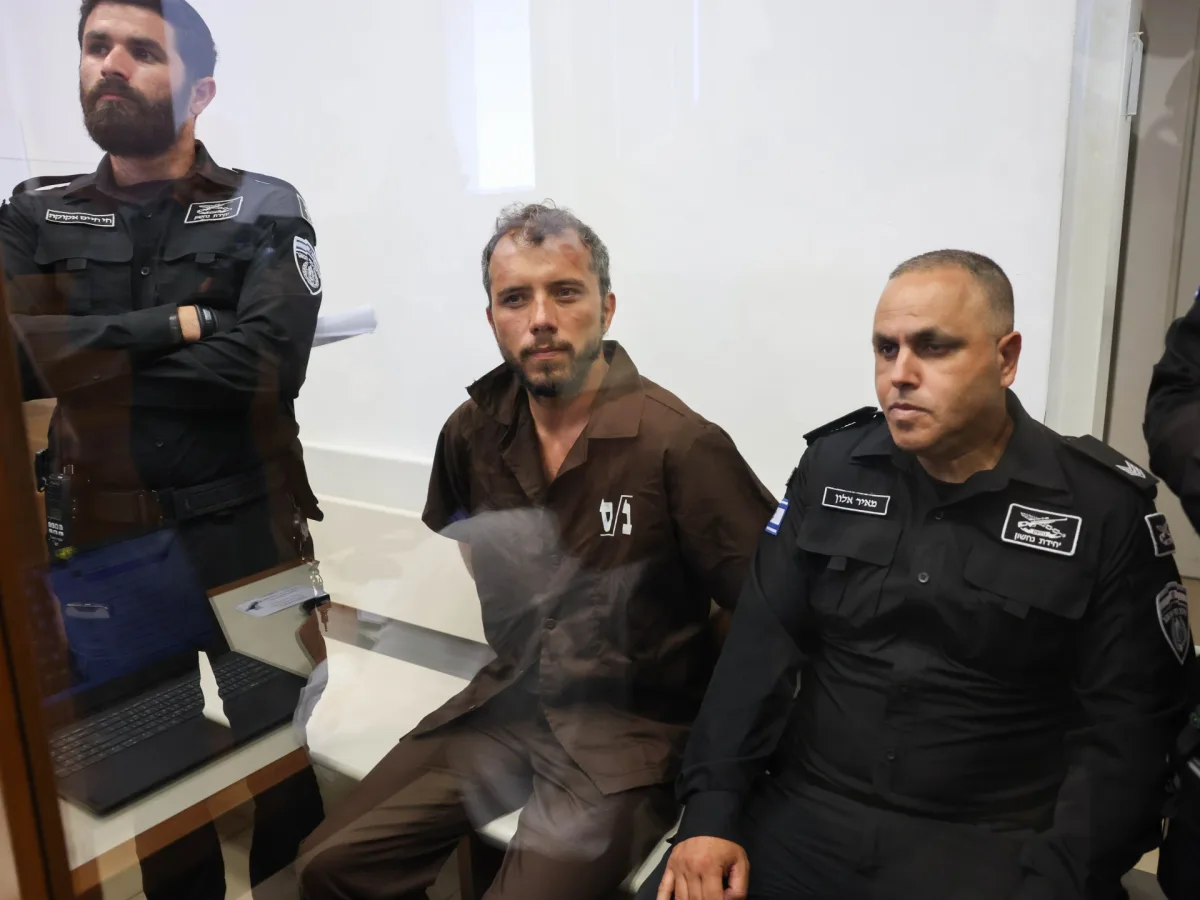
Thiago Ávila, a Brazilian activist, is currently imprisoned in Israel for his participation in a humanitarian flotilla bound for Gaza. The flotilla, which aimed to deliver aid to the Palestinian territory, was intercepted by the Israeli navy. Ávila's imprisonment has sparked outrage among human rights groups and raised questions about Israel's treatment of activists. The Brazilian government has also expressed concern over Ávila's detention. As the situation continues to unfold, it's clear that Ávila's actions have ignited a firestorm of controversy.
The Gaza-bound flotilla, which set sail from Europe, was carrying humanitarian aid, including food, medicine, and construction materials. The flotilla's organizers aimed to break the Israeli blockade of Gaza, which has been in place since 2007. The blockade, imposed by Israel and Egypt, has severely restricted the flow of goods and people in and out of the territory. Ávila, who has been involved in various social justice movements, saw the flotilla as an opportunity to make a difference. He wrote a letter to his daughter, explaining his motivations and the importance of standing up for human rights.
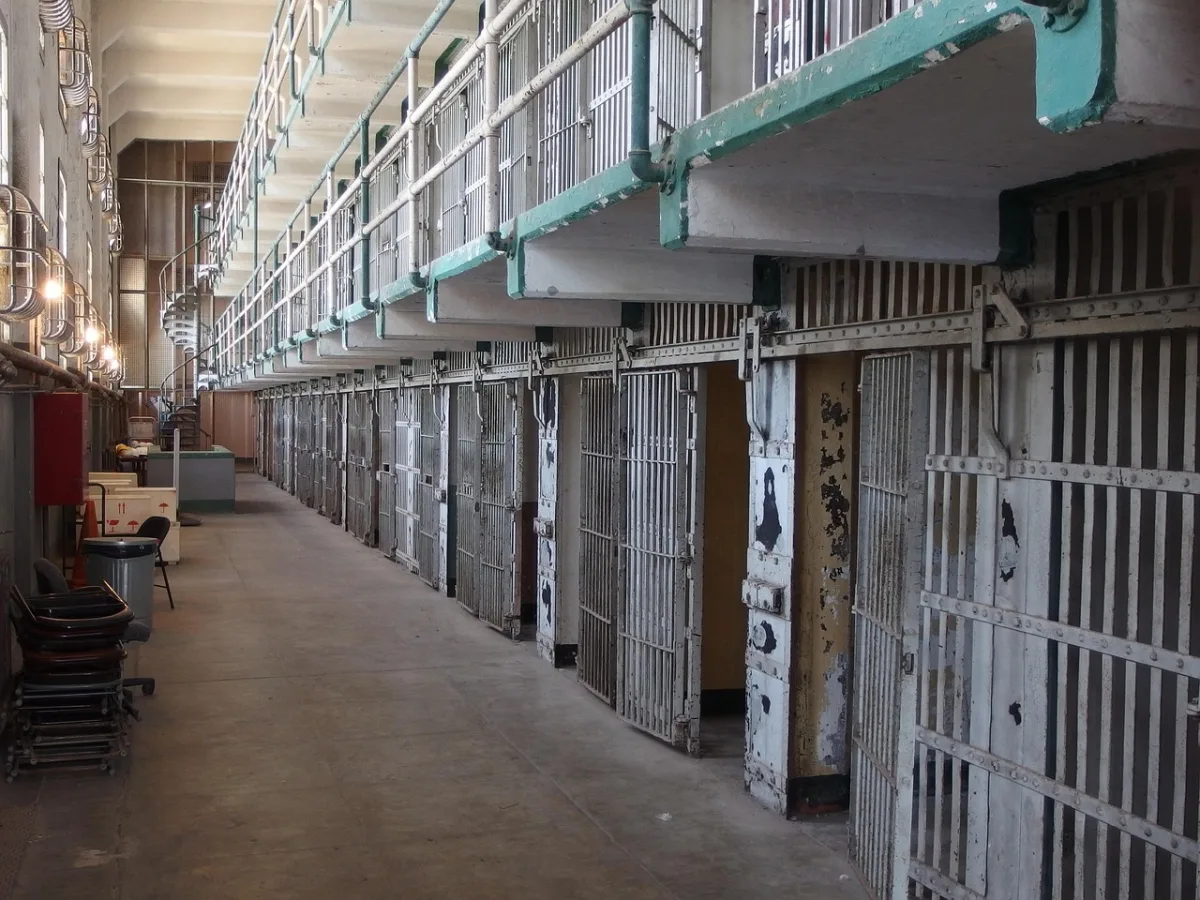
The Israeli navy intercepted the flotilla in international waters, and Ávila was taken into custody along with several other activists. The Israeli government has accused the activists of attempting to breach the blockade and has charged them with various offenses. Ávila's imprisonment has sparked widespread condemnation, with many arguing that he was simply exercising his right to peaceful protest. The Brazilian government has called for Ávila's release, and human rights groups have launched a campaign to raise awareness about his case.
The conflict between Israel and Palestine is a longstanding and complex issue. The two sides have been locked in a bitter dispute over land, identity, and self-determination. The Gaza Strip, which is home to over 2 million Palestinians, has been a focal point of the conflict. The Israeli blockade has had a devastating impact on the territory, with widespread poverty, unemployment, and shortages of basic necessities. Ávila's actions, and those of the other activists, are a testament to the ongoing struggle for human rights and dignity in the region.
Key Facts
- Thiago Ávila is a Brazilian activist who participated in a Gaza-bound humanitarian flotilla.
- The flotilla was intercepted by the Israeli navy in international waters.
- Ávila was taken into custody and is currently imprisoned in Israel.
- The Israeli government has accused Ávila of attempting to breach the blockade.
- The Brazilian government has called for Ávila's release.
- Human rights groups have launched a campaign to raise awareness about Ávila's case.
- The Gaza Strip is home to over 2 million Palestinians.
- The Israeli blockade of Gaza has been in place since 2007.
- The blockade has had a devastating impact on the territory, with widespread poverty and shortages of basic necessities.
Background to the Conflict
The conflict between Israel and Palestine is a longstanding and complex issue. The two sides have been locked in a bitter dispute over land, identity, and self-determination. The Gaza Strip, which is home to over 2 million Palestinians, has been a focal point of the conflict. The Israeli blockade, which has been in place since 2007, has severely restricted the flow of goods and people in and out of the territory. The blockade has had a devastating impact on the territory, with widespread poverty, unemployment, and shortages of basic necessities.
The Israeli government has argued that the blockade is necessary to prevent the smuggling of weapons and materials that could be used to attack Israel. However, human rights groups have argued that the blockade is a form of collective punishment, which is prohibited under international law. The blockade has also had a disproportionate impact on the most vulnerable members of society, including children, women, and the elderly. Ávila's actions, and those of the other activists, are a testament to the ongoing struggle for human rights and dignity in the region.
The international community has called for an end to the blockade and for a lasting resolution to the conflict. The United Nations has passed several resolutions condemning the blockade and calling for its lifting. However, the Israeli government has refused to comply, arguing that the blockade is necessary for its security. The conflict between Israel and Palestine is a complex and deeply entrenched issue, and it will likely require a comprehensive and negotiated solution to resolve.
The Humanitarian Crisis in Gaza
The humanitarian crisis in Gaza is a dire and ongoing issue. The territory has been subjected to repeated wars and conflicts, which have had a devastating impact on the population. The Israeli blockade has severely restricted the flow of goods and people in and out of the territory, leading to widespread poverty, unemployment, and shortages of basic necessities. The crisis has had a disproportionate impact on the most vulnerable members of society, including children, women, and the elderly.
The humanitarian crisis in Gaza is not just a result of the blockade, but also of the repeated wars and conflicts that have ravaged the territory. The 2014 war, which lasted for 50 days, had a devastating impact on the territory, with over 2,000 Palestinians killed and thousands more injured. The war also led to widespread destruction of infrastructure, including homes, schools, and hospitals. The humanitarian crisis in Gaza is a stark reminder of the need for a lasting resolution to the conflict and for an end to the blockade.
The international community has called for an end to the blockade and for a lasting resolution to the conflict. The United Nations has passed several resolutions condemning the blockade and calling for its lifting. However, the Israeli government has refused to comply, arguing that the blockade is necessary for its security. Ávila's actions, and those of the other activists, are a testament to the ongoing struggle for human rights and dignity in the region.
The Role of Activism
Activism plays a crucial role in raising awareness about the humanitarian crisis in Gaza and in pushing for a lasting resolution to the conflict. Ávila's actions, and those of the other activists, are a testament to the power of activism in bringing attention to important issues. The flotilla, which set sail from Europe, was a bold and daring attempt to break the Israeli blockade and to deliver humanitarian aid to the people of Gaza.
"The flotilla was not just a humanitarian mission, but also a political statement," said a spokesperson for the flotilla's organizers. "We wanted to draw attention to the suffering of the people of Gaza and to the need for a lasting resolution to the conflict."
The role of activism in raising awareness about the humanitarian crisis in Gaza cannot be overstated. Activists like Ávila have put their lives on the line to bring attention to the issue and to push for change. The international community has a responsibility to support these efforts and to work towards a lasting resolution to the conflict. The conflict between Israel and Palestine is a complex and deeply entrenched issue, and it will likely require a comprehensive and negotiated solution to resolve.
The Response of the International Community
The international community has responded to the humanitarian crisis in Gaza with a mix of condemnation and inaction. The United Nations has passed several resolutions condemning the blockade and calling for its lifting. However, the Israeli government has refused to comply, arguing that the blockade is necessary for its security. The international community has also provided humanitarian aid to the people of Gaza, but this has been insufficient to address the scale of the crisis.
The response of the international community to the humanitarian crisis in Gaza has been criticized for being inadequate and ineffective. The blockade has been in place for over a decade, and the humanitarian crisis has only worsened over time. The international community has a responsibility to take stronger action to address the crisis and to work towards a lasting resolution to the conflict. Ávila's actions, and those of the other activists, are a testament to the ongoing struggle for human rights and dignity in the region.
The Brazilian government has called for Ávila's release and has expressed concern over his detention. The government has also called for an end to the blockade and for a lasting resolution to the conflict. The Brazilian government's response is a testament to the importance of international solidarity and cooperation in addressing the humanitarian crisis in Gaza.
The Way Forward
The way forward for the people of Gaza is uncertain and challenging. The humanitarian crisis is ongoing, and the conflict between Israel and Palestine shows no signs of abating. However, there are glimmers of hope on the horizon. The international community is increasingly recognizing the need for a lasting resolution to the conflict, and there are efforts underway to negotiate a comprehensive peace agreement.
The way forward will require a sustained and collective effort from the international community. The blockade must be lifted, and the humanitarian crisis must be addressed. The conflict between Israel and Palestine must be resolved through a negotiated peace agreement that recognizes the rights and dignity of both sides. Ávila's actions, and those of the other activists, are a testament to the power of activism and solidarity in bringing attention to important issues and pushing for change.
The conflict between Israel and Palestine is a complex and deeply entrenched issue, and it will likely require a comprehensive and negotiated solution to resolve. The international community has a responsibility to support these efforts and to work towards a lasting resolution to the conflict. The people of Gaza deserve nothing less than to live in dignity and freedom, and it is up to the international community to ensure that this happens.
Conclusion
In conclusion, the imprisonment of Thiago Ávila is a stark reminder of the ongoing struggle for human rights and dignity in the region. The conflict between Israel and Palestine is a complex and deeply entrenched issue, and it will likely require a comprehensive and negotiated solution to resolve. The international community has a responsibility to support these efforts and to work towards a lasting resolution to the conflict. Ávila's actions, and those of the other activists, are a testament to the power of activism and solidarity in bringing attention to important issues and pushing for change. The people of Gaza deserve nothing less than to live in dignity and freedom, and it is up to the international community to ensure that this happens.