

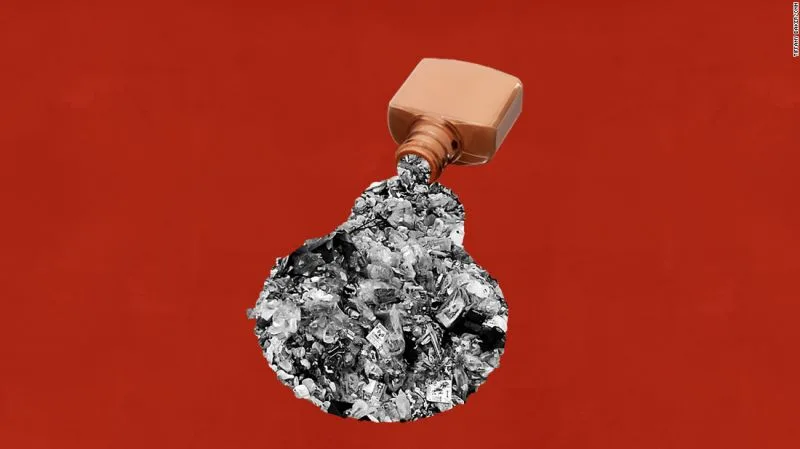
The escalating climate crisis is shifting many people's purchasing patterns, and this extends to the $500 billion dollar global beauty industry. It's not just about looking good; it's about feeling good about what you're putting on your skin and the impact it has on the planet. The beauty industry is grappling with a range of sustainability challenges across product manufacturing, packaging, and disposal. Companies are trying to reduce their carbon footprint, but it's a complex issue. They're facing pressure from consumers, investors, and governments to clean up their act.
But what does 'green' really mean in the beauty industry? It's a term that gets thrown around a lot, but it's often used loosely. Some companies are making genuine efforts to reduce waste, use recyclable materials, and source ingredients sustainably. Others are just slapping a 'green' label on their products without making any real changes. The result is a patchwork of efforts that don't always add up to meaningful progress.
And it's not just about the products themselves; it's about the entire supply chain, from farming and manufacturing to packaging and distribution.
The beauty industry's sustainability challenges are deeply intertwined with its business model. Companies are driven by the need to constantly innovate and launch new products, which can lead to a 'take, make, dispose' approach. This linear economy is inherently wasteful, and it's contributing to the industry's significant environmental impact. But there are signs that things are starting to change. Some companies are exploring new business models, such as product refill schemes and subscription services, that could help reduce waste and promote more sustainable consumption patterns.
So, what's driving the demand for 'green' beauty products? It's largely consumer-led, with people becoming increasingly aware of the impact of their purchasing decisions on the environment. Social media has played a significant role in raising awareness about sustainability issues, and it's also created a platform for consumers to hold companies accountable. The beauty industry is responding to this pressure, but it's a slow and uneven process. Some companies are making significant investments in sustainability, while others are lagging behind.
Key Facts
- The global beauty industry is worth $500 billion
- The industry is grappling with sustainability challenges across product manufacturing, packaging, and disposal
- Companies are facing pressure from consumers, investors, and governments to clean up their act
- The beauty industry's sustainability challenges are deeply intertwined with its business model
- Some companies are exploring new business models, such as product refill schemes and subscription services
- Consumer demand for 'green' beauty products is driving change in the industry
- Social media has played a significant role in raising awareness about sustainability issues
- The beauty industry's environmental impact is significant, with the production and disposal of packaging being a major concern
The Business of Beauty
The beauty industry is a complex and multifaceted sector, with a wide range of companies operating in different markets and categories. From high-end luxury brands to mass-market retailers, the industry is characterized by intense competition and a constant need to innovate. This drive for innovation can lead to a 'fast fashion' approach to product development, with companies prioritizing speed and profitability over sustainability. But some companies are starting to challenge this model, exploring new ways of doing business that prioritize the environment and social responsibility.
The business of beauty is also closely tied to the concept of 'greenwashing', where companies make exaggerated or misleading claims about the sustainability of their products. This can be damaging to consumer trust and can undermine the credibility of the industry as a whole. Companies need to be transparent about their sustainability efforts and provide clear evidence to support their claims. This includes disclosing information about their supply chains, manufacturing processes, and environmental impact.
And it's not just about the companies themselves; it's about the entire ecosystem of stakeholders that support the beauty industry. This includes suppliers, manufacturers, distributors, and retailers, all of whom play a critical role in shaping the industry's sustainability performance. Companies need to work collaboratively with these stakeholders to drive change and promote more sustainable practices throughout the supply chain.
The Impact of Social Media
Social media has played a significant role in raising awareness about sustainability issues in the beauty industry. Platforms like Instagram and YouTube have created a space for consumers to share their experiences and opinions about different products and brands. This has helped to build a sense of community and shared values around sustainability, with consumers holding companies accountable for their environmental impact. Social media influencers have also become key players in promoting sustainable beauty products and practices, using their platforms to educate and inspire their followers.
But social media can also be a double-edged sword, with the constant stream of information and advertising contributing to a 'noise' that can be overwhelming and confusing. Consumers need to be able to cut through the noise and make informed decisions about the products they buy. This requires companies to be transparent and honest about their sustainability efforts, providing clear and credible information to support their claims.
The Role of Government Regulation
Government regulation can play a critical role in driving sustainability in the beauty industry. By setting clear standards and guidelines for environmental performance, governments can create a level playing field for companies and provide a framework for action. This can include regulations around packaging, waste management, and chemical safety, as well as incentives for companies to invest in sustainable practices. Governments can also provide support for research and development, helping companies to innovate and develop new sustainable technologies.
The role of government regulation is closely tied to the concept of 'extended producer responsibility', where companies are held accountable for the environmental impact of their products throughout their entire lifecycle. This approach recognizes that companies have a responsibility to manage the waste and pollution associated with their products, from production to disposal. By extending producer responsibility, governments can create a more circular economy, where companies prioritize sustainability and reduce waste.
The Future of Sustainable Beauty
The future of sustainable beauty is uncertain, but it's clear that the industry is at a turning point. Companies are starting to recognize the importance of sustainability, and consumers are driving demand for 'green' products. But there's still a long way to go, with significant challenges to overcome. The industry needs to work collaboratively to drive change, with companies, governments, and consumers all playing a critical role.
The beauty industry has the power to make a significant positive impact on the environment, but it requires a fundamental shift in the way companies do business. It's not just about launching new 'green' products or making sustainability claims; it's about transforming the entire business model to prioritize the environment and social responsibility.
The future of sustainable beauty is also closely tied to the concept of 'circular economy', where companies design products and systems that are restorative and regenerative by design. This approach recognizes that the traditional 'take, make, dispose' model is no longer sustainable, and that companies need to prioritize the reuse and recycling of materials. By embracing circular economy principles, the beauty industry can reduce waste, promote sustainable consumption patterns, and create a more regenerative and restorative system.
Challenges and Opportunities
The beauty industry faces significant challenges in its pursuit of sustainability, from the complexity of global supply chains to the lack of standardization around environmental performance. But these challenges also present opportunities for innovation and growth, with companies that prioritize sustainability well-placed to capitalize on the growing demand for 'green' products. The industry needs to work collaboratively to address these challenges, with companies, governments, and consumers all playing a critical role.
The beauty industry's sustainability challenges are also closely tied to the concept of 'systems thinking', where companies recognize the interconnectedness of different systems and prioritize holistic solutions. This approach recognizes that sustainability is not just about individual products or companies; it's about the entire system, from production to disposal. By adopting a systems thinking approach, the beauty industry can identify opportunities for innovation and improvement, and create a more sustainable and regenerative system.
And it's not just about the industry itself; it's about the broader social and environmental context in which it operates. The beauty industry is part of a larger system, with its sustainability performance closely tied to the health of the planet and the well-being of society. Companies need to recognize this context and prioritize sustainability, not just as a business strategy, but as a moral imperative.