

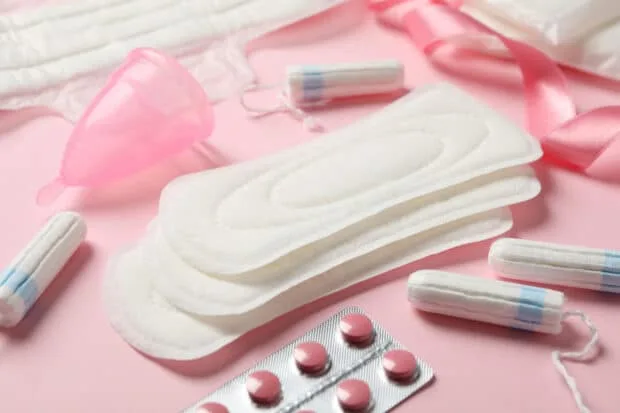
For too long, mentioning your period in South Korea was like admitting to a shameful mistake you had to hide in your handbag. It was a private discomfort, something you managed in silence behind closed doors to avoid making anyone else uncomfortable. Today, that social cage is finally cracking as the government moves to reframe menstrual health as a basic human right rather than a hidden burden.
As the world observes Menstrual Hygiene Day this May 28, 2026, the shift is becoming visible in actual policy. The Ministry of Gender Equality and Family, along with other government agencies, is preparing to expand public access to menstrual products. This isn't just about charity; it's about acknowledging that for many, the cost of these products is a barrier to dignity, education, and work. When you're struggling to pay for basics, a box of sanitary pads shouldn't be the item you have to cross off your list.
This movement has gained momentum because the veil of silence finally broke. Reports of 'menstrual poverty'—where girls and women go without proper supplies because they can't afford them—forced the public to look at a problem they used to ignore. Concerns over the safety of commercial products also fueled the fire, as people began questioning what exactly they were putting into their bodies. It wasn't just about 'that time of the month'; it became a conversation about safety, public health standards, and government accountability.
In many parts of the world, like back home in Nigeria or here in the Philippines, we understand how cultural stigmas can turn natural biological processes into sources of embarrassment. Here in Manila, you might see schools or barangay health centers trying to provide kits for students, but it’s often hit or miss. South Korea is taking a more structured approach, treating it as a national priority. They’re moving away from the idea that this is a private family issue and toward the reality that it is a community concern that requires state-level attention.
This policy change matters because it changes the narrative for the next generation. A 15-year-old girl shouldn't feel like her period is a penalty she has to pay in silence. When governments normalize the provision of menstrual supplies in public spaces—like libraries, government offices, and schools—they're effectively saying that these bodies and these lives are valued. It removes the 'hush-hush' energy that has kept so many women from getting the support they deserve.
Think of the long-term impact on workplace equality, too. In a country where corporate culture is famously intense, having guaranteed, accessible supplies means one less stressful hurdle for women to jump over during a busy workday. Providing these items directly removes a financial and logistical burden from the daily professional experience. It's a practical, tangible shift that makes a difference in daily life. This is about making sure that menstruation doesn't stop anyone from showing up, performing at their best, or feeling comfortable in their own skin.
Beyond just the products, the conversation is expanding to include education and medical support. There’s a push for better training for health workers and teachers so they can talk about menstruation without the awkwardness or outdated myths that have persisted for generations. By integrating these discussions into public health campaigns, the government is stripping away the mystery and replacing it with facts and support. It’s high time that biological realities stopped being treated like social taboos.
The logistical challenge now lies in the rollout. Where do these supplies go first? How do you ensure the quality is consistent across different regions, from the busy streets of Seoul to the quieter, rural provinces? These are the questions that will define whether this policy actually reaches the people who need it or just becomes another document gathering dust on a shelf. The intent is there, but the execution will be the real test of whether the government is truly committed to this change.
If this succeeds, it sets a massive precedent for the rest of Asia. It shows that you don't have to be a 'developed' nation to recognize that menstrual hygiene is a fundamental right. It’s an example of how changing public opinion can eventually force the hands of politicians who used to think they could just look the other way. For every woman who has ever had to improvise or skip a day of school or work because she couldn't access what she needed, this represents concrete progress.