

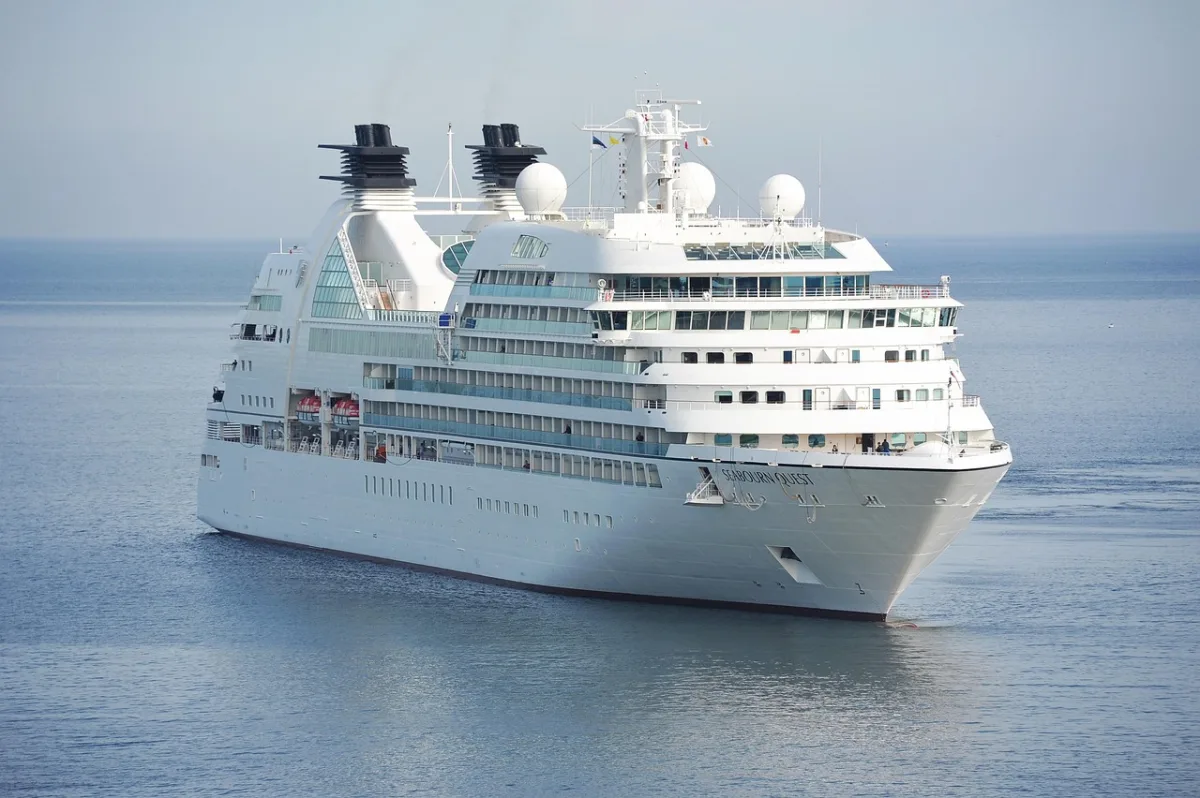
A cruise ship in the middle of the ocean isn't typically where you'd expect to find a viral outbreak. Yet, that's exactly what's happening on one ship, where the World Health Organization (WHO) is investigating a possible outbreak of hantavirus. This virus is rare, and it's even more rare for it to spread between humans. So, when two cases were confirmed on the ship, and three people died, the WHO took notice.
The cruise ship, which wasn't named by the WHO, had been traveling through multiple countries before the outbreak occurred. It's not clear where the virus originated, but the WHO is working to determine the source and prevent further transmission. Hantavirus is typically spread through contact with infected rodents or their droppings, but in rare cases, it can be spread between humans. This is what's making the WHO so concerned - the possibility of human-to-human transmission.
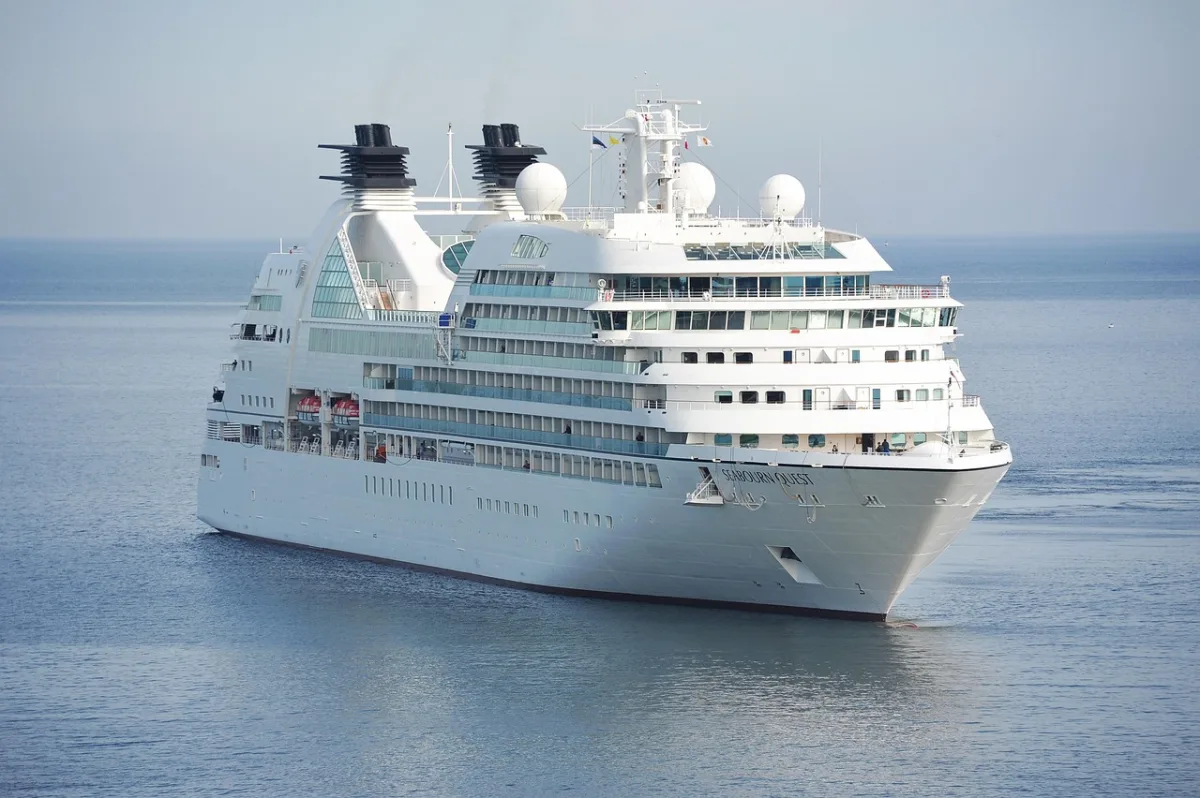
The WHO has sent a team to the ship to investigate the outbreak and provide assistance to the crew and passengers. They're working to identify anyone who may have been exposed to the virus and provide them with medical attention. The WHO is also working with the ship's crew to clean and disinfect the ship, and to prevent further transmission. It's a big job, but the WHO is taking it seriously.
The hantavirus outbreak on the cruise ship is a rare incident, but it's not the first time the virus has been a concern. In the past, there have been outbreaks in the United States, South America, and Asia. The virus is typically spread through contact with infected rodents or their droppings, and it can cause severe symptoms, including fever, headache, and muscle pain. In severe cases, it can cause respiratory failure, which can be fatal.
Key Facts
- Two cases of hantavirus have been confirmed on the cruise ship
- Three people have died from the virus
- The WHO is investigating the outbreak and providing assistance to the crew and passengers
- The ship had been traveling through multiple countries before the outbreak occurred
- Hantavirus is typically spread through contact with infected rodents or their droppings
- The virus can cause severe symptoms, including fever, headache, and muscle pain
- In severe cases, it can cause respiratory failure, which can be fatal
- The WHO is working to determine the source of the outbreak and prevent further transmission
What is Hantavirus?
Hantavirus is a rare but potentially deadly virus that's typically spread through contact with infected rodents or their droppings. It's not typically spread between humans, but in rare cases, it can be. The virus can cause severe symptoms, including fever, headache, and muscle pain. In severe cases, it can cause respiratory failure, which can be fatal. The WHO is taking the outbreak on the cruise ship seriously, and they're working to prevent further transmission.

The symptoms of hantavirus can be similar to those of the flu, which can make it difficult to diagnose. However, if you've been exposed to the virus, it's essential to seek medical attention immediately. The WHO is working to educate the crew and passengers on the ship about the risks of hantavirus and how to prevent transmission. They're also working to identify anyone who may have been exposed to the virus and provide them with medical attention.
The hantavirus outbreak on the cruise ship is a concern, but it's not the first time the virus has been a concern. In the past, there have been outbreaks in the United States, South America, and Asia. The virus is typically spread through contact with infected rodents or their droppings, and it can cause severe symptoms. The WHO is working to prevent further transmission and to educate people about the risks of hantavirus.
How is the WHO Responding?
The WHO is taking the hantavirus outbreak on the cruise ship seriously, and they're working to prevent further transmission. They've sent a team to the ship to investigate the outbreak and provide assistance to the crew and passengers. They're working to identify anyone who may have been exposed to the virus and provide them with medical attention. The WHO is also working with the ship's crew to clean and disinfect the ship, and to prevent further transmission.
The WHO is working closely with the ship's crew and the countries where the ship has traveled to determine the source of the outbreak. They're also working to educate people about the risks of hantavirus and how to prevent transmission. The WHO is taking a proactive approach to preventing further transmission, and they're working to ensure that everyone on the ship is safe.
The WHO's response to the outbreak is a testament to their commitment to public health. As Dr. Maria Van Kerkhove, a WHO expert, says, "The WHO is working tirelessly to prevent further transmission of the virus and to ensure that everyone on the ship is safe. We're taking a proactive approach to preventing further transmission, and we're working closely with the ship's crew and the countries where the ship has traveled."
The WHO's response to the outbreak is also a testament to their ability to respond quickly and effectively to public health emergencies. The WHO has a long history of responding to outbreaks and emergencies around the world, and they're well-equipped to handle the hantavirus outbreak on the cruise ship. They're working to prevent further transmission, and they're working to ensure that everyone on the ship is safe.
The Impact on the Cruise Ship Industry
The hantavirus outbreak on the cruise ship is a concern for the cruise ship industry as a whole. The industry is already facing challenges, including concerns about safety and security. The outbreak is likely to have a significant impact on the industry, and it may lead to changes in the way that cruise ships operate. The WHO is working with the cruise ship industry to prevent further transmission of the virus, and they're working to educate people about the risks of hantavirus.
The cruise ship industry is a significant contributor to the global economy, and it's an important source of employment for many people. However, the industry is also facing challenges, including concerns about safety and security. The hantavirus outbreak on the cruise ship is a concern, and it may lead to changes in the way that cruise ships operate. The WHO is working to prevent further transmission of the virus, and they're working to educate people about the risks of hantavirus.
The hantavirus outbreak on the cruise ship is also a concern for the people who work on cruise ships. The outbreak may lead to changes in the way that cruise ships operate, and it may lead to increased scrutiny of the industry. However, the WHO is working to prevent further transmission of the virus, and they're working to educate people about the risks of hantavirus. The WHO is also working to support the people who work on cruise ships, and they're working to ensure that they have the resources they need to stay safe.
The Role of the WHO
The WHO is playing a critical role in responding to the hantavirus outbreak on the cruise ship. The WHO is working to prevent further transmission of the virus, and they're working to educate people about the risks of hantavirus. The WHO is also working to support the people who work on cruise ships, and they're working to ensure that they have the resources they need to stay safe.
The WHO is a specialized agency of the United Nations, and it's responsible for international public health. The WHO has a long history of responding to outbreaks and emergencies around the world, and they're well-equipped to handle the hantavirus outbreak on the cruise ship. The WHO is working closely with the ship's crew and the countries where the ship has traveled to determine the source of the outbreak.
The WHO is also working to prevent further transmission of the virus, and they're working to educate people about the risks of hantavirus. The WHO is taking a proactive approach to preventing further transmission, and they're working to ensure that everyone on the ship is safe. The WHO's response to the outbreak is a testament to their commitment to public health, and it's a reminder of the important role that they play in keeping people safe.
What's Next?
The hantavirus outbreak on the cruise ship is a concern, and it's likely to have a significant impact on the cruise ship industry. The WHO is working to prevent further transmission of the virus, and they're working to educate people about the risks of hantavirus. The WHO is also working to support the people who work on cruise ships, and they're working to ensure that they have the resources they need to stay safe.
The WHO is taking a proactive approach to preventing further transmission, and they're working to ensure that everyone on the ship is safe. The WHO is also working to determine the source of the outbreak, and they're working to prevent further transmission. The WHO's response to the outbreak is a testament to their commitment to public health, and it's a reminder of the important role that they play in keeping people safe.
The hantavirus outbreak on the cruise ship is a concern, but it's not the first time the virus has been a concern. In the past, there have been outbreaks in the United States, South America, and Asia. The virus is typically spread through contact with infected rodents or their droppings, and it can cause severe symptoms. The WHO is working to prevent further transmission, and they're working to educate people about the risks of hantavirus.