

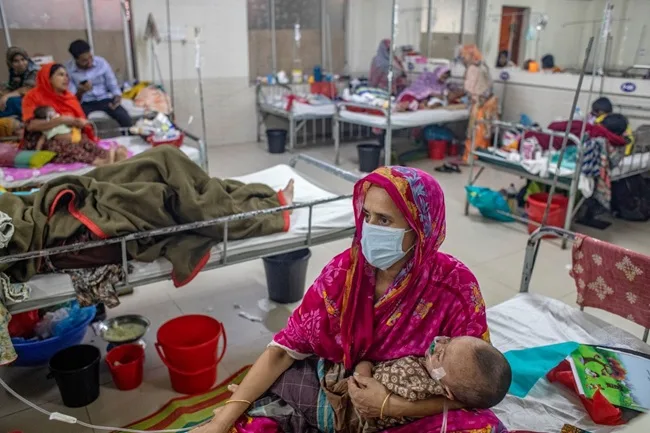
The situation in Bangladesh is dire, with a measles outbreak spreading rapidly across the country. It's a highly contagious disease that can be prevented with a vaccine, but many children in Bangladesh haven't received the necessary shots. As a result, they're falling ill, and in some cases, dying from complications related to the disease. The outbreak is a stark reminder of the challenges faced by Bangladesh's healthcare system, which is struggling to provide adequate care to those in need.
The measles outbreak is particularly concerning because it's affecting children under the age of five, who are most vulnerable to the disease. These young children are more likely to experience severe symptoms, including high fever, cough, and runny nose, which can lead to complications like pneumonia and encephalitis. In some cases, the disease can cause permanent damage, including blindness, deafness, and brain damage. The outbreak has raised questions about the effectiveness of Bangladesh's vaccination efforts and whether more needs to be done to protect children from preventable diseases.
Bangladesh has made significant progress in recent years in reducing child mortality rates, but the measles outbreak is a setback. The country has a large population, with many people living in densely populated areas, which makes it easier for diseases like measles to spread quickly. The outbreak has also highlighted the need for improved healthcare infrastructure, including better-equipped hospitals and more trained healthcare workers. The government has responded to the outbreak by launching a vaccination campaign, but it's unclear whether it will be enough to contain the spread of the disease.
The measles outbreak in Bangladesh is a complex issue, with many factors contributing to its spread. One of the main challenges is the lack of access to healthcare services, particularly in rural areas. Many people in these areas can't afford to travel to urban centers for medical care, which means they often go without treatment. This can lead to the spread of diseases like measles, which can have devastating consequences. The outbreak has also raised concerns about the role of poverty and malnutrition in exacerbating the disease.
Children who are malnourished are more likely to experience severe symptoms, which can increase the risk of complications and death.
Key Facts
- The measles outbreak in Bangladesh has claimed the lives of several children.
- The disease is highly contagious and can be prevented with a vaccine.
- Bangladesh has a large population, with many people living in densely populated areas.
- The country has made significant progress in reducing child mortality rates in recent years.
- The measles outbreak has raised concerns about the effectiveness of Bangladesh's vaccination efforts.
- The government has launched a vaccination campaign to contain the spread of the disease.
- The outbreak has highlighted the need for improved healthcare infrastructure, including better-equipped hospitals and more trained healthcare workers.
Background
The measles outbreak in Bangladesh is not an isolated incident. The country has struggled with outbreaks of infectious diseases in the past, including dengue fever and cholera. These outbreaks have often been linked to poor sanitation, inadequate healthcare services, and a lack of awareness about disease prevention. The measles outbreak is a reminder that more needs to be done to address these underlying issues and prevent the spread of diseases. Bangladesh has made progress in recent years, but there is still a long way to go in terms of improving healthcare services and reducing poverty.
The measles vaccine is a highly effective way to prevent the disease, but it's not always accessible to those who need it. In some areas of Bangladesh, the vaccine is in short supply, which can make it difficult for parents to get their children vaccinated. This can be due to a variety of factors, including a lack of funding, inadequate transportation, and insufficient storage facilities. The government has acknowledged these challenges and is working to improve access to the vaccine, but it's an ongoing struggle. The measles outbreak has highlighted the need for a more comprehensive approach to disease prevention, one that includes not only vaccination but also education and awareness-raising efforts.
Bangladesh's healthcare system is facing significant challenges, including a shortage of trained healthcare workers and a lack of resources. The country has a large population, with many people living in rural areas, which can make it difficult to provide adequate healthcare services. The government has launched initiatives to improve healthcare services, including the construction of new hospitals and the training of more healthcare workers. However, these efforts are often hindered by a lack of funding and inadequate infrastructure. The measles outbreak has raised concerns about the ability of the healthcare system to respond to emergencies and provide adequate care to those in need.
Response to the Outbreak
The government of Bangladesh has responded to the measles outbreak by launching a vaccination campaign. The campaign aims to vaccinate all children under the age of five, as well as any adults who may be at risk of contracting the disease. The government has also established a task force to coordinate the response to the outbreak, which includes representatives from the health ministry, as well as other government agencies and non-governmental organizations. The task force is working to improve access to healthcare services, including vaccination, and to raise awareness about disease prevention.
The vaccination campaign is a critical component of the response to the outbreak, but it's not without its challenges. In some areas, the vaccine is in short supply, which can make it difficult to vaccinate all those who need it. Additionally, there may be concerns about the safety and efficacy of the vaccine, which can make it harder to persuade parents to get their children vaccinated. The government is working to address these concerns and to improve access to the vaccine, but it's an ongoing effort. The measles outbreak has highlighted the need for a more comprehensive approach to disease prevention, one that includes not only vaccination but also education and awareness-raising efforts.
The response to the measles outbreak in Bangladesh is a complex and multifaceted effort, involving many different stakeholders and organizations. The government is working closely with non-governmental organizations, including the World Health Organization (WHO) and the United Nations Children's Fund (UNICEF), to coordinate the response to the outbreak. These organizations are providing technical assistance and support, including the provision of vaccines and other medical supplies. The response to the outbreak is also being supported by local communities, which are playing a critical role in raising awareness about disease prevention and promoting vaccination efforts.
Impact on Children
The measles outbreak in Bangladesh is having a devastating impact on children, particularly those under the age of five. These young children are most vulnerable to the disease, and are more likely to experience severe symptoms, including high fever, cough, and runny nose. In some cases, the disease can cause permanent damage, including blindness, deafness, and brain damage. The outbreak has raised concerns about the long-term impact on children's health and well-being, as well as the potential for lasting damage to their cognitive and physical development.
The measles outbreak is a tragic reminder of the importance of vaccination and disease prevention. As Dr. Maria Van Kerkhove, a leading expert on infectious diseases, notes, "Measles is a highly contagious disease that can be prevented with a vaccine. It's essential that we do everything we can to protect children from this disease, including ensuring that they have access to vaccination and other healthcare services."
The measles outbreak has also highlighted the need for improved nutrition and healthcare services for children. Malnourished children are more likely to experience severe symptoms, which can increase the risk of complications and death. The government is working to improve access to nutrition and healthcare services, including the provision of food supplements and other forms of support. However, these efforts are often hindered by a lack of funding and inadequate infrastructure. The measles outbreak has raised concerns about the ability of the healthcare system to respond to emergencies and provide adequate care to those in need.
Economic Impact
The measles outbreak in Bangladesh is not only a health crisis, but also an economic one. The outbreak has already had a significant impact on the country's economy, with many businesses and industries affected by the spread of the disease. The tourism industry, for example, has been particularly hard hit, with many tourists canceling their trips to Bangladesh due to concerns about the outbreak. The outbreak has also had an impact on the country's agricultural sector, with many farmers unable to work due to illness or fear of contracting the disease.
The economic impact of the measles outbreak is likely to be felt for some time, even after the disease has been brought under control. The outbreak has highlighted the need for improved healthcare infrastructure, including better-equipped hospitals and more trained healthcare workers. The government is working to address these challenges, but it will require significant investment and resources. The measles outbreak has raised concerns about the ability of the government to respond to emergencies and provide adequate care to those in need.
The measles outbreak in Bangladesh has also had an impact on the country's education system. Many schools have been closed due to the outbreak, which has disrupted the education of thousands of children. The government is working to reopen schools and resume classes, but it's unclear when this will happen. The outbreak has highlighted the need for improved access to education, particularly in rural areas where schools may be few and far between. The measles outbreak has raised concerns about the long-term impact on children's education and cognitive development.
International Response
The international community has responded to the measles outbreak in Bangladesh with concern and support. The WHO and UNICEF have both issued statements expressing concern about the outbreak and offering support to the government of Bangladesh. The WHO has also provided technical assistance and guidance on how to respond to the outbreak, including the provision of vaccines and other medical supplies. The international community is working closely with the government of Bangladesh to coordinate the response to the outbreak and provide support to those affected.
The international response to the measles outbreak in Bangladesh is a critical component of the effort to bring the disease under control. The WHO and UNICEF are working closely with the government to improve access to healthcare services, including vaccination and other forms of medical care. The international community is also providing support to local communities, which are playing a critical role in raising awareness about disease prevention and promoting vaccination efforts. The measles outbreak has highlighted the need for a more comprehensive approach to disease prevention, one that includes not only vaccination but also education and awareness-raising efforts.
The measles outbreak in Bangladesh has also raised concerns about the global response to infectious diseases. The outbreak has highlighted the need for improved coordination and communication between countries, as well as the need for more effective disease surveillance and monitoring. The international community is working to address these challenges, including the development of new technologies and strategies for disease prevention and control. The measles outbreak has raised concerns about the ability of the global community to respond to emergencies and provide adequate care to those in need.
Conclusion
The measles outbreak in Bangladesh is a complex and multifaceted crisis, with significant implications for the country's healthcare system, economy, and education sector. The outbreak has highlighted the need for improved access to healthcare services, including vaccination and other forms of medical care. It has also raised concerns about the ability of the government to respond to emergencies and provide adequate care to those in need. The international community is working closely with the government of Bangladesh to coordinate the response to the outbreak and provide support to those affected. The measles outbreak is a reminder of the importance of disease prevention and the need for a more comprehensive approach to healthcare, one that includes not only vaccination but also education and awareness-raising efforts.
The measles outbreak in Bangladesh is a tragic reminder of the importance of vaccination and disease prevention. The outbreak has already claimed the lives of several children, and it's unclear how many more will be affected. The government and international community are working to bring the disease under control, but it will require significant investment and resources. The measles outbreak has raised concerns about the ability of the healthcare system to respond to emergencies and provide adequate care to those in need. It's essential that we do everything we can to protect children from this disease, including ensuring that they have access to vaccination and other healthcare services.
The measles outbreak in Bangladesh is a wake-up call for the global community, highlighting the need for improved coordination and communication between countries, as well as the need for more effective disease surveillance and monitoring. The outbreak has raised concerns about the ability of the global community to respond to emergencies and provide adequate care to those in need. It's essential that we work together to address these challenges and develop new technologies and strategies for disease prevention and control. The measles outbreak is a reminder of the importance of disease prevention and the need for a more comprehensive approach to healthcare, one that includes not only vaccination but also education and awareness-raising efforts.
Future Outlook
The future outlook for the measles outbreak in Bangladesh is uncertain, but it's clear that the country will need to continue to work to improve access to healthcare services, including vaccination and other forms of medical care. The government and international community will need to work together to develop new strategies and technologies for disease prevention and control, including the development of new vaccines and treatments. The measles outbreak has highlighted the need for a more comprehensive approach to healthcare, one that includes not only vaccination but also education and awareness-raising efforts.
The measles outbreak in Bangladesh has also raised concerns about the long-term impact on children's health and well-being, as well as the potential for lasting damage to their cognitive and physical development. The government and international community will need to work together to provide support to children and families affected by the outbreak, including the provision of food supplements and other forms of support. The measles outbreak is a reminder of the importance of disease prevention and the need for a more comprehensive approach to healthcare, one that includes not only vaccination but also education and awareness-raising efforts.
The measles outbreak in Bangladesh is a complex and multifaceted crisis, with significant implications for the country's healthcare system, economy, and education sector. The outbreak has highlighted the need for improved access to healthcare services, including vaccination and other forms of medical care. It has also raised concerns about the ability of the government to respond to emergencies and provide adequate care to those in need. The international community is working closely with the government of Bangladesh to coordinate the response to the outbreak and provide support to those affected. The measles outbreak is a reminder of the importance of disease prevention and the need for a more comprehensive approach to healthcare, one that includes not only vaccination but also education and awareness-raising efforts.