

The Strategy Shift in Cyprus
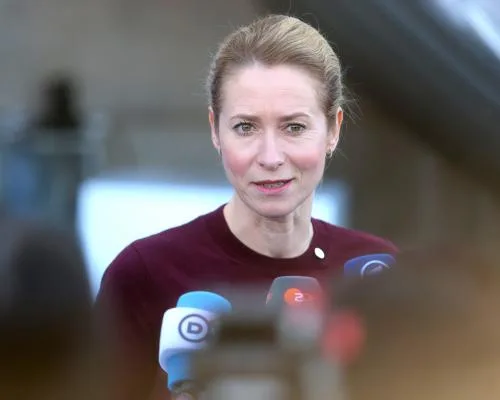
The European Union’s foreign policy chief, Kaja Kallas, has warned against a calculated Russian “trap” as ministers gather in Cyprus for informal strategy talks. The former Estonian prime minister argues that focusing on which individual should lead potential peace negotiations with Moscow is exactly what the Kremlin wants. By obsessing over personalities, she warns that European leaders risk losing sight of the substance needed to actually end the war in Ukraine.
Kallas, who took on her role as the bloc’s high representative after leading Estonia, stressed that any deal will require a unified team effort rather than a solo performance. The debate over who sits at the table is currently creating a visible divide among EU members. While some officials advocate for a single chief negotiator to streamline the process, others fear this could lead to the wrong person being selected.
"It’s a trap that Russia wants us to walk into, that we discuss who talks to them, and they are already picking who is suitable, who is not. Let’s not walk into that trap."
Divided Voices Across the Bloc
Beate Meinl-Reisinge, representing Austria, is among those pushing for a formal appointment. She calls it a necessary step for the bloc to move beyond its own national interests. Luxembourg’s foreign minister, Xavier Bettel, offered a more creative, if slightly cynical, suggestion to manage the optics. He floated the idea of a “triad” consisting of former heads of state or retired ministers, joking that ex-politicians are likely less concerned about winning a Nobel Peace Prize than their active counterparts.
The “eastern flank” leaders—including Estonia’s Margus Tsahkna and Lithuania’s Kestutis Budrys—are firmly in Kallas's camp. They argue that discussions about who attends the table are premature. Tsahkna went a step further, suggesting that anyone who thinks they can head to Moscow for serious talks right now is delusional. He noted that such a person wouldn't be securing a Nobel prize, as there isn't currently a basis for genuine dialogue.
The Real Leverage Points
Beyond the talk of individual negotiators, Kallas highlighted the fundamental reality of any future arrangement: the EU holds the cards regarding sanctions. If Russia wants relief from the punishing economic measures currently in place, they have to deal with European decision-makers. The foreign policy chief views the Kremlin’s recent threats to strike Kyiv as an admission of battlefield failure rather than a show of strength.
She described these intensified attacks on civilian infrastructure as essentially terror tactics, aimed at breaking public spirit through fear. This approach hasn't been effective for the four years since the conflict escalated. The focus in Cyprus is on establishing a coherent "good cop, bad cop" strategy. This ensures that when talks eventually occur, the bloc speaks with a single, authoritative voice.
Bilateral Complications in Brussels
While Cyprus handles the peace strategy, the political machinery in Brussels is grinding on with its own set of headaches. Hungary’s new prime minister, Péter Magyar, is making his rounds but notably skipped the anticipated discussions regarding frozen EU funds during his first sit-downs. Instead, he prioritised meetings with Belgium’s prime minister, Bart de Wever, and NATO Secretary General Mark Rutte.
This delay regarding the cash trapped in EU coffers suggests that the technical and political wrangling over Orbán-era reforms hasn't been resolved. Romania’s Rumen Radev is also lobbying in Brussels, desperately trying to secure unused funds before an impending August expiry deadline. All of this is happening against the backdrop of an unusual May heatwave, which continues to bake large swaths of Western Europe. This adds a layer of physical discomfort to the already high-pressure political environment.