

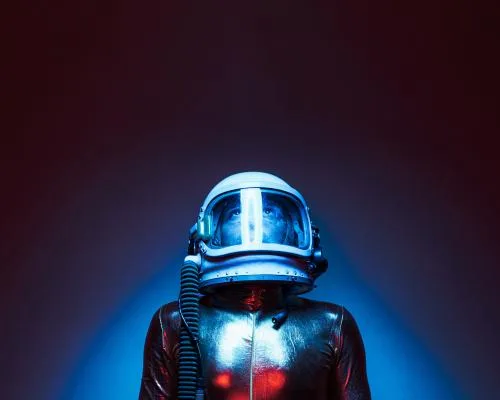
The world of science fiction and fantasy is always evolving, with new authors and books emerging all the time. Recently, several exciting releases have caught our attention, each offering a unique take on the genres. Mahmud El Sayed's The Republic of Memory, for example, is a thought-provoking space opera that explores the complexities of language, culture, and power. Set on a massive spaceship, the story follows a group of characters as they navigate the challenges of living in a multicultural society.
One of the most interesting aspects of The Republic of Memory is its use of language. The book features two official languages, Inglez and Arabek, as well as a third, unofficial language called Nupol. This argot, made up of many "dead Earth" languages, adds a distinctive flavor to the story and allows the author to explore themes of identity and communication. As Iskander Ezz, the book's protagonist, notes, "when you speak a different language, you become another person." This idea is at the heart of the novel, which uses language to examine the complexities of human relationships and the power dynamics at play in any society.
The Rainshadow Orphans, by Naomi Ishiguro, is another recent release that's generating buzz. This book is the first volume in a trilogy inspired by Japanese pop culture, and it's a wildly entertaining ride. The story follows three siblings, Toshiko, Jun, and Mei, as they seek revenge against the Lucky Crow gang for the murder of their adoptive aunt. Along the way, they become embroiled in a conspiracy involving magic, robots, and a mother dragon desperate to save her baby's life. It's a trope-heavy, action-packed adventure that's sure to appeal to fans of anime and manga.
No Ghosts, by Max Lury, is a very different kind of book. This ghost story is set in a world where the supernatural has disappeared, and psychics and mediums are struggling to find meaning in a world without ghosts. The story follows Kieran, a young man who becomes involved with a group trying to recreate the connection they used to get during séances. Meanwhile, Harlow, who was Annie's best friend, becomes obsessed with fragments of AI-generated film, certain she's seen Annie in them. As the two plot strands intersect, the book becomes increasingly weird and wonderful, exploring the emotional undercurrents of contemporary life.
Key Facts
- The Republic of Memory by Mahmud El Sayed was published on May 8, 2026.
- The book is set on a massive spaceship and features two official languages, Inglez and Arabek.
- The Rainshadow Orphans by Naomi Ishiguro is the first volume in a trilogy inspired by Japanese pop culture.
- No Ghosts by Max Lury is a ghost story set in a world where the supernatural has disappeared.
- Palaces of the Crow by Ray Nayler is a historical novel set in Lithuania during World War II.
- Moon Over Brendle by Jeff Noon is a magical faux-autobiography set in Lancashire in 1968.
The Power of Language
Language is a powerful tool, and it plays a central role in many of these new releases. In The Republic of Memory, language is used to explore themes of identity and culture. The book's use of multiple languages adds a rich layer of complexity to the story, allowing the author to examine the ways in which language shapes our perceptions of the world. As Iskander Ezz notes, language is not just a means of communication, but a way of being in the world.
The importance of language is not limited to The Republic of Memory. In many of these new releases, language is used to create a sense of atmosphere and mood. In The Rainshadow Orphans, for example, the author uses a vibrant, playful language to bring the world of Rainshadow City to life. The book's use of Japanese-inspired slang and terminology adds a unique flavor to the story, immersing the reader in a world that's both familiar and strange.
Exploring the Unknown
One of the most exciting things about science fiction and fantasy is their ability to explore the unknown. Whether it's a distant planet, a magical realm, or a world without ghosts, these genres allow authors to push the boundaries of what we think is possible. In No Ghosts, for example, Max Lury creates a world that's both familiar and strange, a world where the supernatural has disappeared and people are struggling to find meaning.
This idea of exploring the unknown is at the heart of many of these new releases. In Palaces of the Crow, Ray Nayler uses historical fiction to explore the complexities of human relationships during times of war and trauma. The book follows a group of characters as they navigate the challenges of living in a war-torn landscape, and it's a powerful exploration of the human condition. As one character notes, "the crows play an important part in the story, giving warning when danger is near, and revealing unexpected aspects of their own way of life."
The Intersection of Technology and Magic
In many of these new releases, technology and magic intersect in interesting ways. In The Rainshadow Orphans, for example, the author uses magic and technology to create a world that's both fantastical and familiar. The book's use of robots and AI-generated film adds a unique flavor to the story, allowing the author to explore themes of identity and humanity.
This intersection of technology and magic is not limited to The Rainshadow Orphans. In Moon Over Brendle, Jeff Noon uses a magical faux-autobiography to explore the complexities of human relationships and the power of storytelling. The book follows Joe Sutter, a young man who becomes a writer after meeting a dying author, and it's a powerful exploration of the ways in which stories can shape our perceptions of the world. As Joe notes, "the world is different from ours in one respect: Greot, a strange multicoloured dust that drifts through the air and settles everywhere, only becoming visible briefly at night."
A New Generation of Authors
These new releases represent a new generation of authors who are pushing the boundaries of what science fiction and fantasy can do. Mahmud El Sayed, Naomi Ishiguro, and Max Lury are all relatively new to the scene, and their books are generating a lot of excitement. They're joined by more established authors like Ray Nayler and Jeff Noon, who are continuing to produce innovative and thought-provoking work.
"When you speak a different language, you become another person," notes Iskander Ezz in The Republic of Memory. This idea is at the heart of many of these new releases, which use language and culture to explore the complexities of human relationships and identity.
The Future of Science Fiction and Fantasy
So what does the future hold for science fiction and fantasy? These genres have always been about exploring the unknown, and they continue to be a powerful tool for examining the complexities of human relationships and the world around us. As new authors and books emerge, we can expect to see even more innovative and thought-provoking work.
The intersection of technology and magic is likely to continue to be a major theme in science fiction and fantasy. As our world becomes increasingly reliant on technology, authors are using these genres to explore the implications of this reliance. They're also using magic and fantasy to examine the human condition, to explore the ways in which we relate to each other and the world around us.
In the end, the future of science fiction and fantasy is bright. These genres have always been about exploring the unknown, and they continue to be a powerful tool for examining the complexities of human relationships and the world around us. As new authors and books emerge, we can expect to see even more innovative and thought-provoking work, work that challenges our assumptions and pushes the boundaries of what we think is possible.