

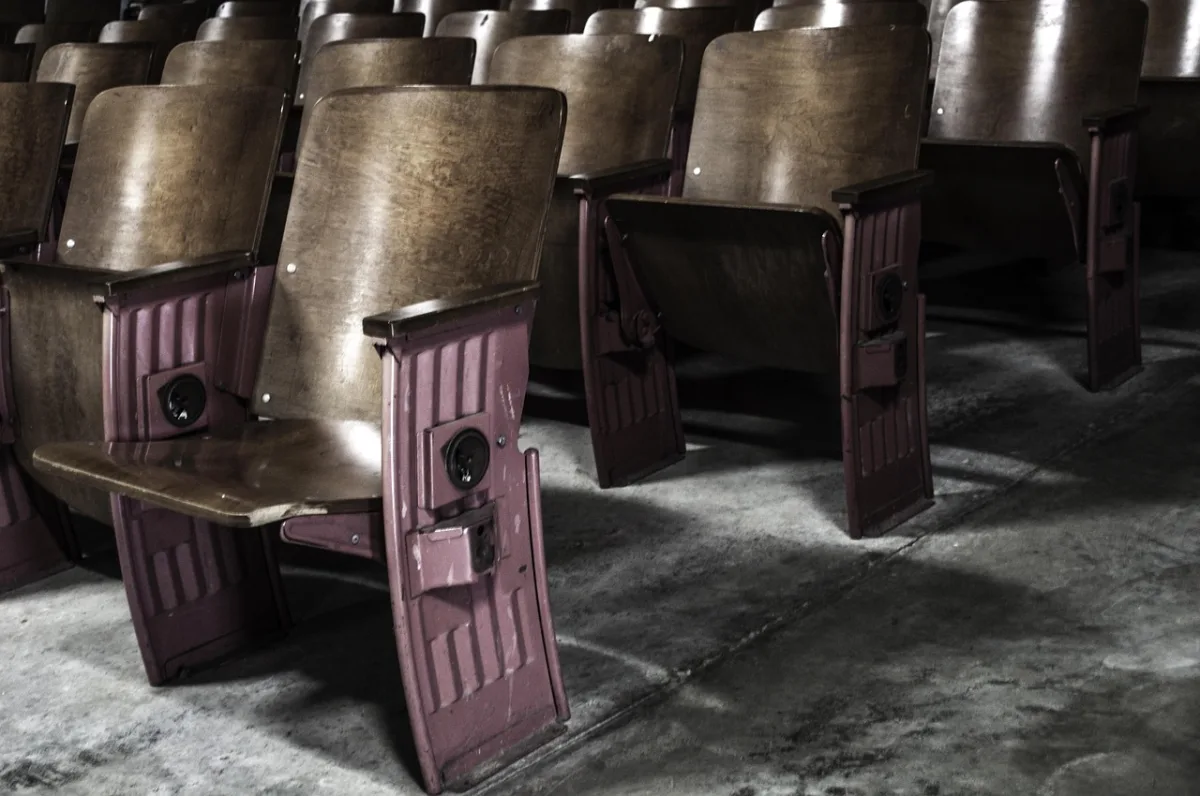
Imagine walking into a movie theater, expecting a crowded room, but instead, you're the only one there. It's a scenario that's not as rare as you might think. About 10% of AMC movie showings sell zero tickets, according to a new site that's making waves in the film industry. The site, which remains unnamed, has been tracking empty showings at AMC theaters, giving movie enthusiasts the chance to enjoy their favorite films in peace.
The idea behind the site is simple: provide a service that helps people find empty movie showings. But what's more interesting is the reason behind it. The creators of the site noticed that many moviegoers prefer to watch films in a more private setting, without the distractions of a crowded theater. And it's not just about the experience; it's also about the safety aspect. With the ongoing pandemic, many people are still hesitant to go to crowded places, including movie theaters.

So, how does the site work? It's quite straightforward. Users can search for movies and showtimes at their local AMC theater, and the site will indicate which showings have zero tickets sold. It's a win-win situation for both the moviegoers and the theater. The site's creators are not revealing how they're getting the data, but it's likely that they're using a combination of publicly available information and some clever coding.
But why does it matter? The fact that 10% of AMC movie showings sell zero tickets is a significant statistic. It shows that there's a demand for more private movie experiences, and theaters are not catering to that demand. It also raises questions about the film industry's business model. Are theaters relying too heavily on blockbuster films, rather than providing a more diverse range of movies that appeal to different audiences?
The site's discovery has sparked a lot of interest in the film industry, with many experts weighing in on what it means for the future of movie-going. Some argue that it's an opportunity for theaters to rethink their strategy and provide more niche experiences for movie enthusiasts. Others see it as a sign of the times, with the rise of streaming services and the decline of traditional movie-going.

Key Facts
- About 10% of AMC movie showings sell zero tickets
- The site's creators remain anonymous
- The site tracks empty showings at AMC theaters
- The site's data is likely based on publicly available information and coding
- The discovery has sparked interest in the film industry
- The site's creators aim to help people find empty showings for a more private experience
- The pandemic has contributed to the decline of traditional movie-going
- The film industry's business model is being questioned
The Rise of Private Movie Experiences
The concept of private movie experiences is not new. In fact, it's been around for decades. But with the rise of streaming services and the decline of traditional movie-going, it's becoming more popular. Many people are opting for the comfort and convenience of watching movies at home, rather than going to a crowded theater. But for those who still want to experience the magic of the big screen, private showings are becoming a more viable option.
The site's discovery has highlighted the demand for private movie experiences. It's not just about watching movies in a crowded theater; it's about the overall experience. People want to be able to enjoy their favorite films without distractions, and private showings provide that. It's also about the safety aspect, with many people still hesitant to go to crowded places.
But what does this mean for the film industry? It's a wake-up call, of sorts. Theaters need to rethink their strategy and provide more diverse experiences for movie enthusiasts. It's not just about showing blockbuster films; it's about catering to different audiences and providing a unique experience.
The Impact on Theaters
The site's discovery has significant implications for theaters. With 10% of AMC movie showings selling zero tickets, it's clear that there's a problem. Theaters are not providing the experiences that moviegoers want, and it's affecting their bottom line. But it's not all doom and gloom. The site's discovery can be seen as an opportunity for theaters to rethink their strategy and provide more niche experiences.
Theaters can learn from the site's discovery and adapt to the changing landscape. It's not just about showing movies; it's about providing an experience. Theaters can offer private showings, special events, and unique experiences that cater to different audiences. It's about being creative and innovative, rather than relying on the same old formula.
But it's not just about the theaters; it's also about the film industry as a whole. The site's discovery has raised questions about the industry's business model. Are theaters relying too heavily on blockbuster films, rather than providing a more diverse range of movies that appeal to different audiences? It's a question that needs to be answered, and the site's discovery is just the beginning.
The Role of Technology
Technology has played a significant role in the site's discovery. The site's creators have used a combination of publicly available information and clever coding to track empty showings at AMC theaters. It's a testament to the power of technology and how it can be used to provide innovative solutions.
But technology is not just limited to the site's discovery. It's also changing the way we watch movies. Streaming services have become incredibly popular, and it's affecting the traditional movie-going experience. People are opting for the comfort and convenience of watching movies at home, rather than going to a crowded theater.
The site's discovery has highlighted the importance of technology in the film industry. It's not just about providing a platform for movie enthusiasts; it's about using technology to provide innovative solutions and unique experiences.
The Future of Movie-Going
The site's discovery has sparked a lot of interest in the future of movie-going. With the rise of streaming services and the decline of traditional movie-going, it's clear that the industry is changing. But what does the future hold?
According to Adam Aron, the CEO of AMC Theatres, the future of movie-going is all about providing unique experiences.
The future of movie-going is not just about showing movies; it's about providing an experience. It's about creating a unique and memorable experience for movie enthusiasts.
But what does that mean for the film industry? It means that theaters need to rethink their strategy and provide more diverse experiences for movie enthusiasts. It's not just about showing blockbuster films; it's about catering to different audiences and providing a unique experience.
The Bigger Picture
The site's discovery is not just about the film industry; it's about the bigger picture. It's about how people are changing the way they consume entertainment. With the rise of streaming services and the decline of traditional movie-going, it's clear that people are opting for more convenient and comfortable experiences.
But what does this mean for the entertainment industry as a whole? It means that companies need to adapt to the changing landscape and provide innovative solutions. It's not just about providing a product; it's about providing an experience. The site's discovery has highlighted the importance of providing unique experiences and catering to different audiences.
The site's discovery has also raised questions about the impact of technology on the entertainment industry. With the rise of streaming services and social media, it's clear that technology is changing the way we consume entertainment. But what does this mean for the future of the industry? It's a question that needs to be answered, and the site's discovery is just the beginning.