

The strike by non-academic staff in Nigeria's public universities has entered its second week, with no end in sight. The Senior Staff Association of Nigerian Universities (SSANU) and the Non-Academic Staff Union of Educational and Associated Institutions (NASU) are demanding better working conditions, improved salaries, and a review of the government's policies on university education. The strike has affected over 70 public universities across the country, leaving thousands of students stranded.
The meeting between the Federal Government and the striking workers was held in Abuja and Jos, but it ended in a deadlock. The government team, led by the Minister of Education, was unable to reach an agreement with the union leaders. The union leaders are insisting that the government must meet their demands before they call off the strike. The government, on the other hand, is saying that it cannot meet all the demands at once.
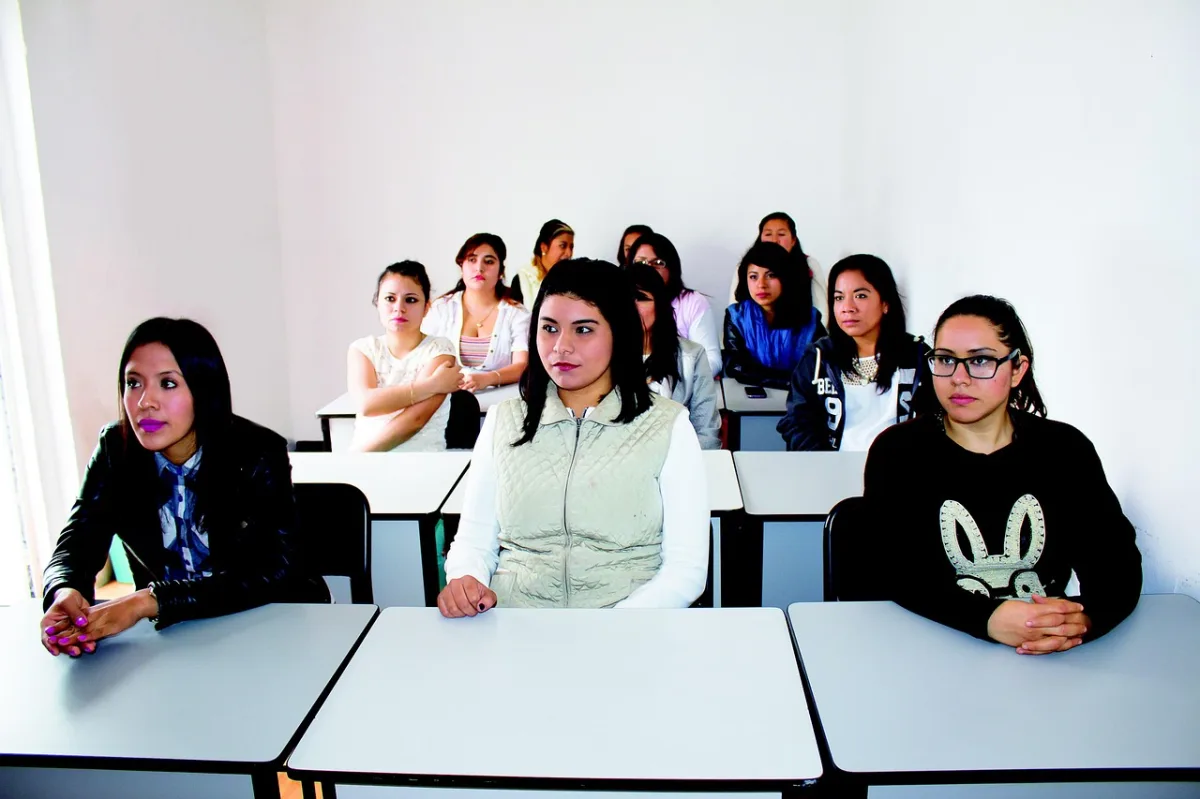
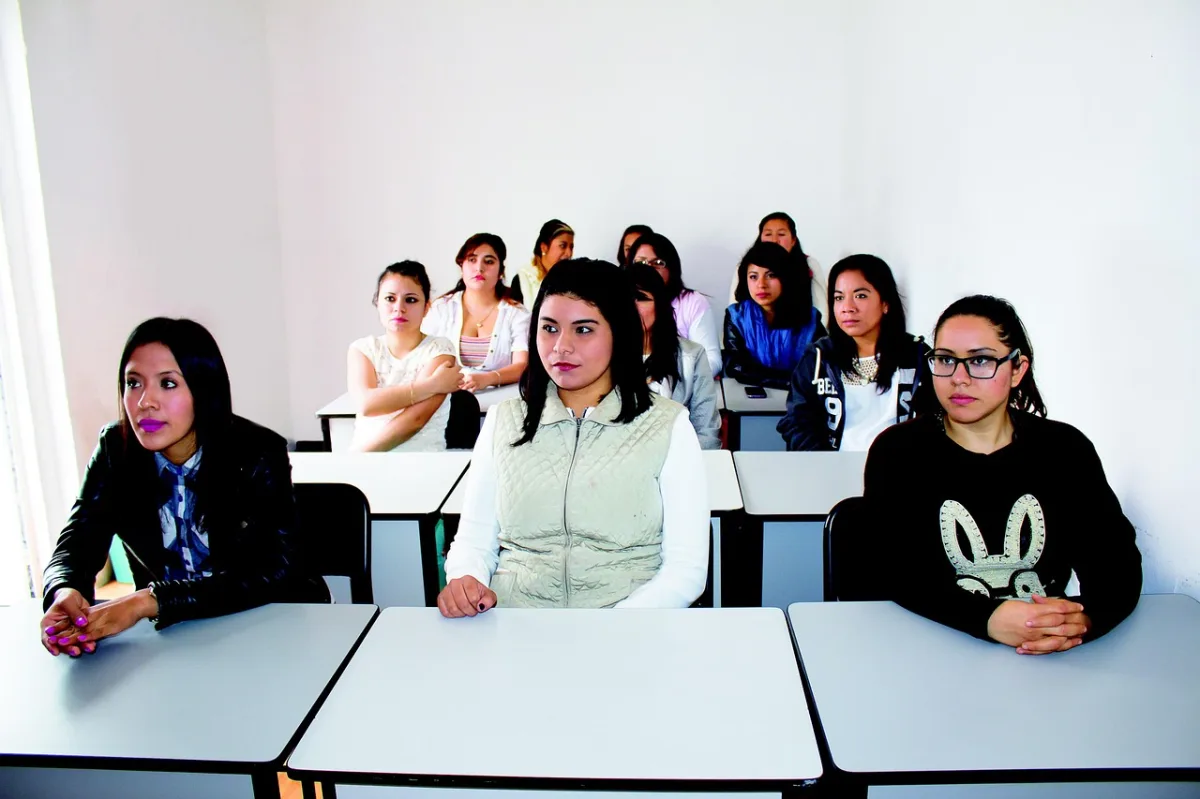
The strike has had a significant impact on the country's education sector. Many students are worried that the strike will affect their academic calendar. Some students have even started protesting, demanding that the government and the union leaders find a solution to the crisis. The strike has also affected the economy, as many businesses that depend on the universities have been forced to close down.
The situation is getting desperate, with many students and parents calling on the government and the union leaders to find a solution to the crisis. The government has promised to do everything possible to resolve the issue, but so far, no agreement has been reached. The union leaders are also under pressure from their members to ensure that their demands are met.
Key Facts
- The strike is being carried out by the Senior Staff Association of Nigerian Universities (SSANU) and the Non-Academic Staff Union of Educational and Associated Institutions (NASU)
- The strike affects over 70 public universities across Nigeria
- The union leaders are demanding better working conditions, improved salaries, and a review of the government's policies on university education
- The meeting between the Federal Government and the striking workers was held in Abuja and Jos
- The government team was led by the Minister of Education
- The strike has had a significant impact on the country's education sector and economy
Background to the Strike
The strike by non-academic staff in Nigeria's public universities is not a new development. The union leaders have been complaining about the poor working conditions and low salaries of their members for years. The government has promised to address these issues, but so far, nothing has been done. The union leaders have been left with no choice but to embark on a strike to press home their demands.

The strike is also a result of the government's failure to implement the agreements it reached with the union leaders in the past. The government has a history of reaching agreements with the union leaders, only to fail to implement them. This has led to a lack of trust between the government and the union leaders. The union leaders are now insisting that the government must implement the agreements it has reached with them before they call off the strike.
The strike has also been fueled by the government's decision to increase the tuition fees of university students. The union leaders see this as a move to commercialize education, which they strongly oppose. They believe that education should be free and accessible to all, regardless of their background or financial status.
The Impact of the Strike
The strike by non-academic staff in Nigeria's public universities has had a significant impact on the country's education sector. Many students are worried that the strike will affect their academic calendar. Some students have even started protesting, demanding that the government and the union leaders find a solution to the crisis. The strike has also affected the economy, as many businesses that depend on the universities have been forced to close down.
The strike has also had a psychological impact on the students. Many students are feeling frustrated and helpless, as they are unable to attend classes or participate in other university activities. The strike has also affected the social life of the students, as many of them are no longer able to interact with their friends and colleagues.
The strike has also had a negative impact on the country's reputation. Many international students are now skeptical about studying in Nigeria, due to the frequent strikes and instability in the education sector. This could have a long-term impact on the country's economy, as the education sector is a significant contributor to the country's GDP.
The Role of the Government
The government has a crucial role to play in resolving the crisis. The government must listen to the demands of the union leaders and find a solution to the crisis. The government must also ensure that it implements the agreements it reaches with the union leaders, to avoid a repeat of the crisis in the future.
The government must also take steps to address the root causes of the crisis. The government must ensure that the universities are well-funded, to avoid a situation where the universities are unable to pay their staff. The government must also ensure that the universities are well-managed, to avoid a situation where the universities are mismanaged and unable to provide quality education.
The government must also engage in dialogue with the union leaders, to find a solution to the crisis. The government must be willing to listen to the demands of the union leaders and find a solution that is acceptable to both parties. The government must also be transparent in its dealings with the union leaders, to avoid a situation where the union leaders feel that the government is not sincere in its dealings with them.
The Union Leaders' Demands
The union leaders are demanding better working conditions, improved salaries, and a review of the government's policies on university education. The union leaders believe that these demands are reasonable and necessary to ensure that the universities are able to provide quality education to their students.
The union leaders are also demanding that the government implements the agreements it has reached with them in the past. The union leaders believe that the government has failed to implement these agreements, and this has led to a lack of trust between the government and the union leaders.
The government must take the demands of the union leaders seriously and find a solution to the crisis. The government must also ensure that it implements the agreements it reaches with the union leaders, to avoid a repeat of the crisis in the future.
- Johnbosco Agbakwuru, Vanguard News
The Way Forward
The way forward is for the government and the union leaders to engage in dialogue and find a solution to the crisis. The government must be willing to listen to the demands of the union leaders and find a solution that is acceptable to both parties. The government must also be transparent in its dealings with the union leaders, to avoid a situation where the union leaders feel that the government is not sincere in its dealings with them.
The union leaders must also be willing to compromise and find a solution to the crisis. The union leaders must be willing to listen to the government's proposals and find a solution that is acceptable to both parties. The union leaders must also be transparent in their dealings with the government, to avoid a situation where the government feels that the union leaders are not sincere in their dealings with them.
The solution to the crisis will require a collective effort from both the government and the union leaders. The government and the union leaders must work together to find a solution to the crisis, and ensure that the universities are able to provide quality education to their students. The government and the union leaders must also ensure that the universities are well-funded and well-managed, to avoid a situation where the universities are unable to pay their staff or provide quality education to their students.
Conclusion
The strike by non-academic staff in Nigeria's public universities is a complex issue that requires a collective effort to resolve. The government and the union leaders must engage in dialogue and find a solution to the crisis. The government must be willing to listen to the demands of the union leaders and find a solution that is acceptable to both parties. The union leaders must also be willing to compromise and find a solution to the crisis.
The solution to the crisis will require a long-term commitment from both the government and the union leaders. The government and the union leaders must work together to ensure that the universities are well-funded and well-managed, to avoid a situation where the universities are unable to pay their staff or provide quality education to their students. The government and the union leaders must also ensure that the universities are able to provide quality education to their students, and that the students are able to graduate and find employment.
The strike by non-academic staff in Nigeria's public universities is a wake-up call for the government and the union leaders. The government and the union leaders must take the demands of the union leaders seriously and find a solution to the crisis. The government and the union leaders must also ensure that the universities are well-funded and well-managed, to avoid a situation where the universities are unable to pay their staff or provide quality education to their students.