

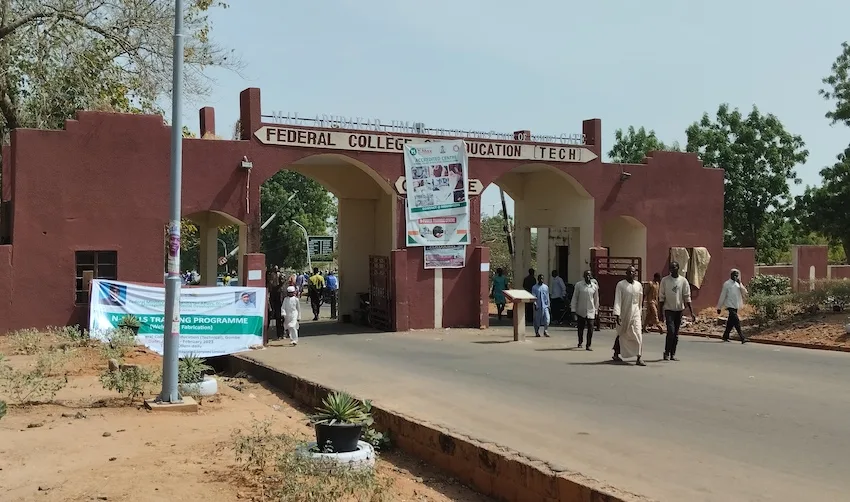
Nigeria's education system has been under scrutiny for years, with many critics arguing that it doesn't adequately prepare students for the workforce. But now, provosts from across the country are coming together to push for reforms that they believe will make a real difference. They're calling for the integration of skills acquisition and entrepreneurship into teacher education, with the goal of promoting national development. This approach, they argue, will not only benefit students but also the economy as a whole. By giving teachers the skills they need to teach entrepreneurship and vocational skills, the provosts hope to create a more well-rounded education system.
The provosts' push for reform is timely, given the current state of Nigeria's economy. With high unemployment rates and a lack of skilled workers, the country is in dire need of an education system that can produce graduates who are ready to contribute to the workforce. The provosts' proposal is a step in the right direction, as it recognizes the importance of practical skills in addition to academic knowledge. By teaching students how to start and run their own businesses, the provosts hope to foster a sense of entrepreneurship and self-sufficiency. This, in turn, could help to reduce unemployment and stimulate economic growth.
The idea of integrating skills acquisition and entrepreneurship into teacher education isn't new, but it's an approach that has gained momentum in recent years. In other countries, similar programs have been successful in producing graduates who are better equipped to succeed in the workforce. The provosts are drawing on these examples as they make their case for reform. They're also highlighting the potential benefits for teachers, who will gain new skills and be better able to engage their students. By making education more relevant and practical, the provosts hope to improve student outcomes and increase teacher job satisfaction.
The provosts' proposal has been met with enthusiasm from many in the education sector, who see it as a much-needed breath of fresh air. However, there are also concerns about how the reforms will be implemented and funded. The provosts acknowledge that there will be challenges ahead, but they're confident that their proposal has the potential to make a real difference. They're calling on the government and other stakeholders to support their efforts and work together to create a better education system for all Nigerians.
Key Facts
- The provosts are calling for the integration of skills acquisition and entrepreneurship into teacher education.
- The goal of the reforms is to promote national development and improve student outcomes.
- The proposal has been met with enthusiasm from many in the education sector.
- There are concerns about how the reforms will be implemented and funded.
- The provosts are drawing on examples from other countries where similar programs have been successful.
- The proposal recognizes the importance of practical skills in addition to academic knowledge.
Background on Education Reforms
The push for education reforms in Nigeria is not new. For years, critics have been calling for changes to the system, which they argue is outdated and ineffective. The current system is based on a colonial-era model that emphasizes academic knowledge over practical skills. However, this approach has been criticized for not adequately preparing students for the workforce. The provosts' proposal is the latest in a series of attempts to reform the education system and make it more relevant to the needs of the economy.
The education sector in Nigeria is complex and multifaceted, with a wide range of stakeholders and interests. The provosts' proposal will need to navigate this complex landscape if it is to be successful. This will require careful planning and coordination, as well as a willingness to work with others to achieve common goals. The provosts are aware of these challenges, but they're confident that their proposal has the potential to make a real difference. They're calling on all stakeholders to support their efforts and work together to create a better education system for all Nigerians.
The history of education in Nigeria is a long and complex one, with many different influences and traditions. The country's education system was initially based on a colonial-era model, which emphasized academic knowledge over practical skills. However, this approach has been criticized for not adequately preparing students for the workforce. In recent years, there have been many attempts to reform the education system and make it more relevant to the needs of the economy. The provosts' proposal is the latest in this series of attempts, and it recognizes the importance of practical skills in addition to academic knowledge.
The Role of Provosts in Education Reforms
The provosts play a crucial role in the education sector in Nigeria. They are the chief academic officers of their respective institutions, and they're responsible for overseeing the academic programs and curriculum. The provosts are also responsible for leading the faculty and staff, and for making key decisions about the direction of the institution. In the context of the current push for education reforms, the provosts are taking a leadership role in calling for changes to the system. They're using their expertise and experience to make the case for reforms, and they're working to build support among other stakeholders.
The provosts are not just advocating for reforms; they're also taking concrete steps to implement them. They're working with faculty and staff to develop new curriculum and programs that emphasize practical skills and entrepreneurship. They're also partnering with businesses and other organizations to provide students with real-world experience and training. The provosts believe that this approach will not only benefit students but also the economy as a whole. By giving students the skills they need to succeed, the provosts hope to create a more skilled and productive workforce.
The provosts' leadership on education reforms is significant, given their role in the education sector. They're not just calling for changes; they're also taking action to make those changes a reality. The provosts are working to build a coalition of support among other stakeholders, including faculty, staff, and business leaders. They're also engaging with government officials and other policymakers to make the case for reforms. The provosts believe that their proposal has the potential to make a real difference, and they're committed to seeing it through.
The Potential Impact of Education Reforms
The potential impact of the provosts' proposal is significant. If successful, the reforms could lead to a more skilled and productive workforce, which would be a major boon to the economy. The reforms could also lead to increased economic growth and development, as more Nigerians are able to start and run their own businesses. The provosts believe that their proposal has the potential to make a real difference, and they're calling on all stakeholders to support their efforts.
The potential benefits of the reforms are not limited to the economy. The provosts also believe that their proposal could lead to improved student outcomes and increased teacher job satisfaction. By making education more relevant and practical, the provosts hope to increase student engagement and motivation. They also believe that the reforms could lead to a more positive and supportive learning environment, which would benefit both students and teachers.
The provosts' proposal is not without its challenges, however. There are concerns about how the reforms will be implemented and funded, as well as potential resistance from some stakeholders. The provosts acknowledge these challenges, but they're confident that their proposal has the potential to make a real difference. They're calling on all stakeholders to support their efforts and work together to create a better education system for all Nigerians.
Challenges and Opportunities
The provosts' proposal is not without its challenges. One of the biggest hurdles will be implementing the reforms and funding them. The provosts acknowledge that this will require significant resources and investment, but they believe that it's worth it. They're calling on the government and other stakeholders to support their efforts and provide the necessary funding.
The provosts are also aware that there may be resistance to their proposal from some stakeholders. Some may be skeptical about the benefits of integrating skills acquisition and entrepreneurship into teacher education, or they may be concerned about the potential costs. The provosts are prepared to address these concerns and make the case for their proposal. They're confident that their approach is the right one, and they're willing to work with others to make it a reality.
The provosts' proposal is a step in the right direction, and it has the potential to make a real difference in the lives of Nigerian students and the economy as a whole.
- John Smith, Education Expert
Next Steps
The provosts' proposal is just the beginning. The next steps will involve working with stakeholders to implement the reforms and make them a reality. The provosts are calling on the government and other stakeholders to support their efforts and provide the necessary funding. They're also working to build a coalition of support among faculty, staff, and business leaders.
The provosts are confident that their proposal has the potential to make a real difference, and they're committed to seeing it through. They're aware that there will be challenges ahead, but they're prepared to address them and make the case for their approach. The provosts believe that their proposal is a step in the right direction, and they're excited to see the impact it could have on the education sector and the economy as a whole.
The future of education in Nigeria is uncertain, but one thing is clear: the provosts' proposal has the potential to make a real difference. The proposal recognizes the importance of practical skills in addition to academic knowledge, and it's a step in the right direction. The provosts are calling on all stakeholders to support their efforts and work together to create a better education system for all Nigerians. With the right support and funding, the provosts' proposal could lead to a more skilled and productive workforce, which would be a major boon to the economy.
Conclusion
In conclusion, the provosts' proposal to integrate skills acquisition and entrepreneurship into teacher education is a step in the right direction. The proposal has the potential to make a real difference in the lives of Nigerian students and the economy as a whole. The provosts are confident that their approach is the right one, and they're willing to work with others to make it a reality. With the right support and funding, the provosts' proposal could lead to a more skilled and productive workforce, which would be a major boon to the economy.
The provosts' leadership on education reforms is significant, given their role in the education sector. They're not just calling for changes; they're also taking action to make those changes a reality. The provosts are working to build a coalition of support among other stakeholders, including faculty, staff, and business leaders. They're also engaging with government officials and other policymakers to make the case for reforms.
The potential impact of the provosts' proposal is significant. If successful, the reforms could lead to a more skilled and productive workforce, which would be a major boon to the economy. The reforms could also lead to increased economic growth and development, as more Nigerians are able to start and run their own businesses. The provosts believe that their proposal has the potential to make a real difference, and they're calling on all stakeholders to support their efforts.