


The news of a French professor being suspended for awarding himself a fake prize has sent shockwaves through the academic community. The professor, who taught at a university in France, is accused of creating a fictional prize and then submitting his own work for consideration. It's a brazen move that has left many wondering how such a thing could happen. The university has launched an investigation into the matter, and the professor has been suspended pending the outcome. The incident has also sparked a wider conversation about academic integrity and the measures in place to prevent such incidents.
The incident is a reminder that academic integrity is not just about students cheating on exams or plagiarizing work. It's also about the integrity of the academic system as a whole, including the professors and researchers who are supposed to be leading by example. The fact that a professor could allegedly create a fake prize and then award it to himself is a disturbing sign of the lack of accountability and oversight in the academic system. It's not clear how the professor planned to benefit from the fake prize, but it's likely that he hoped to use it to boost his reputation and advance his career.
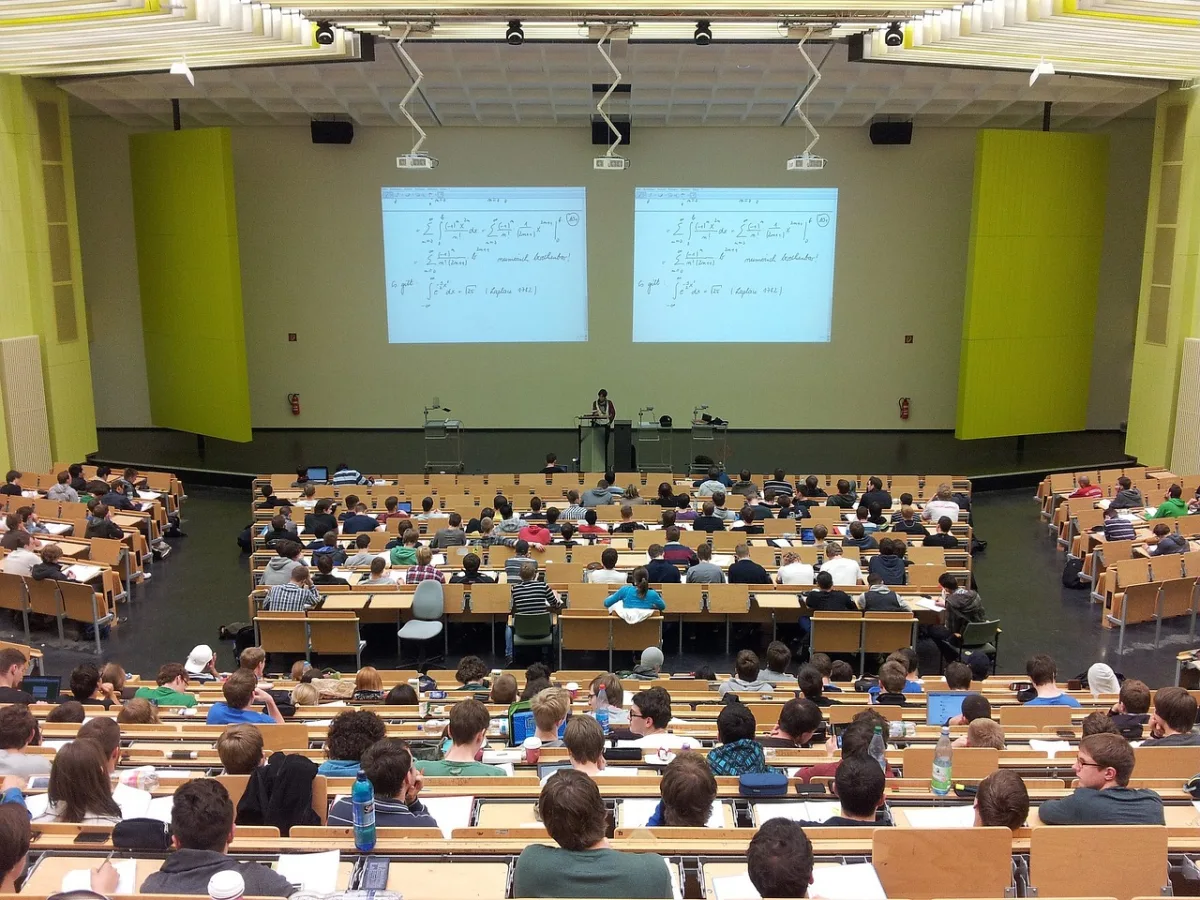
The university where the professor taught has a reputation for academic excellence, and the incident has come as a shock to many in the academic community. The university has said that it takes the allegations very seriously and is committed to ensuring the integrity of its academic programs. The professor's suspension is a first step in the investigation, and it's likely that further action will be taken if the allegations are found to be true. The incident has also raised questions about the measures in place to prevent such incidents, and whether more needs to be done to ensure that academic integrity is upheld.
The incident has sparked a wider conversation about the pressures and incentives that drive academics to engage in unethical behavior. In recent years, there have been several high-profile cases of academics engaging in fraudulent behavior, including falsifying data and plagiarizing work. The incident has also highlighted the need for greater transparency and accountability in the academic system, including the use of independent reviewers and auditors to ensure that academic work is legitimate. It's a complex issue, and one that will require a multifaceted solution.
Key Facts
- The French professor has been suspended from his university pending an investigation into the allegations.
- The professor is accused of creating a fictional prize and then submitting his own work for consideration.
- The university has a reputation for academic excellence and has said that it takes the allegations very seriously.
- The incident has sparked a wider conversation about academic integrity and the measures in place to prevent such incidents.
- The professor's suspension is a first step in the investigation, and further action may be taken if the allegations are found to be true.
- The incident has raised questions about the pressures and incentives that drive academics to engage in unethical behavior.
- There have been several high-profile cases of academics engaging in fraudulent behavior in recent years.
Background on Academic Integrity
The incident has highlighted the importance of academic integrity in the academic system. Academic integrity refers to the ethical standards that govern academic work, including the honesty and transparency of research and scholarship. It's a critical issue, as academic work is often used to inform policy and decision-making, and fraudulent or misleading work can have serious consequences. The academic system has a number of measures in place to ensure academic integrity, including peer review and the use of independent auditors. However, the incident has shown that more needs to be done to prevent such incidents.
The academic system is under pressure to produce high-quality research and scholarship, and this can create incentives for academics to engage in unethical behavior. The pressure to publish research in top-tier journals can be intense, and some academics may feel that they need to cheat or falsify data in order to get ahead. Additionally, the academic system often rewards academics for their productivity and impact, rather than their integrity or ethics. This can create a culture in which academics feel that they need to prioritize their careers over their integrity.
The incident has also highlighted the importance of transparency and accountability in the academic system. The use of independent reviewers and auditors can help to ensure that academic work is legitimate and free from bias. Additionally, universities and research institutions can take steps to promote a culture of academic integrity, such as providing training and resources for academics and students. It's a complex issue, and one that will require a multifaceted solution.
The Professor's Actions
The professor's actions are a clear violation of academic integrity, and they have serious consequences. By creating a fictional prize and then awarding it to himself, the professor has undermined the trust and credibility of the academic system. It's a brazen move that shows a complete disregard for the ethical standards that govern academic work. The professor's actions have also damaged the reputation of the university and the academic community as a whole.
The professor's motivations for creating the fake prize are not clear, but it's likely that he hoped to use it to boost his reputation and advance his career. The incident has sparked a wider conversation about the pressures and incentives that drive academics to engage in unethical behavior. The academic system often rewards academics for their productivity and impact, rather than their integrity or ethics. This can create a culture in which academics feel that they need to prioritize their careers over their integrity.
The incident has also raised questions about the measures in place to prevent such incidents. The university has said that it takes the allegations very seriously and is committed to ensuring the integrity of its academic programs. However, the incident has shown that more needs to be done to prevent such incidents. The use of independent reviewers and auditors can help to ensure that academic work is legitimate and free from bias.
The University's Response
The university's response to the incident has been swift and decisive. The professor has been suspended pending an investigation into the allegations, and the university has said that it takes the allegations very seriously. The university has also launched an investigation into the matter, and it's likely that further action will be taken if the allegations are found to be true. The incident has sparked a wider conversation about academic integrity and the measures in place to prevent such incidents.
The university's response has been praised by many in the academic community, who see it as a strong statement of support for academic integrity. The university has a reputation for academic excellence, and the incident has shown that it is committed to upholding the highest ethical standards. The university's response has also highlighted the importance of transparency and accountability in the academic system, including the use of independent reviewers and auditors to ensure that academic work is legitimate.
The incident has also raised questions about the role of universities in promoting academic integrity. Universities have a critical role to play in promoting a culture of academic integrity, including providing training and resources for academics and students. They also have a responsibility to ensure that academic work is legitimate and free from bias, and to take action when allegations of misconduct are made.
The Bigger Picture
The incident is part of a larger conversation about the pressures and incentives that drive academics to engage in unethical behavior. The academic system is under pressure to produce high-quality research and scholarship, and this can create incentives for academics to cheat or falsify data. The incident has sparked a wider conversation about the measures in place to prevent such incidents, and whether more needs to be done to ensure that academic integrity is upheld.
The incident is a wake-up call for the academic community, and a reminder that academic integrity is not just about students cheating on exams or plagiarizing work. It's about the integrity of the academic system as a whole, including the professors and researchers who are supposed to be leading by example.
The incident has also highlighted the importance of transparency and accountability in the academic system. The use of independent reviewers and auditors can help to ensure that academic work is legitimate and free from bias. Additionally, universities and research institutions can take steps to promote a culture of academic integrity, such as providing training and resources for academics and students.
What's Next
The incident is still unfolding, and it's not clear what the outcome will be. The university's investigation is ongoing, and it's likely that further action will be taken if the allegations are found to be true. The incident has sparked a wider conversation about academic integrity and the measures in place to prevent such incidents, and it's likely that this conversation will continue in the coming weeks and months.
The incident has also raised questions about the role of universities in promoting academic integrity, and whether more needs to be done to ensure that academic work is legitimate and free from bias. The use of independent reviewers and auditors can help to ensure that academic work is legitimate, and universities and research institutions can take steps to promote a culture of academic integrity. It's a complex issue, and one that will require a multifaceted solution.
The incident is a reminder that academic integrity is not just about students cheating on exams or plagiarizing work. It's about the integrity of the academic system as a whole, including the professors and researchers who are supposed to be leading by example. The incident has sparked a wider conversation about the pressures and incentives that drive academics to engage in unethical behavior, and it's likely that this conversation will continue in the coming weeks and months.