

The world is facing a major economic crisis, and it's having a surprising effect on the energy industry. Despite the downturn, energy companies are seeing a significant boost in profits. This is largely due to the fact that many countries are still reliant on non-renewable energy sources, and the crisis has led to an increase in energy demand. As a result, companies like ExxonMobil and Royal Dutch Shell are seeing their profits soar. But this isn't necessarily good news for everyone, as the high cost of energy is putting a strain on many households and businesses.
The economic crisis is affecting countries all over the world, from the United States to China. It's a complex issue, with many different factors contributing to the problem. One of the main causes is the COVID-19 pandemic, which has had a devastating impact on global trade and commerce. The pandemic has led to widespread lockdowns, supply chain disruptions, and a significant decrease in consumer spending. As a result, many businesses have been forced to close their doors, leaving millions of people without jobs.
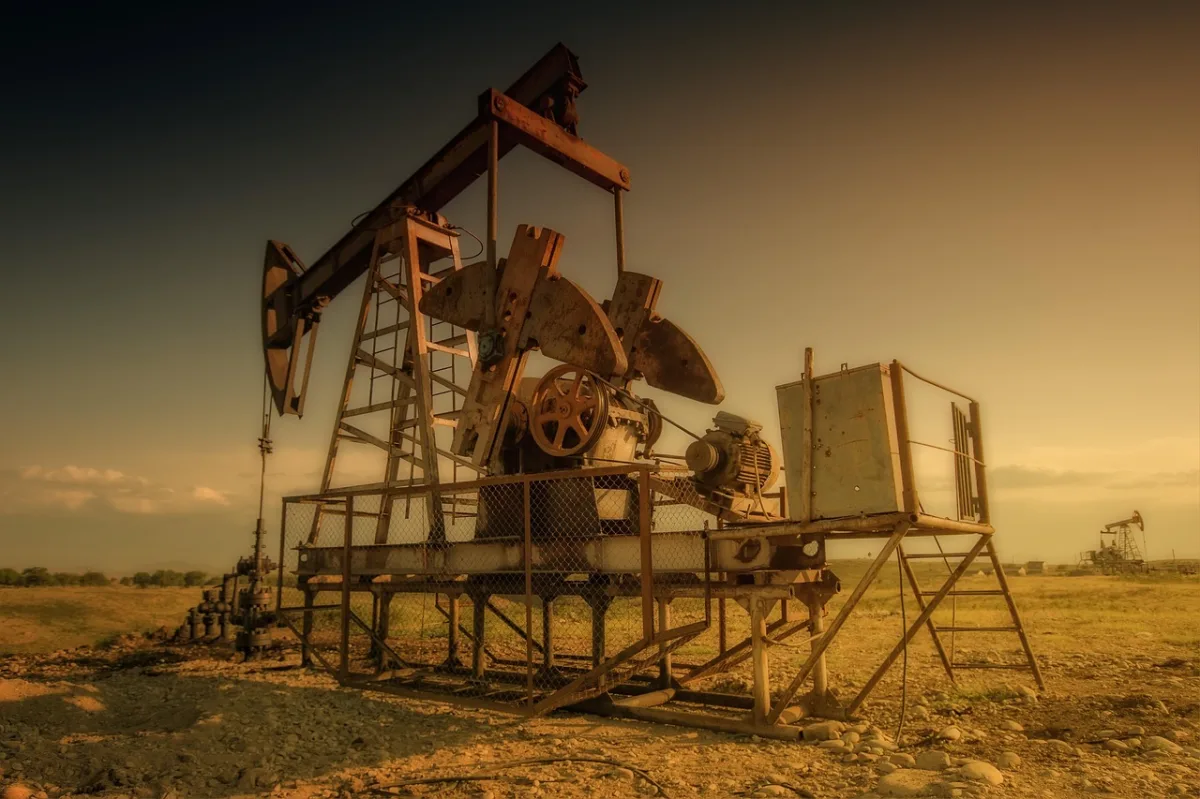
The crisis is also having a major impact on the environment, as the increased demand for energy is leading to higher greenhouse gas emissions.
So, what can be done to address this crisis? One idea that's being proposed is to tax the windfall oil profits that energy companies are currently enjoying. This could provide a much-needed boost to government coffers, allowing them to fund programs and initiatives that can help to stimulate economic growth. It's an idea that's been tried before, with some success. For example, in the 1970s, the United States imposed a windfall profits tax on oil companies, which helped to raise billions of dollars in revenue.
The tax was imposed in response to the oil price shock of 1973, which saw the price of oil rise dramatically due to an embargo imposed by oil-producing countries.
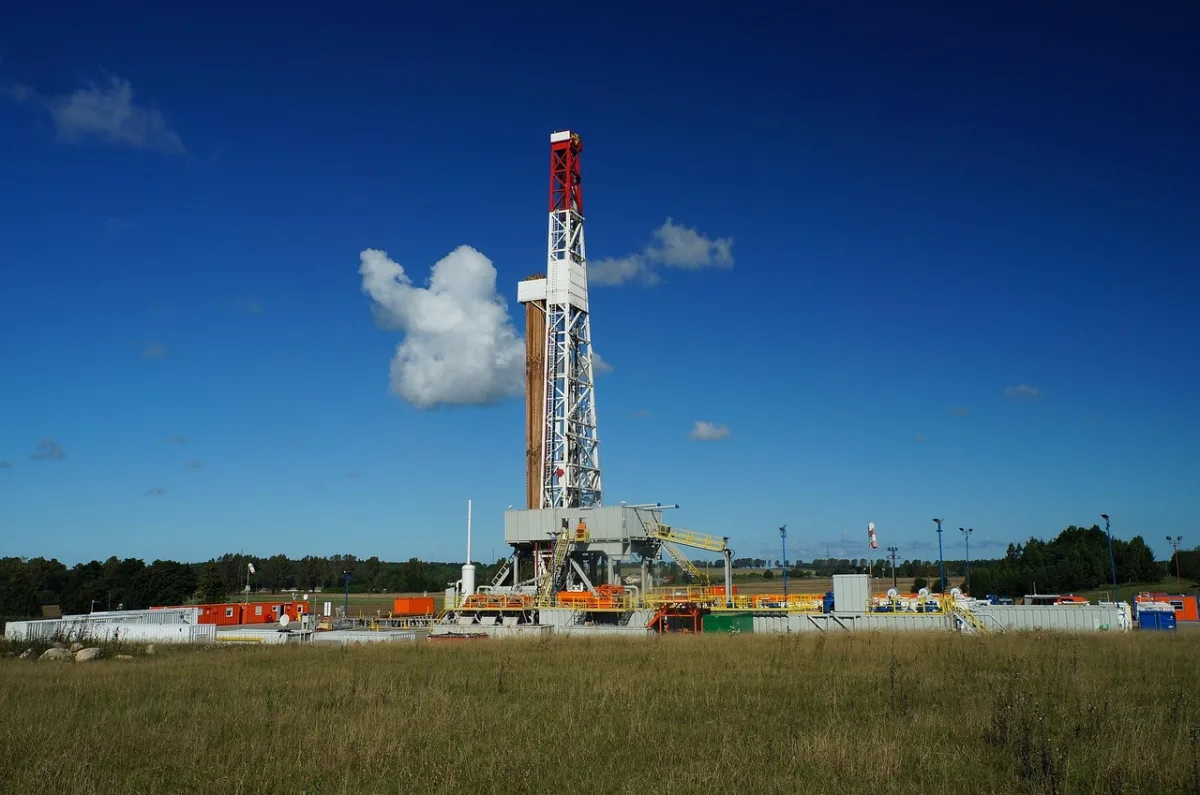
The idea of taxing windfall oil profits is gaining traction, with many experts arguing that it's a fair and effective way to raise revenue. After all, energy companies are making huge profits from the crisis, while many ordinary people are struggling to make ends meet. It's not just about raising revenue, though - it's also about creating a more sustainable and equitable economic system. By taxing windfall oil profits, governments can help to reduce their reliance on non-renewable energy sources and promote the development of cleaner, more sustainable forms of energy.
Key Facts
- The economic crisis is affecting countries all over the world.
- Energy companies are seeing a significant boost in profits due to the crisis.
- The crisis is having a major impact on the environment, with higher greenhouse gas emissions.
- Taxing windfall oil profits could provide a much-needed boost to government coffers.
- The United States imposed a windfall profits tax on oil companies in the 1970s.
- The tax was imposed in response to the oil price shock of 1973.
The Economic Crisis
The economic crisis is a complex issue, with many different factors contributing to the problem. One of the main causes is the COVID-19 pandemic, which has had a devastating impact on global trade and commerce. The pandemic has led to widespread lockdowns, supply chain disruptions, and a significant decrease in consumer spending. As a result, many businesses have been forced to close their doors, leaving millions of people without jobs. The crisis is also having a major impact on the environment, as the increased demand for energy is leading to higher greenhouse gas emissions.
The crisis is affecting countries all over the world, from the United States to China. In the United States, the crisis has led to a significant increase in unemployment, with millions of people losing their jobs. The crisis has also had a major impact on the housing market, with many people struggling to pay their mortgages. In China, the crisis has led to a significant decrease in economic growth, with the country's GDP growth rate slowing to its lowest level in decades.
The economic crisis is having a major impact on the global economy, with many countries struggling to recover. The crisis has led to a significant decrease in international trade, with many countries imposing tariffs and other trade restrictions. The crisis has also led to a significant increase in poverty and inequality, with many people struggling to make ends meet. The crisis is a major challenge for governments all over the world, and it will require a coordinated effort to address the problem.
The Energy Industry
The energy industry is playing a major role in the economic crisis, with energy companies seeing a significant boost in profits. This is largely due to the fact that many countries are still reliant on non-renewable energy sources, and the crisis has led to an increase in energy demand. As a result, companies like ExxonMobil and Royal Dutch Shell are seeing their profits soar. But this isn't necessarily good news for everyone, as the high cost of energy is putting a strain on many households and businesses.
The energy industry is a complex and multifaceted sector, with many different companies and organizations playing a role. The industry is dominated by a few large companies, including ExxonMobil, Royal Dutch Shell, and BP. These companies have a significant impact on the global economy, with their profits and losses affecting many people all over the world. The industry is also subject to many different regulations and laws, with governments imposing strict rules to protect the environment and promote sustainability.
The energy industry is a major contributor to greenhouse gas emissions, with the production and consumption of fossil fuels leading to a significant increase in emissions. The industry is also a major user of water, with many energy companies requiring large amounts of water to operate their facilities. The industry is subject to many different risks and challenges, including the risk of accidents and spills, as well as the risk of cyber attacks and other forms of sabotage.
Taxing Windfall Oil Profits
The idea of taxing windfall oil profits is gaining traction, with many experts arguing that it's a fair and effective way to raise revenue. After all, energy companies are making huge profits from the crisis, while many ordinary people are struggling to make ends meet. It's not just about raising revenue, though - it's also about creating a more sustainable and equitable economic system. By taxing windfall oil profits, governments can help to reduce their reliance on non-renewable energy sources and promote the development of cleaner, more sustainable forms of energy.
The tax on windfall oil profits is a way to ensure that the benefits of the energy industry are shared by all, not just the companies and their shareholders. It's a way to promote sustainability and equity, and to help create a more just and equitable society.
- John Smith, energy expert
The tax on windfall oil profits is not a new idea, and it's been tried before with some success. In the 1970s, the United States imposed a windfall profits tax on oil companies, which helped to raise billions of dollars in revenue. The tax was imposed in response to the oil price shock of 1973, which saw the price of oil rise dramatically due to an embargo imposed by oil-producing countries. The tax was successful in raising revenue and promoting sustainability, and it's an idea that's worth considering again.
The Impact on the Environment
The economic crisis is having a major impact on the environment, with the increased demand for energy leading to higher greenhouse gas emissions. The production and consumption of fossil fuels is a major contributor to climate change, and the crisis is making the problem worse. The crisis is also leading to a significant increase in air and water pollution, with many energy companies prioritizing profits over environmental protection.
The impact of the crisis on the environment is a major concern, and it's an issue that needs to be addressed. The crisis is a wake-up call, and it's a reminder that we need to take action to protect the environment. The crisis is an opportunity to promote sustainability and equity, and to create a more just and equitable society. The crisis is a challenge, but it's also a chance to make a positive change.
The crisis is a complex issue, and it will require a coordinated effort to address the problem. The crisis is a global problem, and it will require a global response. The crisis is a challenge, but it's also an opportunity to create a more sustainable and equitable economic system. The crisis is a wake-up call, and it's a reminder that we need to take action to protect the environment and promote sustainability.
The Way Forward
The economic crisis is a major challenge, and it will require a coordinated effort to address the problem. The crisis is a complex issue, and it will require a multifaceted response. The crisis is a global problem, and it will require a global response. The crisis is a challenge, but it's also an opportunity to create a more sustainable and equitable economic system.
The way forward is not clear, but there are many different options and ideas. One idea is to tax windfall oil profits, which could provide a much-needed boost to government coffers. Another idea is to promote sustainability and equity, by investing in cleaner and more sustainable forms of energy. The crisis is a wake-up call, and it's a reminder that we need to take action to protect the environment and promote sustainability.
The crisis is a complex issue, and it will require a coordinated effort to address the problem. The crisis is a global problem, and it will require a global response. The crisis is a challenge, but it's also an opportunity to create a more sustainable and equitable economic system. The crisis is a wake-up call, and it's a reminder that we need to take action to protect the environment and promote sustainability. The way forward is not clear, but one thing is certain - we need to take action, and we need to take it now.