

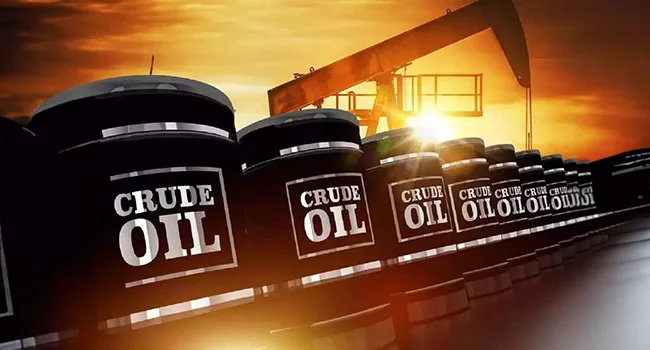
The global oil supply squeeze is inflicting an enormous impact on the Asia-Pacific region, according to Japan's Prime Minister Sanae Takaichi. She made this statement after talks with Australian Prime Minister Anthony Albanese in Canberra. The meeting came as the first Russian oil shipment arrived in Japan since the Iran war. This shipment is a significant development, as it marks a new chapter in the region's energy landscape. The oil supply squeeze has been caused by a combination of factors, including the war in Iran and sanctions on Russian oil.
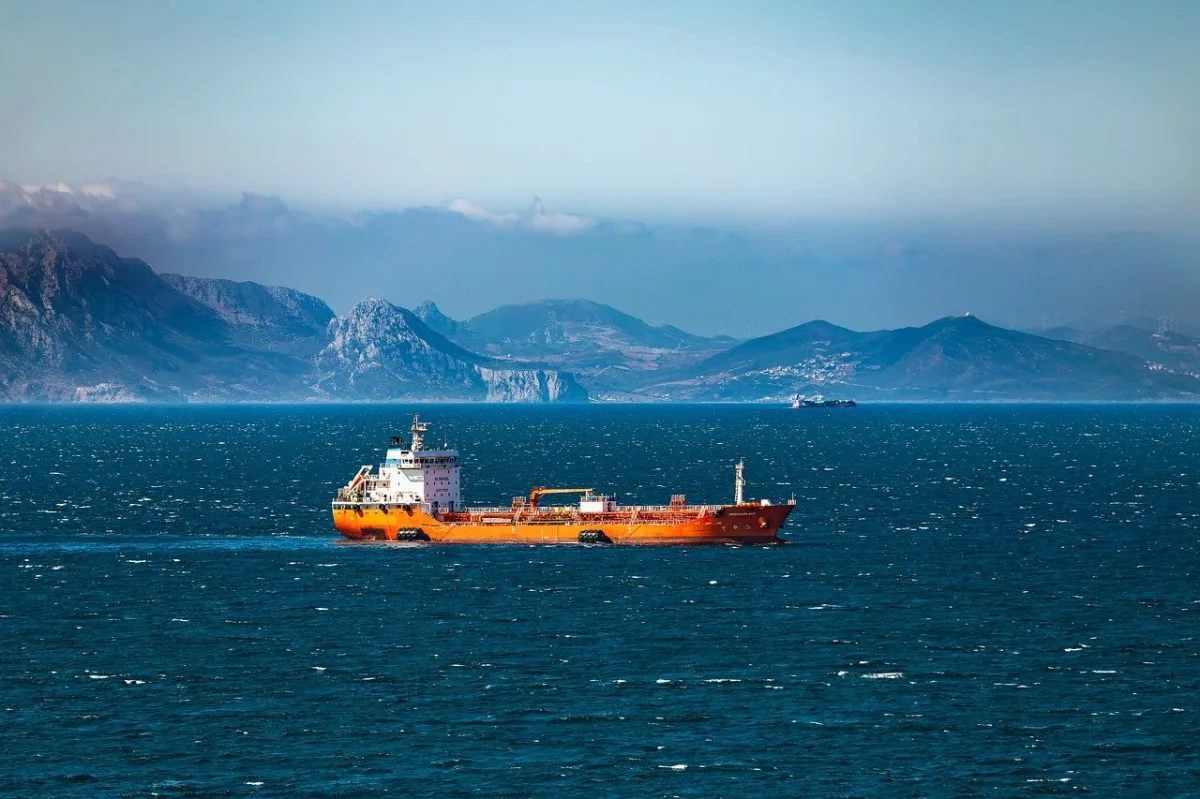
The arrival of the Russian oil shipment in Japan is a crucial moment for the country, which has been struggling to meet its energy needs. Japan is heavily reliant on imported oil, and the shortage has had a significant impact on its economy. The government has been working to diversify its energy sources, but the process has been slow. The shipment from Russia is expected to provide some relief, but it's unclear how long it will last. The global oil market is volatile, and prices can fluctuate rapidly.
The Japanese government is working to mitigate the impact of the shortage, but it's a challenging task.
The meeting between Prime Minister Takaichi and Prime Minister Albanese was an opportunity for the two leaders to discuss the oil supply squeeze and its impact on the region. They also talked about ways to address the issue, including increasing production and improving energy efficiency. The two countries have a strong relationship, and they are working together to find solutions to the energy crisis. The meeting was a significant step forward, as it marked a new level of cooperation between Japan and Australia. The two countries are committed to working together to address the challenges facing the region.
The oil supply squeeze is not just a problem for Japan; it's a global issue. The war in Iran has disrupted oil production, and sanctions on Russian oil have limited the supply. The result is a shortage of oil, which has driven up prices. The impact is being felt across the globe, from the United States to Europe and Asia. The shortage has also had a significant impact on the economy, as higher oil prices have increased the cost of production and transportation.
The global economy is interconnected, and the oil supply squeeze is having a ripple effect.
Key Facts
- The first Russian oil shipment has arrived in Japan since the Iran war.
- Japan's Prime Minister Sanae Takaichi met with Australian Prime Minister Anthony Albanese to discuss the global oil supply squeeze.
- The oil supply squeeze is inflicting an enormous impact on the Asia-Pacific region.
- Japan is heavily reliant on imported oil, and the shortage has had a significant impact on its economy.
- The global oil market is volatile, and prices can fluctuate rapidly.
- The Japanese government is working to mitigate the impact of the shortage, but it's a challenging task.
- The meeting between Prime Minister Takaichi and Prime Minister Albanese was an opportunity for the two leaders to discuss the oil supply squeeze and its impact on the region.
Background
The oil supply squeeze is not a new issue; it's been building for months. The war in Iran has disrupted oil production, and sanctions on Russian oil have limited the supply. The result is a shortage of oil, which has driven up prices. The impact is being felt across the globe, from the United States to Europe and Asia. The shortage has also had a significant impact on the economy, as higher oil prices have increased the cost of production and transportation.
The global economy is interconnected, and the oil supply squeeze is having a ripple effect.
The global oil market is complex, and it's influenced by a variety of factors. The war in Iran has been a significant factor, as it has disrupted oil production. Sanctions on Russian oil have also limited the supply, as Russia is a major oil producer. The result is a shortage of oil, which has driven up prices. The impact is being felt across the globe, from the United States to Europe and Asia.
The shortage has also had a significant impact on the economy, as higher oil prices have increased the cost of production and transportation.
The Japanese government has been working to address the issue, but it's a challenging task. The country is heavily reliant on imported oil, and the shortage has had a significant impact on its economy. The government has been working to diversify its energy sources, but the process has been slow. The shipment from Russia is expected to provide some relief, but it's unclear how long it will last. The global oil market is volatile, and prices can fluctuate rapidly.
Impact on Japan
The oil supply squeeze has had a significant impact on Japan's economy. The country is heavily reliant on imported oil, and the shortage has driven up prices. The result is a higher cost of production and transportation, which has had a ripple effect on the economy. The Japanese government has been working to mitigate the impact, but it's a challenging task. The shipment from Russia is expected to provide some relief, but it's unclear how long it will last.
The oil supply squeeze has also had a significant impact on Japan's energy landscape. The country has been working to diversify its energy sources, but the process has been slow. The shipment from Russia is a significant development, as it marks a new chapter in the region's energy landscape. The Japanese government is working to improve energy efficiency and increase production, but it's a challenging task. The global oil market is volatile, and prices can fluctuate rapidly.
The Japanese government is committed to addressing the issue, and it's working to find solutions. The meeting between Prime Minister Takaichi and Prime Minister Albanese was an opportunity for the two leaders to discuss the oil supply squeeze and its impact on the region. They also talked about ways to address the issue, including increasing production and improving energy efficiency. The two countries have a strong relationship, and they are working together to find solutions to the energy crisis.
Global Response
The oil supply squeeze is a global issue, and it requires a global response. The war in Iran has disrupted oil production, and sanctions on Russian oil have limited the supply. The result is a shortage of oil, which has driven up prices. The impact is being felt across the globe, from the United States to Europe and Asia. The shortage has also had a significant impact on the economy, as higher oil prices have increased the cost of production and transportation.
The global community is working to address the issue, but it's a challenging task. The oil market is complex, and it's influenced by a variety of factors. The war in Iran has been a significant factor, as it has disrupted oil production. Sanctions on Russian oil have also limited the supply, as Russia is a major oil producer. The result is a shortage of oil, which has driven up prices. The impact is being felt across the globe, from the United States to Europe and Asia.
The United States has been working to increase oil production, but it's a slow process. The country has been investing in new technologies, such as fracking, to increase production. However, the process is complex, and it requires significant investment. The global oil market is volatile, and prices can fluctuate rapidly. The United States is working to improve energy efficiency and increase production, but it's a challenging task.
Quote from Prime Minister Takaichi
The oil supply squeeze is inflicting an enormous impact on the Asia-Pacific region. We are working to address the issue, but it's a challenging task. We are committed to finding solutions to the energy crisis, and we are working together with our partners to achieve this goal.
The quote from Prime Minister Takaichi highlights the significance of the issue and the need for a global response. The oil supply squeeze is a complex issue, and it requires a comprehensive solution. The Japanese government is working to address the issue, but it's a challenging task. The country is heavily reliant on imported oil, and the shortage has had a significant impact on its economy.
The global community is working to address the issue, and there are signs of progress. The meeting between Prime Minister Takaichi and Prime Minister Albanese was an opportunity for the two leaders to discuss the oil supply squeeze and its impact on the region. They also talked about ways to address the issue, including increasing production and improving energy efficiency. The two countries have a strong relationship, and they are working together to find solutions to the energy crisis.
Future Outlook
The future outlook for the oil supply squeeze is uncertain. The global oil market is volatile, and prices can fluctuate rapidly. The war in Iran has disrupted oil production, and sanctions on Russian oil have limited the supply. The result is a shortage of oil, which has driven up prices. The impact is being felt across the globe, from the United States to Europe and Asia.
The Japanese government is working to address the issue, but it's a challenging task. The country is heavily reliant on imported oil, and the shortage has had a significant impact on its economy. The government has been working to diversify its energy sources, but the process has been slow. The shipment from Russia is expected to provide some relief, but it's unclear how long it will last.
The global community is working to address the issue, and there are signs of progress. The meeting between Prime Minister Takaichi and Prime Minister Albanese was an opportunity for the two leaders to discuss the oil supply squeeze and its impact on the region. They also talked about ways to address the issue, including increasing production and improving energy efficiency. The two countries have a strong relationship, and they are working together to find solutions to the energy crisis.
Conclusion
The oil supply squeeze is a complex issue, and it requires a comprehensive solution. The Japanese government is working to address the issue, but it's a challenging task. The country is heavily reliant on imported oil, and the shortage has had a significant impact on its economy. The global community is working to address the issue, and there are signs of progress. The meeting between Prime Minister Takaichi and Prime Minister Albanese was an opportunity for the two leaders to discuss the oil supply squeeze and its impact on the region.
They also talked about ways to address the issue, including increasing production and improving energy efficiency. The two countries have a strong relationship, and they are working together to find solutions to the energy crisis.