

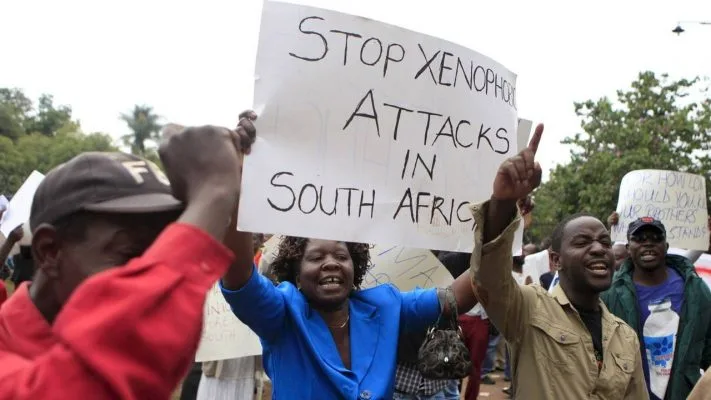
The recent outbreak of xenophobic violence in South Africa has sent shockwaves across the continent, with many left wondering how this could happen in a country that was once a beacon of hope for African unity. The violence, which has targeted African migrants, has been described as 'sickening' and 'unacceptable' by many, including the South African government. But despite the condemnation, the violence continues, with many migrants forced to flee their homes and seek shelter in makeshift camps. The situation is dire, with reports of looting, arson, and physical attacks on migrants. So, what's behind this surge in xenophobic violence, and why is it happening now?
The violence has been particularly intense in the townships of Johannesburg and Pretoria, where many migrants have settled in search of work and a better life. But it's not just the migrants who are suffering - many South Africans are also caught up in the violence, with some even losing their lives. The situation is complex, with many factors at play, including poverty, unemployment, and a sense of frustration among many South Africans. Yet, despite these challenges, the violence is not just a spontaneous outburst - it's also been fueled by political manipulation, with some politicians using migrants as a scapegoat for the country's problems.
The role of politics in the violence cannot be overstated. Some politicians have been accused of stirring up anti-migrant sentiment, using rhetoric that is divisive and inflammatory. This has created a toxic atmosphere, where migrants are seen as outsiders and a threat to South African jobs and way of life. But it's not just the politicians - many ordinary South Africans have also been caught up in the violence, with some even participating in attacks on migrants. It's a disturbing trend, and one that has left many wondering what's happening to the country's values of tolerance and acceptance.
The international community has been quick to condemn the violence, with many calling for calm and an end to the attacks. The African Union has issued a statement expressing its 'deep concern' over the violence, while the United Nations has called for 'immediate action' to protect migrants. But despite the international pressure, the violence continues, with many migrants forced to live in fear of their lives. And it's not just the migrants who are suffering - many South Africans are also caught up in the violence, with some even losing their lives. So, what's the way forward, and how can the violence be stopped?
Key Facts
- The violence has targeted African migrants, with many forced to flee their homes and seek shelter in makeshift camps.
- The violence has been particularly intense in the townships of Johannesburg and Pretoria.
- Many politicians have been accused of stirring up anti-migrant sentiment, using rhetoric that is divisive and inflammatory.
- The international community has condemned the violence, with many calling for calm and an end to the attacks.
- The African Union has issued a statement expressing its 'deep concern' over the violence.
- The United Nations has called for 'immediate action' to protect migrants.
- Many migrants have been injured, with some even killed in the violence.
- The violence has also affected many South Africans, with some even losing their lives.
History of Xenophobia in South Africa
The history of xenophobia in South Africa is complex and multifaceted, with many factors contributing to the current crisis. One of the main factors is the legacy of apartheid, which created a system of segregation and discrimination that still affects the country today. During apartheid, many Africans from other countries were forced to flee to South Africa, where they were often subjected to harsh treatment and exploitation. This created a sense of resentment among many South Africans, who felt that migrants were taking their jobs and competing for limited resources.
But the history of xenophobia in South Africa is not just about apartheid - it's also about the country's more recent past. In 2008, a wave of xenophobic violence swept across the country, leaving many migrants dead or injured. The violence was sparked by a combination of factors, including poverty, unemployment, and a sense of frustration among many South Africans. The government was criticized for its slow response to the violence, and many migrants were forced to flee their homes and seek shelter in makeshift camps.
The current crisis is also linked to the country's economic struggles, with many South Africans feeling that migrants are competing for limited jobs and resources. The unemployment rate in South Africa is high, with many young people struggling to find work. This has created a sense of frustration and desperation, with some turning to violence as a way to express their anger and frustration.
The Role of Politics
The role of politics in the violence cannot be overstated. Some politicians have been accused of stirring up anti-migrant sentiment, using rhetoric that is divisive and inflammatory. This has created a toxic atmosphere, where migrants are seen as outsiders and a threat to South African jobs and way of life. But it's not just the politicians - many ordinary South Africans have also been caught up in the violence, with some even participating in attacks on migrants.
The ruling African National Congress (ANC) has been criticized for its handling of the crisis, with some accusing the party of failing to condemn the violence strongly enough. The ANC has a long history of supporting migrant rights, but some of its leaders have been accused of using anti-migrant rhetoric to win votes. This has created a sense of confusion and uncertainty, with many migrants feeling that they are no longer welcome in the country.
But the opposition parties have also been accused of using the crisis for their own gain, with some using anti-migrant rhetoric to win votes. The Democratic Alliance (DA), the main opposition party, has been accused of using the crisis to attack the ANC and win support from conservative voters. This has created a sense of polarization, with many South Africans feeling that the crisis is being used as a political football.
The Human Cost
The human cost of the violence has been devastating, with many migrants forced to flee their homes and seek shelter in makeshift camps. The conditions in these camps are often harsh, with limited access to food, water, and sanitation. Many migrants have been injured, with some even killed in the violence. The psychological trauma has also been significant, with many migrants feeling that they are no longer safe in the country.
The violence has been 'sickening' and 'unacceptable', with many migrants forced to live in fear of their lives. As one migrant said, 'We are not animals, we are human beings. We deserve to be treated with dignity and respect.' The international community has condemned the violence, with many calling for calm and an end to the attacks.
The violence has also affected many South Africans, with some even losing their lives. The sense of frustration and desperation is palpable, with many feeling that the country is on the brink of chaos. The government has been criticized for its slow response to the violence, with many calling for more to be done to protect migrants and prevent further attacks.
The Way Forward
The way forward is unclear, but it's clear that something needs to be done to stop the violence and prevent further attacks. The government has announced plans to increase security and provide support to migrants, but many are skeptical that this will be enough. The international community has called for calm and an end to the violence, but it's unclear what concrete actions will be taken to achieve this.
The role of civil society is crucial, with many organizations working to provide support to migrants and promote tolerance and acceptance. The media also has a critical role to play, with many using their platforms to promote anti-migrant sentiment. The government needs to take a strong stance against the violence, and work to create a sense of inclusivity and acceptance.
The International Response
The international response to the crisis has been significant, with many countries and organizations condemning the violence and calling for calm. The African Union has issued a statement expressing its 'deep concern' over the violence, while the United Nations has called for 'immediate action' to protect migrants. The European Union has also condemned the violence, with many of its member states calling for an end to the attacks.
The response from other African countries has been mixed, with some condemning the violence and others remaining silent. The silence from some countries has been criticized, with many feeling that it's not enough to simply condemn the violence - concrete actions need to be taken to prevent further attacks. The international community needs to work together to promote tolerance and acceptance, and to support the government in its efforts to stop the violence and promote inclusivity.
Conclusion
The xenophobic violence in South Africa is a complex and multifaceted crisis, with many factors contributing to the current situation. The role of politics, history, and economics has all played a part, with many migrants feeling that they are no longer welcome in the country. The human cost has been devastating, with many migrants forced to flee their homes and seek shelter in makeshift camps. The international community has condemned the violence, but it's unclear what concrete actions will be taken to prevent further attacks. One thing is certain - something needs to be done to stop the violence and promote tolerance and acceptance.
The world is watching, and it's time for the South African government to take action.