

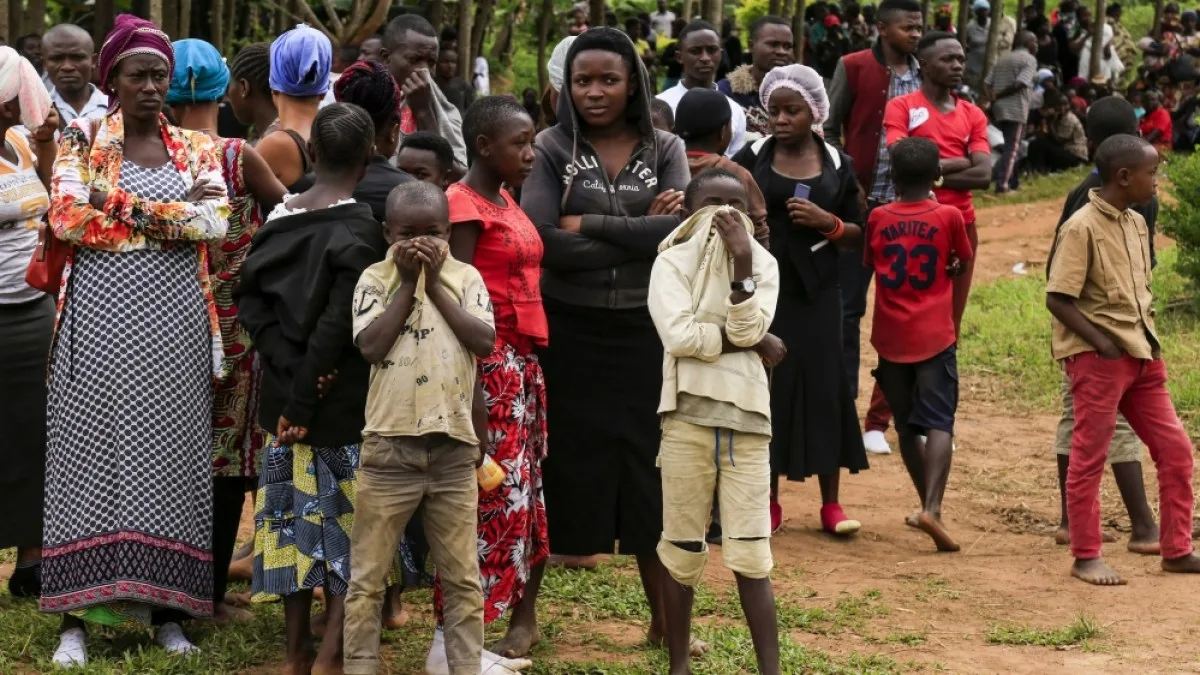
The Democratic Republic of Congo has been plagued by violence and instability for decades, but the recent attacks by an ISIL-linked group have brought a new level of brutality to the region. The group, known for its extremist ideology, has been targeting civilians, including women and children, with impunity. The attacks have been characterized by extensive brutality, with reports of torture, killings, and abductions.
The violence has been centered in the eastern part of the country, where the group has been able to operate with relative ease. The Congolese government has struggled to contain the violence, and the international community has been slow to respond. The lack of attention has allowed the group to continue its reign of terror, leaving civilians to bear the brunt of the violence. The situation is dire, with thousands of people displaced and many more living in fear of attack.

The ISIL-linked group is just one of many militant organizations operating in the region. The area has long been a hotbed of activity for extremist groups, and the Congolese government has struggled to maintain control. The group's ideology is rooted in a radical interpretation of Islam, and it has been able to recruit members from local communities. The group's leaders have been able to exploit longstanding grievances and tensions in the region to further their own goals.
The impact of the violence on civilians has been devastating. Many people have been forced to flee their homes, leaving behind everything they own. Others have been killed or injured in the attacks, and many more have been traumatized by what they have witnessed. The violence has also had a profound impact on the local economy, with many businesses forced to close and trade disrupted. The situation is a humanitarian crisis, and it requires a swift and decisive response from the international community.
Key Facts
- The attacks have been carried out by an ISIL-linked group
- The group has been targeting civilians, including women and children
- The violence has been centered in the eastern part of the country
- The Congolese government has struggled to contain the violence
- The international community has been slow to respond
- Thousands of people have been displaced
- Many more are living in fear of attack
- The group's ideology is rooted in a radical interpretation of Islam
- The group has been able to recruit members from local communities
History of the Conflict
The Democratic Republic of Congo has a long history of conflict and instability. The country has been plagued by violence and corruption, and the government has struggled to maintain control. The current conflict is just one of many that have ravaged the country over the years. The conflict has been fueled by a combination of factors, including poverty, inequality, and ethnic tensions. The government has been unable to address these underlying issues, and the conflict has continued to simmer.
The conflict has also been fueled by the presence of extremist groups. These groups have been able to exploit the instability and chaos in the region to further their own goals. The groups have been able to recruit members from local communities, and they have been able to carry out attacks with impunity. The government has been unable to contain the violence, and the international community has been slow to respond.
The history of the conflict is complex and multifaceted. It involves a range of actors, including the government, extremist groups, and local communities. The conflict has been fueled by a combination of factors, including poverty, inequality, and ethnic tensions. The government has been unable to address these underlying issues, and the conflict has continued to simmer.
The Humanitarian Crisis
The violence has had a profound impact on civilians. Many people have been forced to flee their homes, leaving behind everything they own. Others have been killed or injured in the attacks, and many more have been traumatized by what they have witnessed. The violence has also had a profound impact on the local economy, with many businesses forced to close and trade disrupted. The situation is a humanitarian crisis, and it requires a swift and decisive response from the international community.
The humanitarian crisis is not just about the numbers; it's about the people. It's about the families who have been torn apart, the children who have been orphaned, and the communities that have been destroyed. It's about the people who have been forced to live in fear, who have been denied their basic human rights, and who have been subjected to unimaginable suffering. The international community has a responsibility to act, to provide aid and support to those who need it most.
The humanitarian crisis is also a reminder of the importance of prevention. The violence and instability in the region are not inevitable; they are the result of a combination of factors, including poverty, inequality, and ethnic tensions. The government and the international community have a responsibility to address these underlying issues, to provide support and aid to those who need it most, and to work towards a lasting peace.
The Role of the International Community
The international community has been slow to respond to the crisis. The United Nations has been criticized for its inaction, and the international community has been accused of turning a blind eye to the violence. The lack of attention has allowed the group to continue its reign of terror, leaving civilians to bear the brunt of the violence. The international community has a responsibility to act, to provide aid and support to those who need it most, and to work towards a lasting peace.
The international community can play a critical role in resolving the conflict. It can provide aid and support to those who need it most, it can work with the government to address the underlying issues that have fueled the conflict, and it can provide a framework for a lasting peace. The international community can also play a critical role in holding those responsible for the violence accountable, and in ensuring that the rights of civilians are protected.
The international community has a range of tools at its disposal, including diplomatic pressure, economic sanctions, and military intervention. It can work with the government to build its capacity, to provide training and support to its security forces, and to help it to address the underlying issues that have fueled the conflict. The international community can also work with local communities, to provide aid and support, and to help them to rebuild and recover.
The Impact on Local Communities
The violence has had a profound impact on local communities. Many people have been forced to flee their homes, leaving behind everything they own. Others have been killed or injured in the attacks, and many more have been traumatized by what they have witnessed. The violence has also had a profound impact on the local economy, with many businesses forced to close and trade disrupted.
The impact on local communities is not just about the numbers; it's about the people. It's about the families who have been torn apart, the children who have been orphaned, and the communities that have been destroyed. It's about the people who have been forced to live in fear, who have been denied their basic human rights, and who have been subjected to unimaginable suffering. The international community has a responsibility to act, to provide aid and support to those who need it most.
The situation is desperate, and it requires a swift and decisive response from the international community. We cannot afford to turn a blind eye to the violence and instability in the region. We have a responsibility to act, to provide aid and support to those who need it most, and to work towards a lasting peace.
The Way Forward
The way forward is not easy, but it is clear. The international community must act, to provide aid and support to those who need it most, and to work towards a lasting peace. The government must also take responsibility, to address the underlying issues that have fueled the conflict, and to provide a framework for a lasting peace. The people of the Democratic Republic of Congo deserve nothing less.
The way forward will require a range of actions, including diplomatic pressure, economic sanctions, and military intervention. It will require the international community to work with the government, to build its capacity, and to provide training and support to its security forces. It will also require the international community to work with local communities, to provide aid and support, and to help them to rebuild and recover.
The way forward is not just about the short term; it's about the long term. It's about building a lasting peace, and creating a framework for stability and prosperity. It's about ensuring that the rights of civilians are protected, and that those responsible for the violence are held accountable. The international community has a responsibility to act, and to ensure that the people of the Democratic Republic of Congo are able to live in peace and security.
Conclusion
The situation in the Democratic Republic of Congo is dire, and it requires a swift and decisive response from the international community. The violence and instability in the region are not inevitable; they are the result of a combination of factors, including poverty, inequality, and ethnic tensions. The government and the international community have a responsibility to act, to provide aid and support to those who need it most, and to work towards a lasting peace. The people of the Democratic Republic of Congo deserve nothing less.
The conclusion is clear: the international community must act, and it must act now. The situation is desperate, and it requires a swift and decisive response. The people of the Democratic Republic of Congo are counting on us, and we cannot afford to fail them. We have a responsibility to act, to provide aid and support to those who need it most, and to work towards a lasting peace.
The conclusion is also a reminder of the importance of prevention. The violence and instability in the region are not inevitable; they are the result of a combination of factors, including poverty, inequality, and ethnic tensions. The government and the international community have a responsibility to address these underlying issues, to provide support and aid to those who need it most, and to work towards a lasting peace. The people of the Democratic Republic of Congo deserve nothing less.