

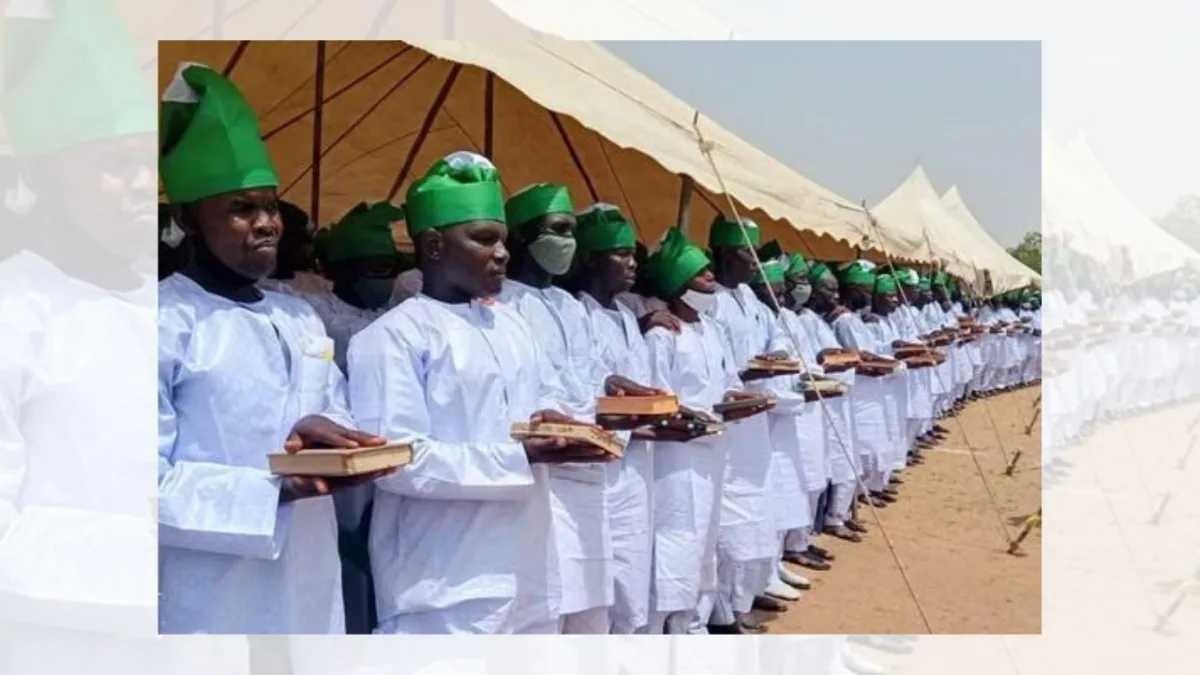
The reintegration of terrorists into society is a complex issue that Nigeria has been grappling with in recent years. It's a challenge that requires a delicate balance of strength and rehabilitation. On one hand, the government needs to demonstrate its ability to neutralize terrorist kingpins and prevent further attacks. On the other hand, it needs to provide support and rehabilitation programs for those who renounce terrorism and want to reintegrate into society. This is a difficult balance to strike, but it's essential for building a more stable and secure future for Nigeria.
The Nigerian government has been working to address this challenge through a combination of military action and rehabilitation programs. The military has been engaged in a longstanding campaign against terrorist groups such as Boko Haram, which has been responsible for thousands of deaths and displacements in the country. At the same time, the government has established programs to support the rehabilitation and reintegration of former terrorists. These programs provide education, job training, and counseling to help former terrorists reintegrate into society and become productive citizens.

One of the key challenges facing Nigeria's reintegration efforts is the need to address the root causes of terrorism. Many Nigerians are drawn to terrorist groups because of poverty, lack of education, and unemployment. To address these underlying issues, the government needs to invest in programs that promote economic development, education, and job creation. This will help to reduce the appeal of terrorist groups and provide alternative paths for young people who might otherwise be drawn to extremism.
The international community has also been playing a role in supporting Nigeria's reintegration efforts. Organizations such as the United Nations and the European Union have been providing funding and technical assistance to support the government's rehabilitation programs. These efforts have been helpful, but more needs to be done to address the scale and complexity of the challenge. Nigeria's reintegration efforts are a long-term process that will require sustained commitment and support from the government, the international community, and civil society.
Key Facts
- Nigeria has been grappling with terrorist attacks since 2009
- Boko Haram is the main terrorist group operating in Nigeria
- The group has been responsible for thousands of deaths and displacements
- The Nigerian government has established programs to support the rehabilitation and reintegration of former terrorists
- The international community has been providing funding and technical assistance to support these efforts
- Poverty, lack of education, and unemployment are key factors driving recruitment to terrorist groups
- The Nigerian government has been working to address these underlying issues through economic development, education, and job creation programs
Background
The challenge of reintegrating terrorists into society is not unique to Nigeria. Many countries around the world have been grappling with this issue, from the United States to Somalia. In each case, the key to success has been finding a balance between strength and rehabilitation. This means demonstrating a clear commitment to neutralizing terrorist threats, while also providing support and resources to help former terrorists reintegrate into society.
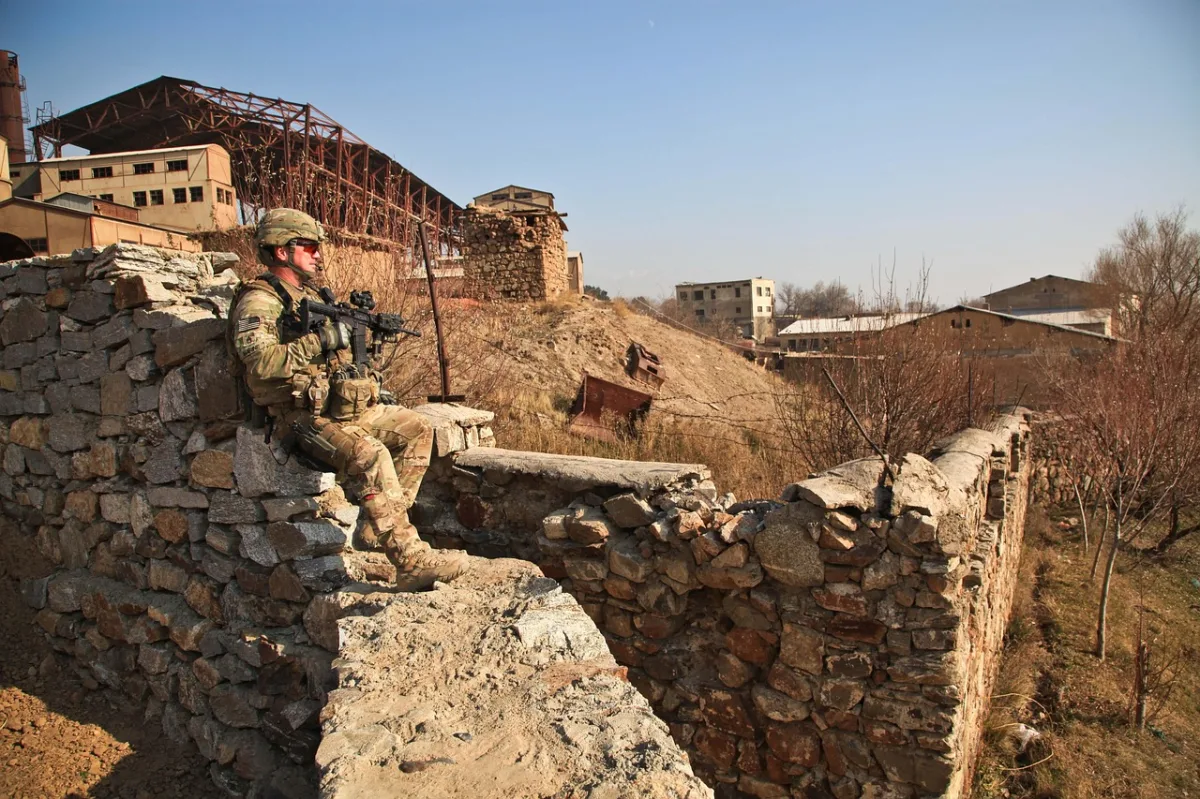
The Nigerian government has been working to learn from the experiences of other countries in addressing this challenge. For example, it has been studying the rehabilitation programs established by countries such as Saudi Arabia and Singapore. These programs have been successful in reducing the number of terrorist attacks and promoting the reintegration of former terrorists into society. The Nigerian government is also working to build partnerships with international organizations and civil society groups to support its reintegration efforts.
One of the key lessons that Nigeria can learn from other countries is the importance of community-based rehabilitation programs. These programs work with local communities to provide support and resources to former terrorists, helping them to reintegrate into society and become productive citizens. Community-based programs have been shown to be highly effective in reducing the risk of re-radicalization and promoting long-term stability and security.
Reintegration Programs
Nigeria's reintegration programs have been established to provide support and resources to former terrorists. These programs offer a range of services, including education, job training, and counseling. The goal is to help former terrorists develop the skills and knowledge they need to reintegrate into society and become productive citizens. The programs are also designed to promote social cohesion and reduce the risk of re-radicalization.
The Nigerian government has been working to expand its reintegration programs in recent years. This has included establishing new rehabilitation centers and providing additional funding and resources to support existing programs. The government has also been working to build partnerships with international organizations and civil society groups to support its reintegration efforts. These partnerships have been helpful in providing technical assistance and funding to support the government's programs.
The reintegration of terrorists into society is a complex and challenging process. It requires a delicate balance of strength and rehabilitation, as well as a deep understanding of the root causes of terrorism. As one expert noted, "The key to success is not just to neutralize terrorist threats, but to address the underlying issues that drive recruitment to these groups." This means investing in programs that promote economic development, education, and job creation, as well as providing support and resources to help former terrorists reintegrate into society.
Economic Development
Economic development is a critical factor in reducing the appeal of terrorist groups and promoting the reintegration of former terrorists into society. Many Nigerians are drawn to terrorist groups because of poverty, lack of education, and unemployment. To address these underlying issues, the government needs to invest in programs that promote economic development, job creation, and education. This can include initiatives such as vocational training, microfinance programs, and infrastructure development.
The Nigerian government has been working to promote economic development in recent years. This has included investing in initiatives such as agriculture, manufacturing, and technology. The government has also been working to improve the business environment and attract foreign investment. These efforts have been helpful, but more needs to be done to address the scale and complexity of the challenge. Nigeria's economic development is a long-term process that will require sustained commitment and support from the government, the international community, and civil society.
One of the key challenges facing Nigeria's economic development efforts is the need to address corruption and improve governance. Corruption is a major obstacle to economic development, as it undermines trust in government and discourages investment. To address this challenge, the Nigerian government needs to implement reforms that promote transparency and accountability, such as strengthening anti-corruption laws and improving judicial independence.
International Support
The international community has been playing a critical role in supporting Nigeria's reintegration efforts. Organizations such as the United Nations and the European Union have been providing funding and technical assistance to support the government's rehabilitation programs. These efforts have been helpful, but more needs to be done to address the scale and complexity of the challenge. Nigeria's reintegration efforts require sustained commitment and support from the international community, as well as a deep understanding of the root causes of terrorism.
The United States has also been providing support to Nigeria's reintegration efforts. This has included funding and technical assistance to support the government's rehabilitation programs, as well as training and capacity-building for Nigerian security forces. The US has also been working to build partnerships with Nigerian civil society groups and international organizations to support the government's reintegration efforts. These partnerships have been helpful in promoting social cohesion and reducing the risk of re-radicalization.
One of the key challenges facing international support for Nigeria's reintegration efforts is the need to coordinate efforts and avoid duplication. The international community needs to work together to provide a coordinated and effective response to the challenge of reintegration. This requires building partnerships and coordinating efforts, as well as providing sustained commitment and support over the long term.
Conclusion
The reintegration of terrorists into society is a complex and challenging process. It requires a delicate balance of strength and rehabilitation, as well as a deep understanding of the root causes of terrorism. Nigeria's reintegration efforts are a long-term process that will require sustained commitment and support from the government, the international community, and civil society. The government needs to continue to invest in programs that promote economic development, education, and job creation, as well as provide support and resources to help former terrorists reintegrate into society.
The international community also needs to continue to provide support to Nigeria's reintegration efforts. This includes funding and technical assistance to support the government's rehabilitation programs, as well as training and capacity-building for Nigerian security forces. The international community also needs to work together to coordinate efforts and avoid duplication, as well as provide sustained commitment and support over the long term.
In conclusion, Nigeria's reintegration efforts are a critical component of its broader counter-terrorism strategy. The government needs to continue to work to address the root causes of terrorism, while also providing support and resources to help former terrorists reintegrate into society. The international community also needs to continue to provide support to Nigeria's reintegration efforts, including funding and technical assistance to support the government's rehabilitation programs. With sustained commitment and support, Nigeria can build a more stable and secure future for its citizens and reduce the threat of terrorism.