


Nigeria's 36 states have long been seen as mere administrative units, waiting for federal allocations each month. But Katsina State is changing this narrative. It's leading a quiet revolution, one that prioritizes practical outcomes over theoretical frameworks. Dakuku Peterside recently shed light on this development, and it's an interesting case study. The state's approach is centered on delivering basic needs like food, roads, and safety to its citizens.
The context is crucial here. Nigeria is a country with immense potential, but it's also plagued by corruption, inequality, and inefficiency. The federal government has traditionally held significant power, with states relying heavily on allocations to function. But Katsina State is trying to break free from this mold. It's focusing on what matters most to its citizens: putting food on the table, building roads to farms, ensuring safety in communities, creating jobs for young people, and instilling hope in places long abandoned by policy.

This shift is significant, as citizens are increasingly judging governments by tangible results. It's no longer about theoretical frameworks or constitutional obligations; it's about what's happening on the ground. And Katsina State is making strides in this regard. The state's leadership is taking a proactive approach, working to address the needs of its citizens directly. This isn't just about allocating funds; it's about creating a system that works for everyone.
The implications are far-reaching. If Katsina State can make this model work, it could be a blueprint for other states to follow. Nigeria's federal system is designed to give states a significant amount of autonomy, but this autonomy is often hindered by reliance on federal allocations. By focusing on practical outcomes, Katsina State is showing that it's possible to create a more sustainable, more equitable system. It's a quiet revolution, but one that could have a profound impact on the country as a whole.
Key Facts
- Nigeria has 36 states, each with its own government and administrative structure.
- Katsina State is located in the northwestern part of the country.
- Dakuku Peterside is a Nigerian politician and writer who has highlighted Katsina State's development efforts.
- The state's approach focuses on delivering basic needs like food, roads, and safety to its citizens.
- Nigeria's federal government has traditionally held significant power, with states relying heavily on allocations to function.
The Context of Nigerian Development
Nigeria is a country with immense potential, but it's also faced significant development challenges. The country has a large and growing population, with over 200 million people. It's also rich in natural resources, including oil, gas, and minerals. But despite these advantages, Nigeria has struggled to create a sustainable, equitable development model. The country has been plagued by corruption, inequality, and inefficiency, with many citizens lacking access to basic needs like healthcare, education, and sanitation.
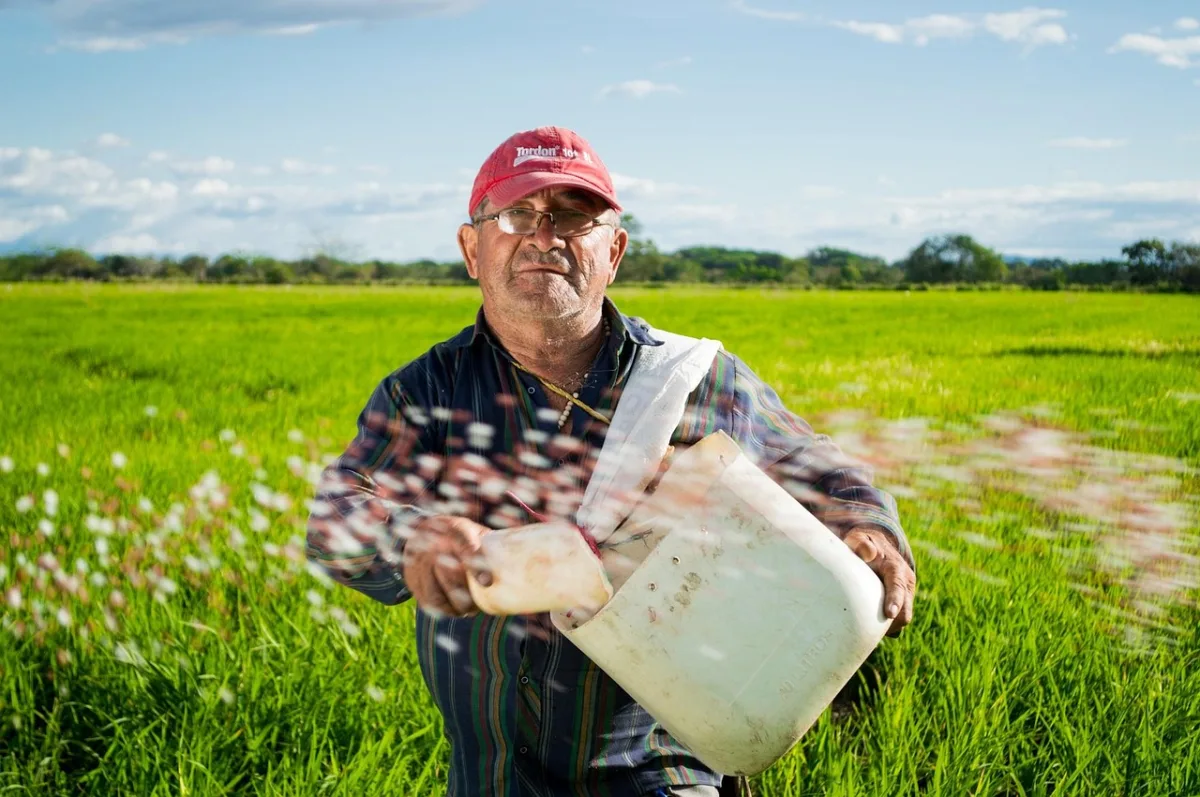
The federal government has traditionally played a significant role in development efforts, with states relying heavily on allocations to function. But this approach has its limitations. It can create a culture of dependence, where states wait for federal funds rather than taking proactive steps to address the needs of their citizens. Katsina State is trying to break free from this mold, focusing on practical outcomes and creating a more sustainable, more equitable system.
The state's approach is centered on delivering basic needs to its citizens. This includes putting food on the table, building roads to farms, ensuring safety in communities, creating jobs for young people, and instilling hope in places long abandoned by policy. It's a holistic approach, one that recognizes the interconnectedness of different development challenges. By addressing these challenges directly, Katsina State is creating a more sustainable, more equitable system.
The Role of Leadership
Leadership plays a crucial role in development efforts, and Katsina State is no exception. The state's leadership is taking a proactive approach, working to address the needs of its citizens directly. This isn't just about allocating funds; it's about creating a system that works for everyone. The state's leaders are working to build partnerships with different stakeholders, including businesses, civil society organizations, and community groups.
This approach is significant, as it recognizes the importance of collaboration and cooperation in development efforts. It's not just about government; it's about creating a collective effort to address the needs of citizens. By working together, Katsina State is creating a more sustainable, more equitable system. The state's leaders are also taking steps to ensure accountability and transparency, recognizing that these are essential for building trust and confidence in government.
"The most important thing is to create a system that works for everyone," says Dakuku Peterside. "This isn't just about government; it's about creating a collective effort to address the needs of citizens." This quote highlights the importance of collaboration and cooperation in development efforts. It's not just about government; it's about creating a system that works for everyone.
The Potential for Replication
Katsina State's approach has significant potential for replication, both within Nigeria and beyond. The state's focus on practical outcomes, its emphasis on collaboration and cooperation, and its commitment to accountability and transparency are all essential elements of a sustainable, equitable development model. Other states in Nigeria could learn from Katsina's example, creating their own models for development that prioritize the needs of their citizens.
The implications are far-reaching. If Katsina State can make this model work, it could be a blueprint for other states to follow. Nigeria's federal system is designed to give states a significant amount of autonomy, but this autonomy is often hindered by reliance on federal allocations. By focusing on practical outcomes, Katsina State is showing that it's possible to create a more sustainable, more equitable system. It's a quiet revolution, but one that could have a profound impact on the country as a whole.
The potential for replication extends beyond Nigeria's borders. Other countries in Africa and beyond could learn from Katsina State's example, creating their own models for development that prioritize the needs of their citizens. The state's approach is centered on delivering basic needs, building partnerships with different stakeholders, and ensuring accountability and transparency. These are essential elements of a sustainable, equitable development model, and they could be applied in a variety of contexts.
Challenges and Opportunities
Katsina State's development efforts are not without challenges. The state faces significant development challenges, including poverty, inequality, and lack of access to basic needs like healthcare and education. The state also faces security challenges, including the threat of terrorism and banditry. But despite these challenges, the state is making strides in development efforts.
The state's leadership is taking a proactive approach, working to address the needs of its citizens directly. This includes building partnerships with different stakeholders, ensuring accountability and transparency, and creating a system that works for everyone. The state is also taking steps to address security challenges, including the deployment of security personnel and the creation of community-based security initiatives.
The opportunities are significant. Katsina State is creating a more sustainable, more equitable system, one that prioritizes the needs of its citizens. The state's approach is centered on delivering basic needs, building partnerships with different stakeholders, and ensuring accountability and transparency. These are essential elements of a sustainable, equitable development model, and they could be applied in a variety of contexts. The state's development efforts have the potential to create a positive impact, not just in Katsina State, but in Nigeria and beyond.
Conclusion
Katsina State is leading a quiet revolution in development efforts, one that prioritizes practical outcomes over theoretical frameworks. The state's approach is centered on delivering basic needs to its citizens, building partnerships with different stakeholders, and ensuring accountability and transparency. This approach has significant potential for replication, both within Nigeria and beyond.
The implications are far-reaching. If Katsina State can make this model work, it could be a blueprint for other states to follow. Nigeria's federal system is designed to give states a significant amount of autonomy, but this autonomy is often hindered by reliance on federal allocations. By focusing on practical outcomes, Katsina State is showing that it's possible to create a more sustainable, more equitable system. It's a quiet revolution, but one that could have a profound impact on the country as a whole.
The future is uncertain, but one thing is clear: Katsina State is taking a significant step in the right direction. The state's development efforts have the potential to create a positive impact, not just in Katsina State, but in Nigeria and beyond. It's a story worth watching, and one that could have significant implications for development efforts in Africa and beyond.