

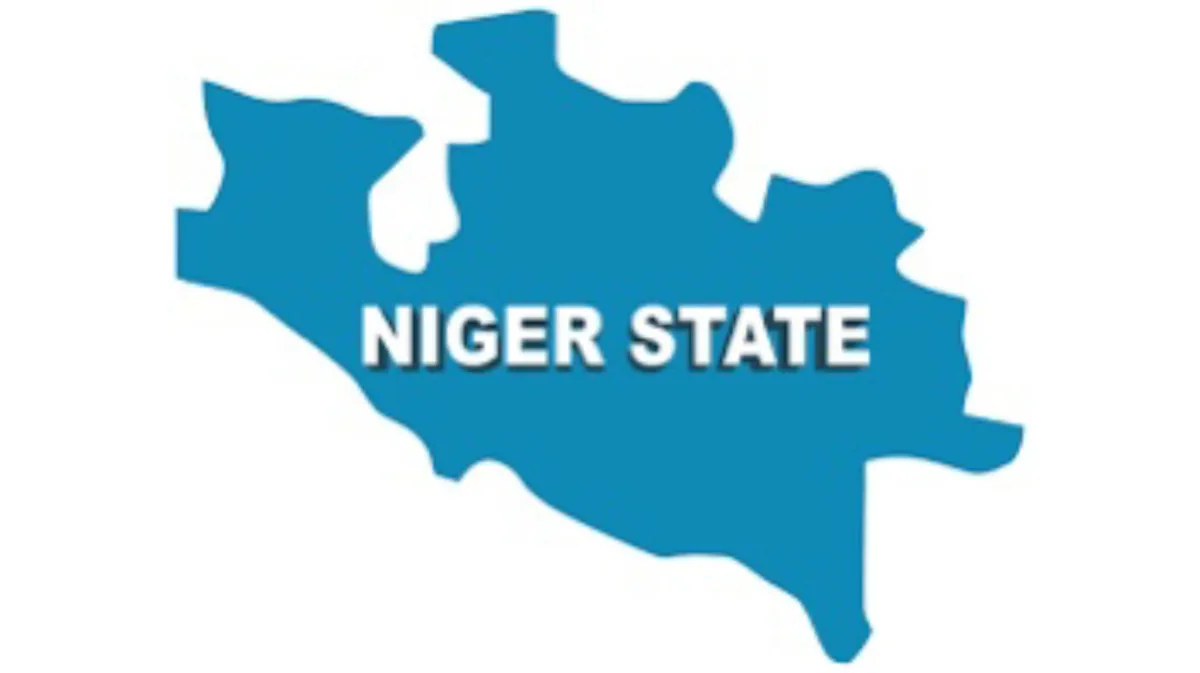
The attack on the police camp in Papiri, Niger, is a stark reminder of the ongoing threat of Boko Haram in the region. The terrorists, known for their brutal tactics, stormed the camp, causing chaos and destruction. This attack comes just months after the kidnapping of over 300 students and staff from St Mary's Catholic school in the same village. The kidnapping, which occurred in November 2025, was a devastating blow to the community, and the latest attack has only added to the sense of fear and uncertainty.
The village of Papiri, located in a rural area of Niger, has been a target for Boko Haram in the past. The group, which originated in Nigeria, has been active in the region for over a decade, carrying out attacks on schools, churches, and other civilian targets. Their actions have caused widespread displacement and suffering, with thousands of people forced to flee their homes in search of safety. The attack on the police camp is a clear indication that Boko Haram remains a significant threat to the region, and that their activities are far from over.
Boko Haram's motivations for attacking the police camp are unclear, but it's likely that the group is seeking to assert its dominance in the region. The police camp, which is responsible for maintaining law and order in the area, is a symbol of government authority, and attacking it allows Boko Haram to demonstrate its power. The group's actions are also likely to be a response to the government's efforts to crack down on their activities. In recent months, the government has launched a series of military operations aimed at rooting out Boko Haram, and the attack on the police camp may be a revenge attack.
The attack on the police camp in Papiri, Niger, has significant implications for the region. It highlights the ongoing threat of terrorism and the need for the government to take decisive action to protect its citizens. The attack also underscores the importance of international cooperation in combating terrorism. Boko Haram is a regional problem, and it requires a regional solution. The international community must work together to provide support to countries affected by Boko Haram, including Niger, Nigeria, and Cameroon.
Key Facts
- Boko Haram attacked a police camp in Papiri, Niger, on 2026-05-08.
- The attack occurred in the same village where over 300 students and staff were kidnapped in November 2025.
- Boko Haram is a terrorist group that originated in Nigeria and has been active in the region for over a decade.
- The group has carried out attacks on schools, churches, and other civilian targets.
- Thousands of people have been displaced and suffered as a result of Boko Haram's activities.
- The government has launched military operations aimed at rooting out Boko Haram.
- The international community must work together to provide support to countries affected by Boko Haram.
History of Boko Haram
Boko Haram, which translates to "Western education is forbidden" in the local Hausa language, was founded in 2002 by Mohammed Yusuf. The group's initial goal was to promote a strict form of Islam and to oppose Western-style education. However, over time, the group's ideology has evolved, and it has become increasingly violent. In 2009, Mohammed Yusuf was killed by Nigerian security forces, and the group has since been led by Abubakar Shekau. Under Shekau's leadership, Boko Haram has carried out numerous attacks on civilian targets, including schools, churches, and markets.
The history of Boko Haram is complex and multifaceted. The group's origins are rooted in the social and economic conditions of northern Nigeria, where many people feel marginalized and excluded from the country's wealth and power. Boko Haram has tapped into these feelings of discontent, using them to recruit new members and to justify its violent actions. The group's ideology is also influenced by global jihadist movements, and it has received support and guidance from other terrorist groups.
Boko Haram's activities have caused widespread suffering and displacement in the region. The group's attacks on schools have had a devastating impact on education, with thousands of children forced to drop out of school. The attacks have also had a significant impact on the economy, with trade and commerce disrupted by the violence. The international community has condemned Boko Haram's actions, and the group has been designated as a terrorist organization by several countries, including the United States.
Impact on the Region
The attack on the police camp in Papiri, Niger, has significant implications for the region. It highlights the ongoing threat of terrorism and the need for the government to take decisive action to protect its citizens. The attack also underscores the importance of international cooperation in combating terrorism. Boko Haram is a regional problem, and it requires a regional solution. The international community must work together to provide support to countries affected by Boko Haram, including Niger, Nigeria, and Cameroon.
The impact of Boko Haram's activities can be seen in the displacement of thousands of people. Many have been forced to flee their homes and seek refuge in other parts of the country or in neighboring countries. The displacement has put a significant strain on local resources, including food, water, and shelter. The attack on the police camp has also had a significant impact on the local economy, with trade and commerce disrupted by the violence.
The regional implications of the attack are far-reaching. The attack has highlighted the need for increased security cooperation between countries in the region. It has also underscored the importance of addressing the root causes of terrorism, including poverty, unemployment, and social exclusion. The international community must work together to provide support to countries affected by Boko Haram, including through the provision of humanitarian aid and military assistance.
Response to the Attack
The response to the attack on the police camp has been swift and decisive. The government has launched a military operation aimed at rooting out Boko Haram, and the international community has condemned the group's actions. The United Nations has called for increased support for countries affected by Boko Haram, including through the provision of humanitarian aid and military assistance.
The response to the attack has also highlighted the importance of community-led initiatives in combating terrorism. Local communities have come together to provide support to those affected by the attack, and to promote peace and reconciliation. The role of civil society organizations has been critical in this regard, with many organizations providing humanitarian aid and promoting community-led initiatives.
The attack on the police camp is a stark reminder of the ongoing threat of Boko Haram in the region. It highlights the need for the government to take decisive action to protect its citizens, and for the international community to provide support to countries affected by the group.
Future Prospects
The future prospects for the region are uncertain. The attack on the police camp has highlighted the ongoing threat of terrorism, and the need for the government to take decisive action to protect its citizens. The international community must work together to provide support to countries affected by Boko Haram, including through the provision of humanitarian aid and military assistance.
The future prospects for Boko Haram are also uncertain. The group's activities have been disrupted by military operations, and many of its leaders have been killed or captured. However, the group remains a significant threat, and its ideology continues to attract new recruits. The international community must remain vigilant and continue to work together to combat the threat of Boko Haram.
The future prospects for the region will depend on the ability of the government and the international community to address the root causes of terrorism. This includes addressing poverty, unemployment, and social exclusion, and promoting economic development and stability. It also includes promoting community-led initiatives and supporting civil society organizations in their efforts to promote peace and reconciliation.
International Cooperation
The attack on the police camp has highlighted the importance of international cooperation in combating terrorism. Boko Haram is a regional problem, and it requires a regional solution. The international community must work together to provide support to countries affected by Boko Haram, including Niger, Nigeria, and Cameroon.
The international community has responded to the attack by condemning Boko Haram's actions and calling for increased support for countries affected by the group. The United Nations has played a critical role in this regard, providing humanitarian aid and promoting international cooperation. The African Union has also played a key role, providing military assistance and promoting regional cooperation.
The importance of international cooperation cannot be overstated. Boko Haram is a transnational terrorist organization, and its activities have significant implications for regional and global security. The international community must work together to combat the threat of Boko Haram, and to promote peace and stability in the region. This includes providing humanitarian aid, military assistance, and promoting community-led initiatives to combat terrorism.
Conclusion
The attack on the police camp in Papiri, Niger, is a stark reminder of the ongoing threat of Boko Haram in the region. The attack highlights the need for the government to take decisive action to protect its citizens, and for the international community to provide support to countries affected by the group. The future prospects for the region are uncertain, but one thing is clear: the international community must work together to combat the threat of Boko Haram and to promote peace and stability in the region.