

Young Nigerians are worried. As political activities slowly pick up for the 2027 general elections, they say trust in democratic institutions is dropping, women are being pushed out of politics, and civic education is too weak.
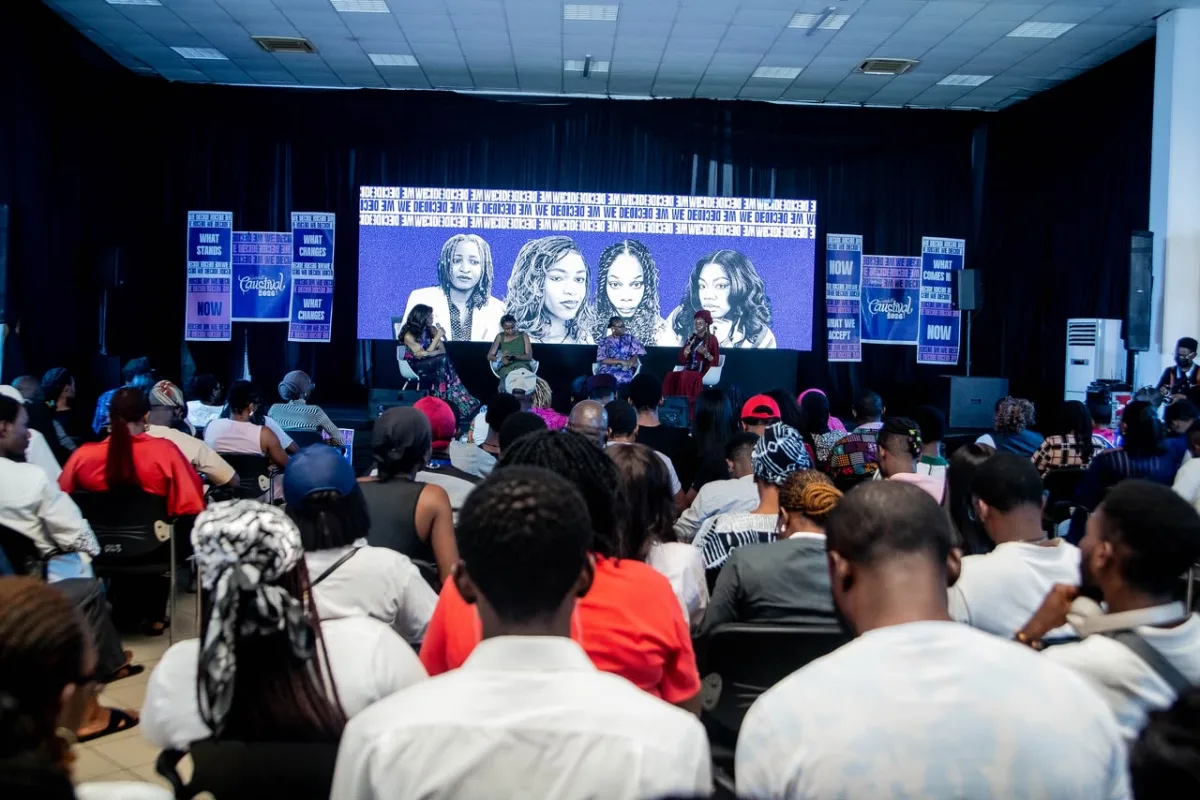
These concerns came out strongly at Caustival 2026, a social justice arts and film festival organised by Gatefield in Abuja on Saturday. The theme was "We Decide."
The festival brought together artists, filmmakers, activists, researchers, and ordinary citizens to talk about power, inclusion, and civic responsibility through films, exhibitions, performances, and conversations.
One of the most striking moments was a mock voting exercise that was deliberately disrupted. Organisers wanted participants to think about how easily public trust in elections can be broken and what that means for real democracy.
A big topic throughout the day was how hard it is for women to get into leadership positions and fully take part in public life. Speakers pointed to online abuse, political violence, and deep-seated cultural norms that keep women out.
Nabilah Usman, who produced the documentary "Double Minority," said digital violence often pushes women out of online spaces where they could build visibility, share their work, and campaign for themselves.
"Digital violence makes women leave the digital space, which means they can't be out there to talk about their work, campaign for themselves and make money," she said.
Gender justice activist Fakhriyyah Hashim added that online harassment and threats don't stay online. They affect women's confidence, mental health, and willingness to run for office.
"These physical threats, digital threats, they take a toll on women's mental health when they want to run for office," she said.
Hashim also talked about the relationship between citizens and elected officials. She argued that limited engagement between election cycles fuels public distrust and makes politics transactional.
Solape Sonuga, curator of Abuja Global Shapers, said you can't blame women's low political participation only on money. She said the real problem is culture.
"The overall barrier to women's participation in politics is not money. It is a cultural problem, rooted in gender disparity," she said.
Beyond representation, speakers stressed the need for stronger civic education and historical awareness. Cultural archivist Salma Ja'eh said understanding Nigeria's political history is key for citizens who want to engage meaningfully in governance.
She noted that when people don't feel connected to the political process, they try to get as much as they can from politicians because they only see them once every four years.
Caustival is an annual event focused on social justice. It brings together filmmakers, artists, journalists, activists, and citizens to talk about democracy, culture, power, and the stories that shape public life.
As preparations for 2027 slowly begin, the discussions at this year's festival show a growing appetite among young Nigerians for conversations that go beyond election contests and dig into the social, cultural, and institutional foundations of democracy.
These conversations come at a time when public dissatisfaction with governance is high. It's not unique to the current administration — previous governments under Muhammadu Buhari and Goodluck Jonathan also faced criticism over insecurity, economic management, and public services.
But debates have intensified since President Bola Tinubu took office in 2023 and removed the petrol subsidy. The government says the move is necessary to stabilise public finances and support long-term development.
Despite government assurances that reforms are laying the groundwork for economic recovery, many Nigerians are still struggling with inflation, high transport costs, and expensive food. These frustrations have shown up in public protests and ongoing calls for change.