

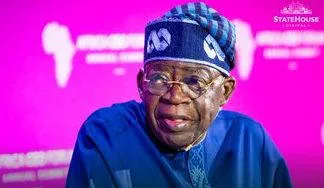
President Bola Tinubu marked his administration's third anniversary today with a promise to unlock new pathways for Nigerian youths across critical sectors. Many citizens remain focused on the daily struggle of inflation and fuel prices, but the president used his nationwide address to frame the youth population as an economic asset rather than a policy hurdle.
To our young people, I want you to know this nation believes in you. You are not a problem to be managed; you're the engine of Nigeria's future.
This specific pitch isn't just about jobs; it's about a structural pivot toward digital skills and technical education. The government is pushing ahead with student financing models and enterprise support systems designed to help young Nigerians compete on a global scale. It's aiming to shift the country from a consumption-based economy to a production-driven one, according to the State House.
The Landscape of Reform
For a 20-year-old developer in Yaba or a farmer in Benue, the reality of these reforms remains the main question. The administration is expanding access to venture capital and infrastructure to bridge the gap between ideas and actual manufacturing. This approach is part of an attempt to move away from the country's historic over-reliance on oil exports by pouring resources into the creative industries and mechanized agriculture.
The power sector, which has been a perennial bottleneck for businesses, is reportedly seeing renewed confidence from private investors. Officials point to recent improvements in grid stability and manufacturing output as proof that the government's long-term planning is finally gaining some traction. Additionally, the government says it's improving the power sector by attracting new investors and investing in infrastructure.
A Call for National Unity
President Tinubu also spent a good portion of his speech tackling the issue of division. He argued that sustainable progress depends on stability across all six geopolitical zones. He urged citizens to look beyond tribal or religious lines, suggesting that national renewal is a marathon that requires more than just one administration's term. The president essentially asked the public to choose patience over cynicism as the government attempts to stabilize the naira and bring down the cost of living.
To the international community, the message was one of continuity and open doors for business. He reiterated that democratic governance remains the bedrock of his economic agenda, signaling to foreign investors that Nigeria is a stable environment for capital. This is a crucial pivot to counter the negative narrative that has often discouraged large-scale foreign direct investment in the tech and energy sectors.
Measuring the Three-Year Mark
The presidency officially hit the three-year milestone as of today, May 29, 2026. The focus areas for current youth reforms include tech, agriculture, manufacturing, sports, and creative entrepreneurship. The administration is promoting student financing as a tool to increase access to higher education. Officials claim that private sector confidence is returning to the power and infrastructure industries, with improvements in grid stability and manufacturing output. The speech emphasized the importance of the Nigerian diaspora's contributions to national development efforts.
This anniversary serves as a reality check for the administration as the clock is already ticking toward the next general election cycle. Whether or not these programs translate into tangible relief for the average household will define the legacy of this administration. For now, the government is leaning heavily on the narrative of long-term investment over short-term fixes, emphasizing the need for patience as they attempt to stabilize the naira and bring down the cost of living.