

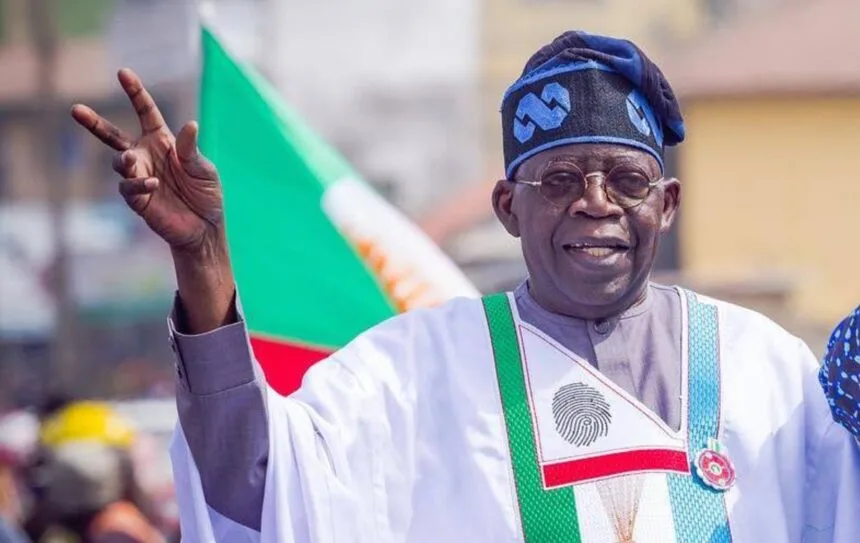
The sharpest fact is that the President Bola Ahmed Tinubu administration has achieved a major milestone in the oil and gas sector, attracting billions of dollars in new investments driven by streamlined contracting cycles, fiscal incentives for deepwater and gas developments, and removal of deduction powers previously exercised by NNPC Limited. The Executive Orders mandated direct remittance of all government petroleum entitlements into the Federation Account and introduced fiscal incentives for non-associated gas, midstream, and deepwater developments, unlocking billions of dollars in capital inflows while providing tax credits of up to 20 per cent for operators meeting cost-saving benchmarks.
The reforms, however, coincided with a major wave of divestments by International Oil Companies (IoCs) to indigenous operators, accelerating the exit of multinationals from onshore and shallow-water operations while deepening focus on offshore and gas investments. Indigenous firms such as Oando Plc and Renaissance Africa Energy emerged as dominant buyers, fundamentally altering Nigeria's upstream ownership structure. Industry experts argued that local operators may be better positioned to manage community relations and navigate the complexities of the Niger Delta environment, although concerns remain over financing capacity, environmental remediation, and operational efficiency.
The divestment trend has put the spotlight on regulatory capacity, as the Nigerian Upstream Petroleum Regulatory Commission balances investment attraction with environmental accountability and host community expectations. While the IoCs continue reducing exposure to onshore risks, they remain active in Nigeria's deepwater and gas sectors, suggesting that the nation's hydrocarbons industry is entering a new phase defined less by foreign operational dominance and more by partnerships between indigenous firms and global capital.
The President Tinubu administration has a singular privilege of birthing the first private sector investment in the refinery segment of the oil industry, with the operational debut of the 650,000-barrel-per-day Dangote Refinery in Lagos. The Federal Government has improved its commitment to supplying crude oil to domestic refineries, especially the Dangote Petroleum Refinery, in line with provisions of the Petroleum Industry Act. Consequently, improved domestic crude supply has enhanced the refinery's capacity to meet local demand and export refined petroleum products to other African countries.
Despite major upstream reforms, Nigeria's oil exploration and production performance remained weak, according to data from the Organisation of the Petroleum Exporting Countries (OPEC). Nigeria's exploration and drilling activities declined by 41.7 per cent in April 2026 following reduced upstream operations and investment activity. According to OPEC's May 2026 Monthly Oil Market Report, Nigeria's rig count – a key indicator of upstream oil and gas activity – fell to 12 in April 2026 from 17 in March 2026.
Oil theft, vandalism, and illegal refining activities continue to undermine production growth, increase operational costs, and discourage fresh upstream investments. Industry operators noted that although security interventions have reduced some losses, large-scale theft and sabotage persist across the Niger Delta. The persistence of illegal refining activities also continues to create severe environmental damage across oil-producing communities.
The Nigerian Upstream Petroleum Regulatory Commission (NUPRC) attributed the increase in gas production to increased upstream activities and improved field performance. However, gas flaring persists across several upstream producing assets, with over 203.9 billion standard cubic feet of gas flared in 2025. Industry stakeholders argued that the persistence of flaring highlights the contradiction within Nigeria's gas sector, where rising production and utilisation coexist with substantial waste of valuable gas resources.
Nigeria's petroleum marketing industry has undergone a massive structural transition since mid-2023, shifting from a heavily subsidised, state-controlled model to a deregulated, market-driven environment. The elimination of the Premium Motor Spirit (PMS) subsidy has improved supply availability and eliminated long fuel queues, but introduced extreme price volatility against consumers and severe margin pressures for marketers. Pump prices surged from around N195 per litre to well over N800 before the US/Israeli war with Iran pushed it to N1,330 presently, directly affecting consumer purchasing power.
The industry's reliance on 100% imported refined products has started changing with the rise in domestic refining, most notably with the operational debut of the 650,000-barrel-per-day Dangote Refinery in Lagos. The Federal Government has improved its commitment to supplying crude oil to domestic refineries, especially the Dangote Petroleum Refinery, in line with provisions of the Petroleum Industry Act.
The oil and gas industry still faces several deep-rooted structural problems, including oil theft, vandalism, inadequate infrastructure, weak exploration activity, and persistent gas flaring. Analysts said sustaining reforms, improving security, expanding infrastructure, and ensuring regulatory stability would be critical if Nigeria hopes to fully unlock the economic potential of its vast oil and gas resources.
Key Facts
- Nigeria attracted billions of dollars in new investments due to streamlined contracting cycles and fiscal incentives for deepwater and gas developments.
- Indigenous firms such as Oando Plc and Renaissance Africa Energy emerged as dominant buyers in the upstream sector.
- Nigeria's exploration and drilling activities declined by 41.7 per cent in April 2026.
- Over 203.9 billion standard cubic feet of gas were flared in 2025.
- Pump prices surged from around N195 per litre to well over N800 before the US/Israeli war with Iran pushed it to N1,330 presently.
- The Dangote Refinery in Lagos has enhanced the refinery's capacity to meet local demand and export refined petroleum products to other African countries.