

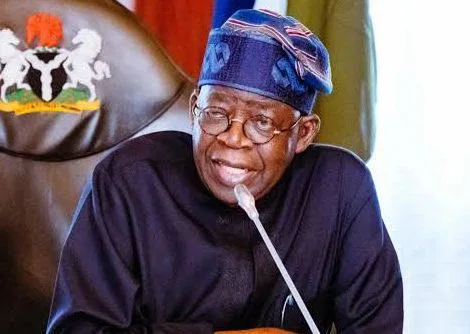
President Bola Tinubu isn't mincing words at the United Nations General Assembly. Speaking through his deputy, Vice President Kashim Shettima, at the 81st Session in New York, Tinubu declared that the world's governing structures, especially the UN Security Council, are desperately outdated. He argued that the power distribution established in 1945, right after World War II, simply can't represent the global realities of 2026. Africa, he insisted, can no longer be relegated to the sidelines, making demands based on the Ezulwini Consensus and the Sirte Declaration.
Specifically, Nigeria is calling for a total overhaul of the Security Council. This means Africa must get at least two permanent seats, complete with all the rights and responsibilities, including the crucial veto power. On top of that, Africa should have five non-permanent seats. "The authority to speak for humanity carries an obligation to represent it," Shettima stated, quoting the President, hitting the nail on the head about representation.
Tinubu also issued a stern warning to world leaders, urging them to put an immediate stop to global conflicts and reject the rising tide of nationalism. He made it clear that the current global order is hanging by a thread. He called for a united front to dismantle unilateral aggression and resurrect the original ideals of the UN Charter. This is a bold call for a renewed era of multilateralism, where countries actually work together.
The President stressed that no nation is an island when it comes to conflicts. He reminded leaders that distant wars have a ripple effect. He also stated that the UN has a duty to rebuild trust in institutions designed to resolve disputes and promote shared global interests. He pointed out that the very reason the UN was founded was to prevent the horrors of war. This means returning to dialogue, mutual respect, and collective responsibility.
Nigeria, he highlighted, is ready to lead by example. He cited its significant contributions to peacekeeping efforts across Africa. He mentioned specific interventions in Liberia, Sierra Leone, Darfur, Mali, and The Gambia. Nigeria deployed personnel and resources there when global solidarity was needed. This isn't just talk; it's about practical commitment to continental peace and security through bodies like ECOWAS and the African Union.
It also involves partnerships in the Gulf of Guinea focusing on mediation, democratic governance, counter-terrorism, and maritime security.
President Tinubu connected Nigeria's foreign policy aspirations directly to its domestic economic reforms. He explained that the nation is working towards its sustainable development goals through disciplined economic management, strengthening institutions, encouraging private sector growth, and making strategic public investments. The message is clear: Nigeria's progress is tied to Africa's advancement and a global push for peace, fairness, and prosperity.
He concluded by emphasizing that internal achievements are hollow if external threats are ignored. Geography, he warned, offers no immunity from the consequences of a world torn apart by conflict. Trust in government, according to Tinubu, is built by improving people's lives. Leaders must confront security and climate challenges head-on instead of hiding behind imaginary borders.