

The single sharpest fact in one or two punchy sentences. Who did what, where, when, and why it matters. Not a summary of everything — the one thing that makes someone stop scrolling.
San Jose National High School in Tacloban City has resumed classes two weeks after a fatal shooting that killed three students and left 20 others injured, but many students and teachers are still dealing with the trauma. The school reopened on July 6 with walls repainted and performers entertaining students in a bid to help children recover from the tragedy. But so far, only students from Grades 7 and 8 have had in-person classes, while Grades 9 and 10 implemented blended learning amid ongoing repairs to their classrooms.
Education Undersecretary Malcolm Garma said classrooms for Grades 9 and 10 were damaged after the shooting, which was carried out by two minors, aged 14 and 15. According to Garma, there were 235 out of 336 Grade 7 students and 237 out of 369 Grade 8 students who have attended in-person classes. Those not attending the face-to-face classes will be given learning modules and opportunities for online activities.
Lower attendance is expected as some students continue to recover from the trauma, while others opt for a school transfer. “The resumption of classes would somehow establish normalcy in the school and provide that level of confidence also to our parents and to the community that the school is safe,” Garma told senators in a mix of English and Filipino. “And at the same time, it is really to remove the trauma, the psychosocial and emotional trauma that our teachers, our learners have experienced because of this incident,” he added.
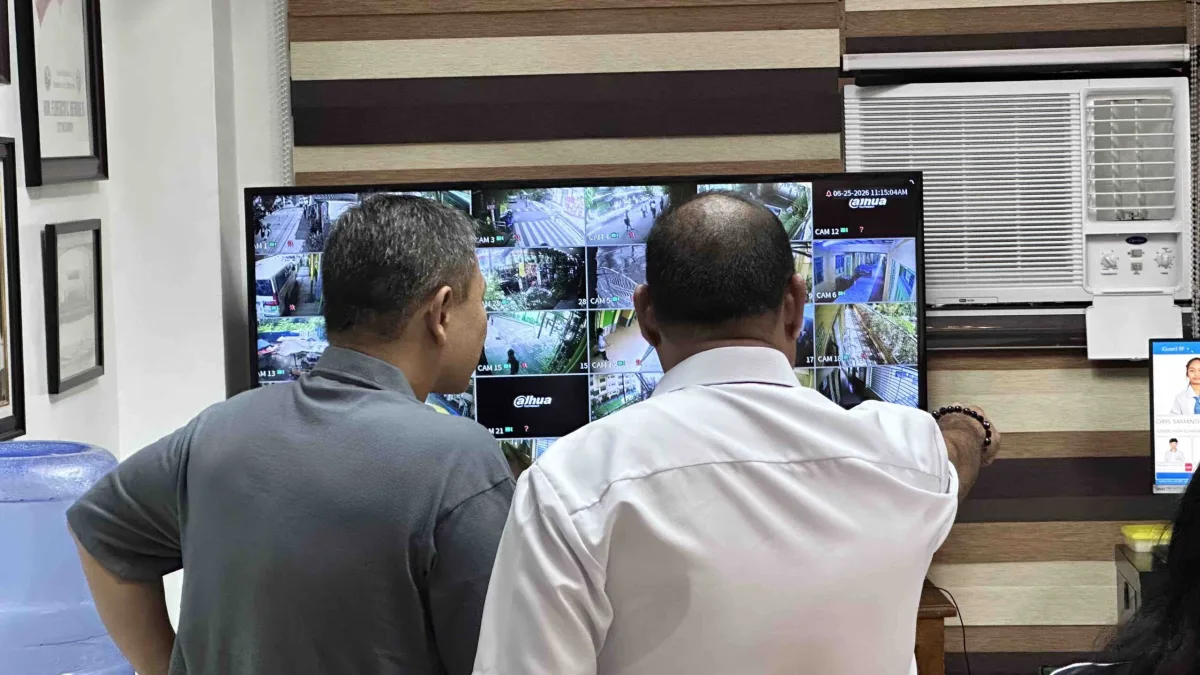
Garma said authorities improved the school’s security by providing more metal detectors and installing a walkthrough detector. There is also ongoing construction of a higher perimeter fence. The two minors tagged in the incident are under the custody of the Regional Rehabilitation Center for the Youth in Tanauan, Leyte.
Days after the June 22 shooting, the DepEd provided initial psychological first aid to learners, teachers, and parents in a span of three days. Garma said that out of 603 students who already received psychological first aid, 38 were assessed to be “high-risk” for a mental health crisis.
Julienne Rose Peñaranda-Saballa, a registered guidance counselor of the DepEd Tacloban City Schools Division, said they continue to follow up and monitor both high-risk students and teachers. Saballa led the development of the initial psychological first aid response. She said high-risk individuals are those who directly experienced the shooting or were deeply traumatized by it.
“These high-risk individuals must continue with their psychiatric consultations and attend psychosocial activities that would help them heal and move forward,” Saballa said. “If not, it may affect them long-term, academically, personally, socially with the interactions with other people and the society, and in their perception of the world,” she added.
A total of 235 out of 336 Grade 7 students attended in-person classes, while 237 out of 369 Grade 8 students followed suit. For Grades 9 and 10, blended learning was implemented amid ongoing repairs to their classrooms. The school has a long road to recovery ahead, but for now, classes are slowly getting back to normal.